Activate Green Innovation

As a leading semiconductor distributor, WT is committed to providing cutting-edge products and exceptional solutions to tens of thousands of customers and end-users worldwide, overcoming various challenges. However, facing the increasingly severe climate change, WT is committed to taking responsibility, actively responding to climate risks, and seizing the opportunities that arise. We will continue to deepen our expertise in green design, develop energy-saving products and solutions, optimize energy efficiency, and reduce the carbon footprint of our customers and end-users. At the same time, we will work with supply chain partners to respond to various advocacy initiatives and jointly implement the four major green design goals of energy conservation, waste reduction, resilience, and efficiency.


WT
Platform Leverage  Solution Provider Technical Service
⎯ Addressing climate risks and opportunities

• Extreme weather event
• Climate regulatory and policy
• Market demand change
• Technological innovation and iteration
• Supply chain disruption

⎯ Enhancing green design

• Energy conservation
• Waste reduction
• Resilience
• Efficiency

⎯ Strengthening social resilience

• Strengthen supply chain resilience
• Design resilience applications
• Society safer and resilience

⎯ Participating in advocacy initiatives

• Green design advocacy initiative
• Collaborates with suppliers and customer
• Industry-academia collaborations

▲ WT is committed to advancing clean technology and green design, guided by three core values and four action strategies


Addressing climate risks and opportunities

WT has identified five main climate risk factors:

(1) Extreme weather event risk: Property damage or transportation disruptions caused by natural disasters such as typhoons, hurricanes, floods, droughts, high temperatures, and heavy snow.

(2) Climate regulatory and policy change risk: Laws or standards introduced by countries or regions to reduce carbon emissions and waste, which may affect production costs and require products to meet stricter standards after changes.

(3) Market demand change risk: Increased demand for energy-efficient and high-performance products due to rising environmental awareness, leading to the inability to continue selling or using existing products.

(4) Technological innovation and iteration risk: Economic and equipment investment in developing new technologies and components, requiring significant professional manpower and resources for research and development.

(5) Supply chain disruption risk: Production or supply chain disruptions caused by climate change, such as resource scarcity affecting production or transportation, electricity, or water resources, leading to disruptions throughout the supply chain.

Climate Risk Risk Description Climate Opportunity
Extreme Weather Events Frequent typhoons, floods, high temperatures, heavy snow, etc. Emerging markets for environmental monitoring and climate early warning systems, and active participation in green initiatives.
Changes in Climate Regulations and Policies Regulations or standards introduced by various countries or regions to reduce carbon emissions and waste. Promoting environmentally friendly electronic components and developing green product markets
Changes in Market Demand Increased demand for energy-efficient and high-performance products due to rising environmental awareness; decreased demand for traditional energy or high-energy consumption applications. WT is increasing and accelerating R&D and investment in energy efficiency issues for high-energy consumption industries, such as power supplies, motors, and artificial intelligence.
Technological Innovation and Iteration Risk Continuous and substantial R&D investment required due to the ongoing development of new technologies and components driven by climate change. In green technology innovation, WT’ long-term development and promotion of green energy and energy storage technologies have led to industry chain adoption.
Supply Chain Disruption Risk of production or supply chain disruptions (e.g., production, design, assembly, transportation) caused by climate events. Close cooperation with customers and suppliers to enhance supply chain resilience.

In addition to identifying the aforementioned risks, WT actively invests resources to address climate opportunities. In green technology innovation, WT has facilitated the adoption and implementation of technologies such as green energy and energy storage within the industry chain through long-term development and promotion. Regarding the issue of improving energy efficiency, WT continues to accelerate research and development and increase investment in research related to high-energy-consuming industries such as power supplies, motors, and artificial intelligence. In emerging markets such as environmental monitoring and climate early warning, or in response to supply chain challenges posed by extreme climates, we also maintain close collaboration with customers and suppliers to enhance supply chain resilience. We continuously and actively participate in green initiatives, promote environmentally friendly electronic components, and develop the green product market, enabling WT to make significant contributions.


Enhancing green design

Green design is not only a key to addressing climate change, but also a significant opportunity for industrial development. As a leading semiconductor distributor and a key player in the electronics industry, WT actively invests in technological innovation, market expansion, and application deepening of green design, while integrating clean technology and green thinking into every design. From the selection of green materials for semiconductor components and supply chain management to the sustainable architecture, component durability, and energy-efficient applications of product design, we are committed to extending product lifecycles. With the responsibility of a semiconductor distributor, WT contributes to the electronics industry’s response to climate change through green innovation.

Green Design Target WT offers green design solutions
Energy conservation Technology solutions across multiple sectors such as power measurement, energy-efficient motors, AI PCs, home and industrial control, and communication systems to realize our carbon reduction and decarbonization objectives


· High-Precision eMeter
· MCU based ultra low power HMI
· AI PC low-power power management
· BLDC in energy-saving home appliances
· 5G base station RF front-end

Waste reduction Reducing carbon footprint or fossil fuel dependence, extending product lifecycles, promoting the circular economy, and recycling waste, including batteries


· Matter: Smart Home wireless communication
· Renewable Energy Solutions
· Electric Vehicle AC cord set solution
· Battery: Aging, Measurement, and Estimation Technologies research
· Module and common footprint design for multiple applications

Resilience Resilience means maintaining social and economic stability in the face of extreme weather events and reliable power supply


· Modular energy storage system(ESS)
· Motor Controller with ML-Based Fault Prediction
· Battery Backup Unit (BBU) Solutions
· Bi-directional Energy Supply and Recycle system

Efficiency High-performance solutions for high-energy-consuming applications


· AI Servers (CPU/GPU/TPU/ASIC) core power solution
· Wide Bandgap GaN in High-Power, High-Efficiency Power Supply
· High-Power Density GaN RF Modules
· On-Board Charger (OBC) Modules
· Inverter Solution

WT continues to collaborate with suppliers, prioritizing products with green design concepts (such as those assessed to reduce resource usage or chemical substance content by 10% or more).

We focus on green applications and clean technology (such as clean transportation in electric vehicles or autonomous driving systems), and continuously improve energy efficiency in data centers, communication systems, public facilities, and other areas. In addition to continuously introducing more energy-efficient solutions, we also propose designs that benefit the environment and human health and safety in diverse fields such as industrial automation, infrastructure, and medical and healthcare.

Serving tens of thousands of customers globally, WT analyzes different regions, markets, and applications, not only strengthening economic influence, but also collaborating closely with suppliers on green design and clean technology-related applications, promoting industry sustainability and green innovation.


Strengthening social resilience

WT provides high-quality products from leading suppliers to serve tens of thousands of manufacturers worldwide, and continuously builds strategic partnerships with leading vendors and customers. We not only strengthen supply chain services and improve inventory management to address supply chain disruptions caused by extreme weather, but also actively increase R&D investment in green design. In these green designs, we act as a bridge for multi-party collaboration between industry, academia, and research, and propose excellent solutions. This not only enhances the technological development of our customers but also cultivates talent, improves industrial innovation capabilities, and accelerates green transformation. These actions not only strengthen the resilience of the supply chain and industry but also make society safer and more progressive.

To design resilience applications, extreme weather may cause disruptions in electricity, communication, transportation, and other areas. WT, in its research, development, and promotion, has emphasized the importance of resilience in various applications. For example, we have invested in the research and development of technologies such as renewable energy and grid-tied systems in power supply systems, battery safety and power management in energy storage systems, and the design of solutions for early warning, protection, and backup in response to power outages or quality degradation in different application areas.

In strengthening system resilience, we emphasize redundant design and flexible architecture, enhance the ability to respond to faults or risks, and continuously improve scalability. WT uses a modular architecture to make design redundancy and maintenance simpler and easier, and can shorten the replacement or response time in the event of a fault or risk. Modular design also has many advantages when functional upgrades are required, which not only ensures that the system is not interrupted due to upgrades, but also disperses development resources, reduces vulnerability risks, and eliminates safety hazards, further strengthening application resilience.

Energy Storage System (ESS)


Composed of batteries, battery management systems (BMS), energy management systems (EMS), power conversion systems (PCS), and other auxiliary facilities. Batteries are the core of the entire system, currently dominated by lithium batteries (such as LFP or NMC). The BMS is responsible for monitoring the voltage, temperature, and current of each battery cell, and balancing charging and discharging in real time to maintain the battery within a safe range. The EMS is a higher-level coordination management layer that can integrate load data, renewable energy generation, and grid conditions to dynamically allocate battery charging and discharging strategies. The PCS performs energy conversion between direct current and alternating current, such as inverters that convert the direct current of the battery into alternating current that can be used by buildings or the grid.

WT integrates products provided by multiple suppliers to propose modular solutions for large-scale energy storage systems for commercial and industrial use: the system uses several battery modules installed in racks or containers, and is assisted by fire protection / detection/ suppression/ control mechanisms, and then connected in series or parallel to form a larger capacity. Functional safety-rated microcontrollers are used to meet the needs of safety and microgrid integration. System on Chip (SoC) is used as the core of the system to improve the communication and processing performance of the energy management system.

In the promotion of modularization, WT modularizes battery packs and battery management systems (BMS), which can be flexibly stacked and configured according to applications. In addition, modular solutions are available for power conversion equipment, microgrid architecture, power meters, fire safety, and other protection and monitoring functions.


Participating in advocacy initiatives

WT collaborates closely with suppliers and customers, actively participating in green product and design initiatives, and prioritizing them in new product and application development.

In the semiconductor and electronic design industry chain, WT provided three core values:

Platform Integration: Serving as a bridge between suppliers and customers, facilitating collaboration

Technical Services: Providing technical services and promoting low-power, high-performance products and applications

Solution provider: Investing resources in researching clean technology-related products and applications, and providing solutions

In addition, WT actively participates in sustainable development seminars, engaging various industries (including transportation, rawmaterials, academic research, and petrochemicals). These conferences involve sharing the electronics industry’s net-zero goals and achievements, and exploring topics such as green energy, climate risks and opportunities, and carbon capture and storage. Through these actions, WT is committed to promoting the sustainable development of the industry.

Accelerating industry’s net-zero emissions through industry-academia collaboration

WT is dedicated to being a strategic partner to suppliers and customers. We have continuously invested resources to provide diverse technical services, assisting customers in quickly developing solutions and becoming a technical platform that delivers high-quality products and optimal solutions across various domains.

In pursuit of net-zero carbon emissions, industry-academia collaboration is crucial. WT actively promotes such collaboration through the following methods:

Information Sharing: Sharing real-world data from production, operations, and field applications, along with relevant data, to provide academic institutions with references for green design related to net-zero carbon emissions.

Technical Cooperation: Leveraging the academic community’s expertise and research resources in areas such as carbon capture, renewable energy, and carbon reduction technologies to accelerate technological innovation and research and development.

Talent Development and Resource Integration: Collaborating with suppliers and educational institutions to propose joint research projects, establish industry-academia programs, and participate in results presentations and exchanges, integrating the resources and strengths of academia and industry to accelerate the research, development, and application of carbon reduction technologies, and cultivate professional talent.

Through these efforts, WT not only promotes the sustainable development of the industry but also accelerates the realization of critical net-zero goals.

In 2024, facilitated an exchange visit to WT for international students from National Chengchi University, supporting international talent career development and promoting cross-border industry-academia collaboration.

WT supports the National Taipei University of Technology’s commitment to practical engineering education, translating theoretical knowledge into practical operations and vehicle validation techniques, and deepening students’ understanding of technology and professional skills. In 2024, WT sponsored the National Taipei University of Technology Formula Racing Team to participate in the 2024 Student Formula Competition.
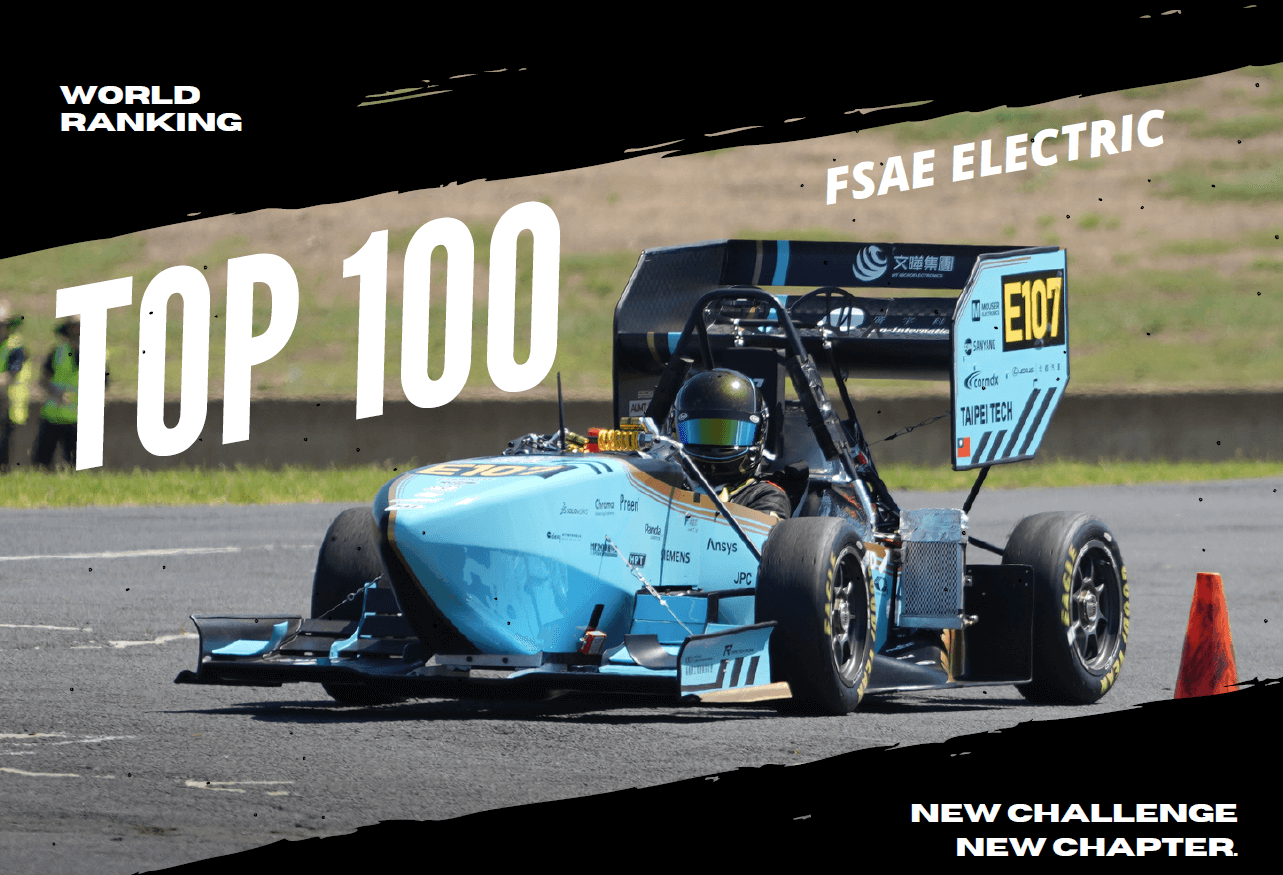
The Taiwan Student Formula League provides a platform for students to design and manufacture “Student Formula Cars” independently, and encourages exchange and learning among schools during the competition. Student Formula (FSAE) is not just a racing competition, but a comprehensive engineering and technology contest. The competition combines various fields: mechanics, materials, electricity, control, analysis, and business content such as marketing and business reports, all to train students to manage and build a small commercial-scale engineering team. The competition content is mainly divided into three parts: “design document review”, “on-site vehicle inspection”, and “track dynamic competition”. In 2024, the National Taipei University of Technology team achieved third place, and was the only team to stand on the podium for three consecutive years. In December 2024, the National Taipei University of Technology racing team also went to Melbourne, Australia to participate in the Formula SAE Australasia competition and successfully completed all inspections. To ensure smooth passage through static inspections, the team focused on preparing complete documents and familiarizing themselves with the rules and vehicle inspection procedures. As a result, they won the Best Vehicle Inspection Award from the competition judges and achieved an impressive 13th place overall. The National Taipei University of Technology Formula Racing Team’s world ranking has also moved up to 99th place following the success of the Australian competition.

Improve the past, change the future

As a leading semiconductor distributor, WT collaborates with hundreds of suppliers to serve tens of thousands of customers worldwide, jointly driving product and application innovation, improving lives, and shaping the multi-faceted future of the semiconductor industry in areas such as environment, society, education, economy, technology, and safety.

Review and Collaboration:

-Continuously collaborate with suppliers and customers to expand energy consumption and carbon footprint inventories
-Ensure suppliers provide green products that comply with regulations
-Collaborate with customers to reduce waste and adopt energy-saving technologies

Short-Term Plan:

-Actively distribute and promote green products
-Invest in research and development of forward-looking sustainable green solutions to drive industry green transformation

Mid-Term Plan:

-Continuously participate in green initiatives, implementing green design concepts in various applications
-Pursue environmentally friendly designs, providing low-power, high-performance chips and solutions

Long-Term Plan:

-Continuously disclose sustainable supply chain audit results and respond to carbon footprint inventory requests
-Collaborate with customers on inventory management to extend product lifecycles
-Collaborate with suppliers to strengthen global logistics and reuse plans, achieving waste reduction and a resilient future


High energy use, high efficiency needed

Artificial intelligence (AI) has experienced continuous development in recent years. Whether it’s machine learning, deep learning, or generative AI, coupled with the increasing accessibility and easy to use. AI’s integration and fusion across various industries has been promoted. For instance, AI is utilized to assist medical procedures and new drug development in health and preventive medicine. In financial management and economic activities, AI enhances customer experience and strengthens risk management. In manufacturing and retail, AI automates production and improves quality management through intelligent solutions. In personal transportation and logistics management, AI assistance makes transportation safer and more efficient.

All these conveniences and changes brought about by AI originate from semiconductor components. However, for AI to deliver accurate and effective functions, it requires training and inference capabilities. Comparing the power consumption differences between AI servers and traditional servers, traditional servers typically consume between 300 to 1500 watts, while the addition of AI accelerator GPUs or TPUs significantly increases power consumption to over 2000 watts.

WT recognizes the highly promising and forward-looking of AI. However, technological development must incorporate environmental sustainability as the foundation of all designs. Therefore, we have collaborated with suppliers and customers to propose three solutions to address the high energy consumption of AI servers:

1.We have designed a 3000-watt power supply for servers based on advanced control technologies and high-efficiency electronic components. 2.In collaboration with computing units such as CPUs/GPUs/TPUs/ASICs, we provide core power solutions with high energy efficiency to meet their computational demands. 3.In partnership with thermal management and cooling technology companies, we provide microcontrollers with communication and management functions to efficiently reduce system power consumption by dissipating heat generated by high-performance hardware.

 
Continuous increase in R&D Investment and clean technology (low-carbon products) revenue contribution

In 2024, research and development investment reached NT$851 million. WT commits to continuously investing in clean technology R&D resources, aiming to increase R&D expenditure to NT$1 billion by 2030. WT focuses on the development and advancement of areas such as green energy, energy storage, and efficiency. Clean technology-related (low-carbon products) revenue reached 14.07% of total revenue,increased 2.64 percentage point compared with previous year. WT is targeting to achieve the goal of 20% clean technology-related revenue contribution by 2030.

An increase in Research and development (R&D) spending in 2024 for the fifth consecutive year (in NTD million)

 
R&D spending
 
R&D spending to revenue ratio


386
 
609
 
655
 
755
 
851
 
0.11%
 
0.14%
 
0.11%
 
0.13%
 
0.09%
2020
2021
2022
2023
2024

Investing in solar plant developer and serving as a representative director

WT invested NTD 12.5 million in Daypower Co., Ltd. in April 2023. WT owns 10% shares of Daypower and serves as a representative director. WT participated in cash capital increase of Daypower and invested NTD 12.5 million in August 2024. WT maintains 10% shares of Daypower and accumulated investment amount reaches NTD 25 million. Daypower is a solar plant developer and completed 3.24 MW installation in 2024. Self-held solar plant reached 3.00 MW installation accumulatively in 2024, which generated 3.75 million kwh in 2024, equaling to 1,853 ton CO2 reduction.


Continued growth in 2024! 61% increase in the Group's operating revenue

WT's consolidated net operating revenue was NT$959.4 billion in 2024, an increase of NT$364.9 billion or by 61%, from 2023. The net profit was NT$9.2 billion in 2024 and EPS was about NT$8.13 based on weighted average outstanding shares.

Operating Revenue and Profit, 2020-2024 (in NTD million)

  Operating revenue
  Net profit for the year


353,152
 

447,896
 

571,197
 

594,519
 

959,432


3,795
 
7,855
 
7,600
 
3,978
 
9,206

2020
2021
2022
2023
2024

Generative AI (GenAI) to accelerate long-term demand growth in the semiconductor market

In 2024, the global semiconductor industry continues to face headwinds from a weak macroeconomic environment, high inflation, and elevated interest rates. Despite these challenges, WT has demonstrated strong resilience by capitalizing on the surge in semiconductor demand driven by GenAI, leading to significant revenue growth. Looking ahead, amid global economic uncertainties due to geopolitical tensions, the rapid advancement of GenAI technologies, and ongoing transformations in the electronics supply chain, WT will leverage its integration with Future Electronics to further strengthen its global footprint in the electronic components market. With the goal of continuously expanding market share and improving profitability, WT will also enhance operational management systems and risk controls to boost efficiency. By deepening its ability to deliver added value across the electronic components supply chain, WT aims to build a sustainable operating foundation.


Revenue percentage of sustainable economic activities increased by 2.64 percentage points

WT systematically manages the environmental impact and application areas of its product portfolio, with a focus on supporting customer transitions to sustainable product design. Through targeted services and technical support, the company enables customers to integrate energy-efficient and low-carbon solutions across diverse application markets. In alignment with the Sustainable Economic Activities Recognition Reference Guidelines (Version 2), published by Taiwan's Financial Supervisory Commission on December 31, 2024, WT assessed its existing product applications to identify those that qualify as sustainable economic activities. These include solutions in low-carbon transportation, high-efficiency industrial equipment, and renewable energy infrastructure. In 2024, revenue derived from sustainable economic activities accounted for 14.07% of total revenue – an increase of 2.64 percentage points from 2023. These categories reflect not only compliance with regulatory expectations but also alignment with global sustainability trends. Looking ahead, WT is committed to further investment in clean technologies and low-carbon solutions. The company has set a target to increase the share of revenue from sustainable economic activities to 20% by 2030, supporting its long-term ESG strategy and enhancing its contribution to global decarbonization efforts.


To be determined depending on product applications 49.26%
None-sustainable economic activities 36.67%
Sustainable economic activities 14.07%


Sustainable economic activities:


Low-carbon transportation technology applications 60.24%
 
High energy efficiency equipment manufacturing and high energy efficiency technology applications 16.10%
 
Professional services on building energy efficiency 15.46%
 
Renewable energy installation 5.20%
 
Other Sustainable economic activities 3.00%

Wonderful every WT – WT Microelectronics'30th anniversary

One Step Further Towards Global Presence with Future

WT Group announced in September 2023 that it had signed a formal agreement to amalgamate Canadian Future Electronics Inc. in all cash at an enterprise value of US$3.8 billion. The amalgamation of the two highly complementary companies in terms of product types, customer portfolio, global presence, and logistics center layouts is expected to create long-term and sustainable growth value for all stakeholders, including customers, suppliers, employees and shareholders.

WT and Future will jointly shape a world-class leading electronic components distributor with its dual headquarters in Taipei and Montreal. This amalgamation will create long-term and sustainable value for all stakeholders, and marks a significant milestone for WT's journey towards a world-class enterprise.

Innovative design for the exclusive 30th anniversary logo

The exclusive logo, with the W in the classic logo turned into number 3, symbolizes an imagined flying bird. The circuit board shading and highlights on the bird's body represent a profound industrial significance and great expectations, that it will fly high and far around the world for a prosperous future.

The logo has a blue and green color scheme, with blue representing honesty, trust, and professionalism, and green representing rebirth, hope, and growth. The two colors are also colors with a sense of technology. The blue-green gradient symbolizes the company's constant growth and evolution on a steady and solid foundation.


Naming contest for WT's 30th anniversary special exhibition

The sense of involvement makes a successful event. “Every Wonderful Chapter WT Wrote” was selected from 308 submissions, for the name faithfully describes the journey in WT's first 30 years. Indeed, every chapter of the story, be it a struggle, joy or surprise, is wonderful.

“Every Wonderful Chapter WT Wrote” WT Microelectronics'30th anniversary

In order to further unite the employees and build a solid foundation for sustainable development in the future, a series of events were organized to help our people to know ourselves better. In particular, a 30th anniversary gala was held at the end of the year, and a special exhibition in the offices. The exhibition of precious materials relating to the group's history, core values, and vision, was like a time machine, taking the visitors back to 1993. An interactive well-wishes was also put up, and the special exhibition features a quiz and lucky draw activity. The quiz offered prizes including WT limited edition OMAR whiskey gift sets, tickets and vouchers for well-known art and cultural exhibitions.

WT Microelectronics'30th anniversary gifts for employees

The employees have been playing the most significant role in moving the company forward. As a token of appreciation, a portable tea cup sets set along with a fashionable and comfortable Polo shirt were given to every employee. In addition, the portable tea cup gift box also provides engraving services for employees with more than 15 years of service to express our gratitude to our employees.

WT cares to plan the best and most complete career blueprint for employees

An enterprise’s development stems from its belief in talent cultivation. WT group values the comprehensive development of employees and creates a work environment suitable for the right people. In a fast-changing environment, in order to equip the talent pool with the capacity to adapt to future changes, WT has established a training and development plan to effectively translate learning into performance.

In 2023, WT invested NT$ 4,825,705 in total in education and training. Throughout the year, 458 sessions of training were given to 17,587 person-times, totaling 27,398 hours. The average training hours of all employees were 7.91 hours. On average, female employees received 0.61 hours more training than their male counterparts.

Total Training Spend and Time, 2019-2023

More training sessions and higher attendance: adapting to micro-courses to enhance learning effectiveness


Three major optimization measures for talent development in 2023

  1. Improve departmental OJT (On the Job Training) awareness:In addition to general training of the Company, each department in Taiwan has customized department-specific product technology courses based on the different attributes of the products and customers they are responsible for, including product knowledge, technology content, and experience sharing. In 2023, a total of 3,127 person-times received 6,322 hours of physical and digital learning.
  2. Strengthen process optimization training:The Company is committed to improving its work efficiency of each operating process, promoting digital optimization, and strengthening training when a system is launched. In 2023, a total of 1,766 person-times received 3,272 hours of physical and digital learning.
  3. Promote personal career development plans:There are currently more than 30 people being trained and rotated in the “Want Talent” elite training program.

Enhanced New Hire Training Program

  1. Mentorship system:Supervisors or senior employees are appointed as mentors to help the new hires fit into the company culture and work environment.
  2. New hire training program:The new hire training starts from the on-board date, and provides courses on functional skills in basic stage (1-3 months) and advanced stage (after 6 months) to familiarize new hires with corporation processes and key policies.
  3. The program adopts on-the-job training method and is conducted in an online and offline blended learning mode in a step-by-step manner to help new hires to develop relevant functional skills.

Enhanced overseas training capacity

Integrating internal and external resources to promote hybrid learning

With the advent of the digital era, WT introduced the WT e-Learning Academy, a digital learning platform that combines online and in-person learning. In the post-pandemic world, learning styles have changed and the proportion of digital learning has increased. Based on WT’s training and development plan, WT e-Learning Academy has established courses in five categories, combining e-newsletters, a knowledge center, and online courses to integrate internal and external resources and enrich the platform’s content, while becoming a platform for linking WT’s knowledge transmission and communication. WT will continue to refine and hold regular course planning workshops in the hope of providing richer training resources to all employees through continuous innovation.

Want Talent, an elite development program for promising talents

To provide a better career pathway program, WT launched the “Want Talent” elite training program and recruited selected new graduates for the program. In addition to soft skills and technical courses, job rotation training and participation in important projects and large-scale conferences are organized for them to gain a comprehensive understanding of the core concepts of the Company’s operation. Furthermore, senior executives and the human resources department show regular care for them, provide them career guidance, and plan their individual advancement goals and development, to keep them in a changing and challenging work environment. Meanwhile, salary adjustments and rank promotions have been made according to performance and market standard of the individual, offering market competitive salary and fair benefits.

Meetings with promising talents to check and bond with them

The Chief Human Resources officer and HRBP meet with promising young talents regularly to check in on their career needs and their unit supervisors’ feedback, in order to prepare them for leadership and bond with them.


Complete career planning is offered with a blueprint for sustainable development of talents

An enterprise’s development stems from its belief in talent cultivation‭. ‬WT group values the comprehensive development of employees and creates a work environment suitable for the right people‭. ‬In a fast-changing environment‭, ‬in order to equip the talent pool with the capacity to adapt to future changes‭, ‬WT has established a training and development plan to effectively translate learning into performance‭.‬


In 2022‭, ‬a total of NTD 4.5939‭ ‬million were invested in education and training‭, ‬and a total of 25,522‭ ‬hours‭, ‬and 847‭ ‬sessions‭, ‬of training were given to 25,809‭ ‬person-times‭.‬


By position‭, ‬junior managers received more hours of education and training than those of other positions‭, ‬while the average education and training hours of other positions are similar‭. ‬The average education and training hours of all employees were 7.20‭ ‬hours in 2022‭. ‬There was no significant gender difference in average training hours‭.‬

Talent Development Optimization Policy for 2022 Improve departmental

Improve departmental On-the-Job Training awareness‭: ‬In addition to the company’s common training‭, ‬each department in Taiwan designs a department-specific product technology course according to the product and customer attributes it is responsible for‭, ‬covering product knowledge‭, ‬technical connotation‭, ‬experience sharing‭, ‬etc‭. ‬The total hours was 3,354‭ ‬hours in 2022‭.‬


Strengthen process optimization training‭: ‬The company is committed to improving the work efficiency of each operation procedures‭, ‬promoting digital optimization‭, ‬and strengthening education and training after the system goes online‭. ‬In 2022‭, ‬a total of 1,687‭ ‬hours of physical and digital learning were given to a total of 7,662‭ ‬person-times‭ ‬in Taiwan‭.‬

Want Talent program‭, ‬an all-round career development plan for elites

To provide a better career pathway program‭, ‬WT launched the‭ “‬Want Talent‭” ‬elite training program and recruited selected new graduates for the program‭. ‬In addition to soft skills and technical courses‭, ‬job rotation training and participation in important projects and large-scale conferences are organized for them to gain a‭ ‬comprehensive understanding of the core concepts of the company’s operation‭.


‬Furthermore‭, ‬senior executives and the human resources department will regularly show care for employees‭, ‬provide career guidance‭, ‬and plan individual advancement goals and development‭, ‬so that they may be in a changing and challenging work environment‭. ‬At the same time‭, ‬salary adjustment and rank promotion has been made according to performance and market standard of the individual‭, ‬providing market competitive salary and fair benefits‭. ‬As of the end of 2022‭, ‬a total of 28‭ ‬employees have‭ ‬been trained in the program‭.‬

Employees are provided with diverse online and offline learning resources

With the advent of the digital era‭, ‬WT introduced the WT e-Learning Academy‭, ‬a digital learning platform that combines online and in-person learning‭. ‬Over the past three years‭, ‬due to the pandemic‭, ‬learning styles have changed and the proportion of digital‭ ‬learning has increased‭. ‬Based on WT’s training and development plan‭, ‬WT e-Learning Academy has established courses in five categories‭, ‬combining e-newsletters‭, ‬knowledge center‭, ‬and online courses to integrate internal and external resources and enrich the platform’s contents‭, ‬while becoming a platform for linking WT’s knowledge transmission and communication‭. ‬WT will continue to‭ ‬refine and hold regular course planning workshops in the hope of providing richer training resources to all employees through continuous innovation‭.‬

Promoting three major waste reduction policies: waste sorting, recycling, and reusing packaging materials

WT is committed to source reduction and recycling, and selects qualified suppliers to properly dispose the waste. The waste generated during WT’s operation is mainly made up of operational waste, daily-life waste discarded by employees, and redundant sample ICs in the offices, and cartons, paper boards, fillers and waste left from carton sealing at the logistics centers.

WT has been proactively making sustainability efforts. It plans to optimize and transform internal meeting setups to meet the prerequisite of being eco-friendly and beneficial for sustainability. Meetings will be plastic-free and disposablefree. In principle, no disposable tableware or plastic bags will be used. Meeting venues will be decorated with artificial flowers as they are more reusable, and bottled water will be replaced with glasses towards the ultimate goal of plastic-free meetings. In addition, the offices will buy less and less single-use consumables for daily operations and use durable recyclable products whenever possible. Waste reduction and carbon reduction awareness campaign for employees will be intensified, and waste sorting and recycling measures implemented to achieve the goal of waste reduction.

As of the end of 2023, no hazardous waste is generated. Among the non-hazardous waste, the recyclables are collected and reused, while the non-recyclables are incinerated with energy recovery. No waste is land-filled. The total amount of waste was 132.56 tons, down 17.90 tons or 11.90% relative to 2022. Daily-life waste has decreased over the years, mainly as a result of effective waste reduction and sorting practices.

Improving logistics operations and implementing green transportation

As logistics operations is its most important operational activity besides integrated product sales and services, WT implements the low-carbon internal logistics operation strategy through four major logistics operation improvements. In addition, with regard to the transportation carbon reduction emissions strategy, it has also begun to evaluate the feasibility of green transportation.


Updating warehouse equipment to improve energy efficiency

As 3C products must be stored in a constant temperature and humidity environment to maintain their quality and performance, a 3C product warehouse must be equipped with appliances such as air conditioners, dehumidifiers, etc. WT continues to introduce and connect intelligent temperature and humidity monitors to AC controllers to reduce energy consumption.


Introducing advanced electronic systems for comprehensive paperless inventory management

WT has five logistics centers, located in Taiwan, Hong Kong, Shenzhen, Singapore, and South Korea. When a purchase order is placed, the shortest footprint across the supply chain as well as the respective demand and inventory of these locations are taken into account by the system to determine and designate a logistic center for the vendors to ship to.

An advanced logistics system has been deployed to all the logistics centers to achieve paperless electronic operations, while handheld devices are used to scan product and storage placement barcodes for all warehouse handling including receiving, shipment, and relocation. Accounting and location is updated in real-time by the system, replacing the significant amount of paperwork that it used to involve.


Largely cutting paper use by shipment consolidation and electronic procedures

In addition to requiring vendors to ship goods to designated logistics centers, WT also works with customers to consolidate purchase orders for shipment whenever possible to minimize transportation trips and carbon mileage. In 2023, order consolidation reduced the number of shipments by nearly 250,000, or 56.65%. Among them, the Shenzhen logistics center serves a relatively small number of customers and thus has difficulties in consolidating shipment orders.


Buying less new cartons and filling materials by reusing packaging cartons

Through the integrated management of sales orders and purchase orders, some received products can be shipped out in full boxes. They will be put into storage in their original packaging without unpacking. No waste will be generated. If repackaging is necessary, the removed cartons and all the fillers within will be collected upon receiving process. The cartons will be classified as “eco-friendly cartons” for reuse. For shipment packaging, recycled cartons will be used whenever possible to reduce the use of new cartons. The fillers used to protect the products in the cartons are made of bio-degradable materials.

In 2020, Taiwan and Hong Kong began to keep track of the amount of fillers used (in meters). An average of 0.21 meters of fillers were used per carton in 2023, down by 43.24% from 2020. The unit usage in 2023 increased slightly from 2022, because a new standard packaging and filling procedure was introduced to meet customers' request for better product protection. Singapore and South Korea Logistics Centers do not purchase fillers, as the goods received at the two locations are shipped out in full boxes to single customers, and do not require repackaging.

WT continues to cut down on packaging materials with efforts including using paper pallets whenever possible for loading products in warehouses and shipments, reducing the usage of fillers, and always using renewable packaging materials for logistics operations. Newly purchased cartons also adopt the principle of minimal printing, with only stacking and transportation precautions marked and no additional graphic or text printed. In 2023, the use of recycled cartons for packaging and shipment in original boxes reduced the use of new cartons by 72.55%, or reduced CO2 emission by 1,398 tonnes based on a new carton's carbon footprint.


There are two causes of the slight increase in the use of new cartons in 2023: 1) For inventory level control reasons, the logistics centers scrapped some sample products that were no longer needed. Most of them were in small electrostatic bags and needed to be put into boxes; 2) Customers placed consolidated orders more often in 2023, resulting in the need to unpack and repackage goods purchased from vendors, and the increase in carton consumption from previous years.

Continuously raising awareness and implementing water conservation measures

The water intake at WT's operating sites are mainly used for circulated water of air conditioners and daily-life water consumed by employees in office and storage areas. The water is entirely sourced from the local water companies (fresh water) where each operating base is located, with no significant impact on water resources and the ecological environment of water source areas.


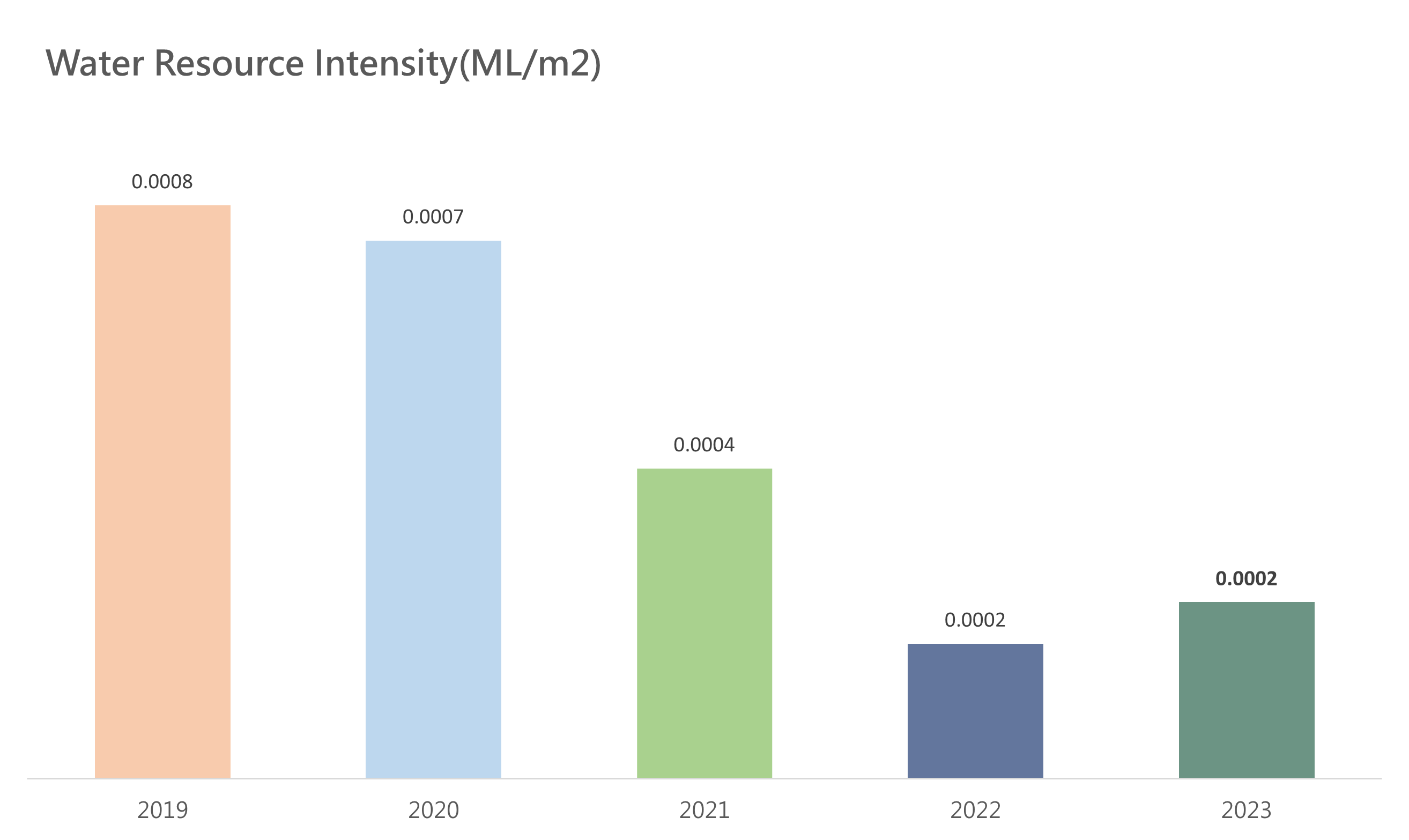
In order to ensure drinking water safety for employees, the water dispenser filters are replaced every month to effectively remove harmful substances in the water. Taiwan SGS is commissioned to regularly test the water every year to ensure safe and healthy water quality. The water consumption is mainly contributed by the evaporation and drift losses from air-conditioners and the water drunken by employees, and there is no effective tool available to measure them. The water discharge is solely made up of water used by employees in the daily life and is discharged into local public sewage systems through the sewage pipes of the building. WT conducts assessments using the World Resources Institute (WRI) Water Risk Atlas and has set a target to reduce water consumption by 1% annually.


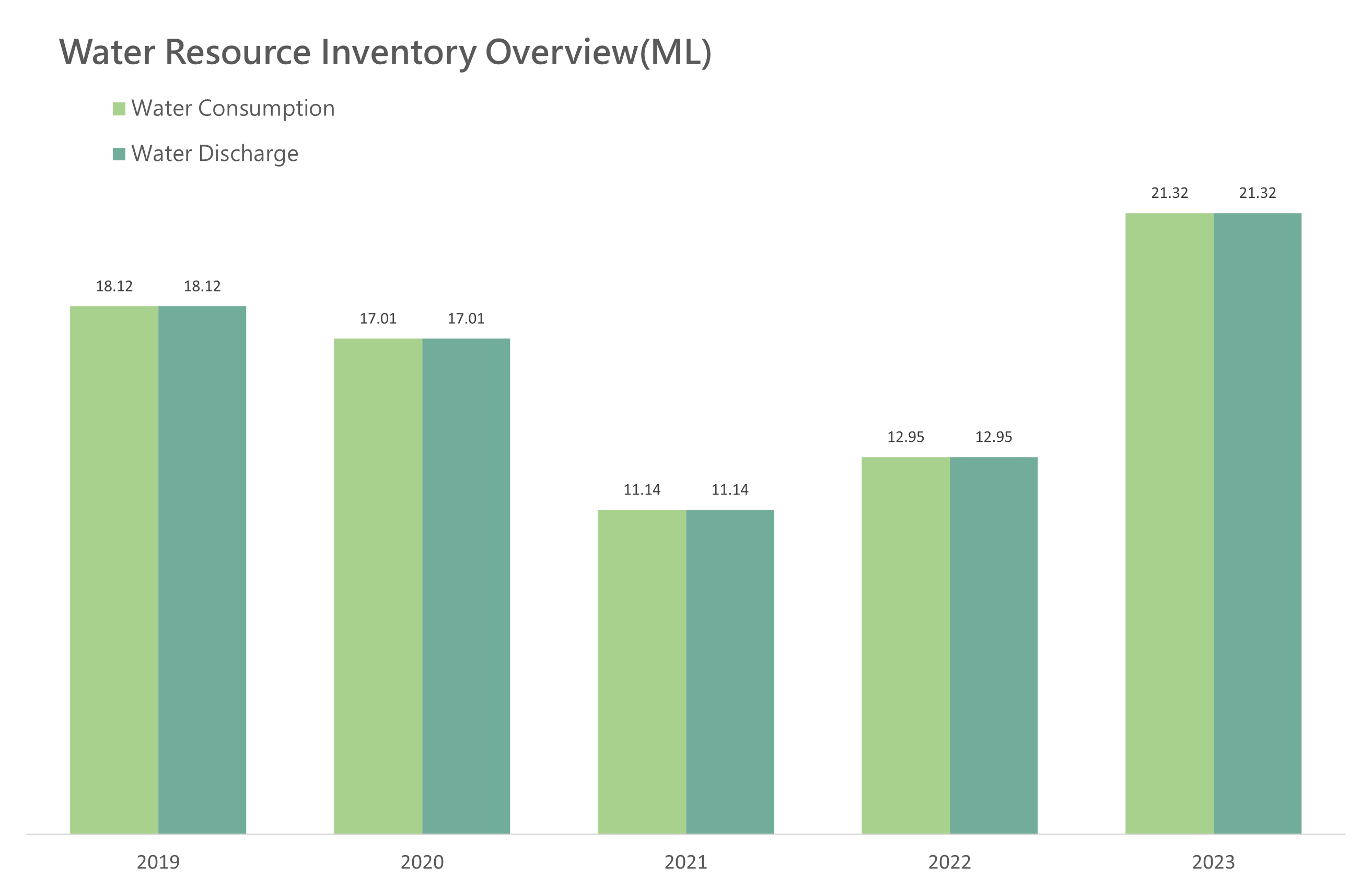
In 2023, operational locations included in the disclosure inventory were Taiwan, Hong Kong, Korea, and China, with a total water consumption of 21.32 ML, an increase of 8.37 ML compared to 2022, due to the expanded statistical scope.


Note 1: The 2023 statistical boundary covers all operational locations in Taiwan, Hong Kong, China, and Korea. Water fees for some offices are included in management fees without separate payment, making it impossible to reasonably calculate actual water consumption. As these represent an extremely small proportion of total water consumption, they are not included. 

Note 2: To implement water resource management, from 2021 onwards, statistics are based on water consumption figures shown on water company bills. For years prior to 2020, consumption was estimated based on water fees and unit prices.

Note 3: Water consumption includes air conditioning water evaporation and employee drinking water needs. As these amounts are not significant and lack reasonable statistical methods, they are not separately tracked. All wastewater is domestic sewage directly discharged from office buildings to domestic sewers without flow measurement capabilities, so water consumption is used to estimate discharge volume for disclosure purposes.


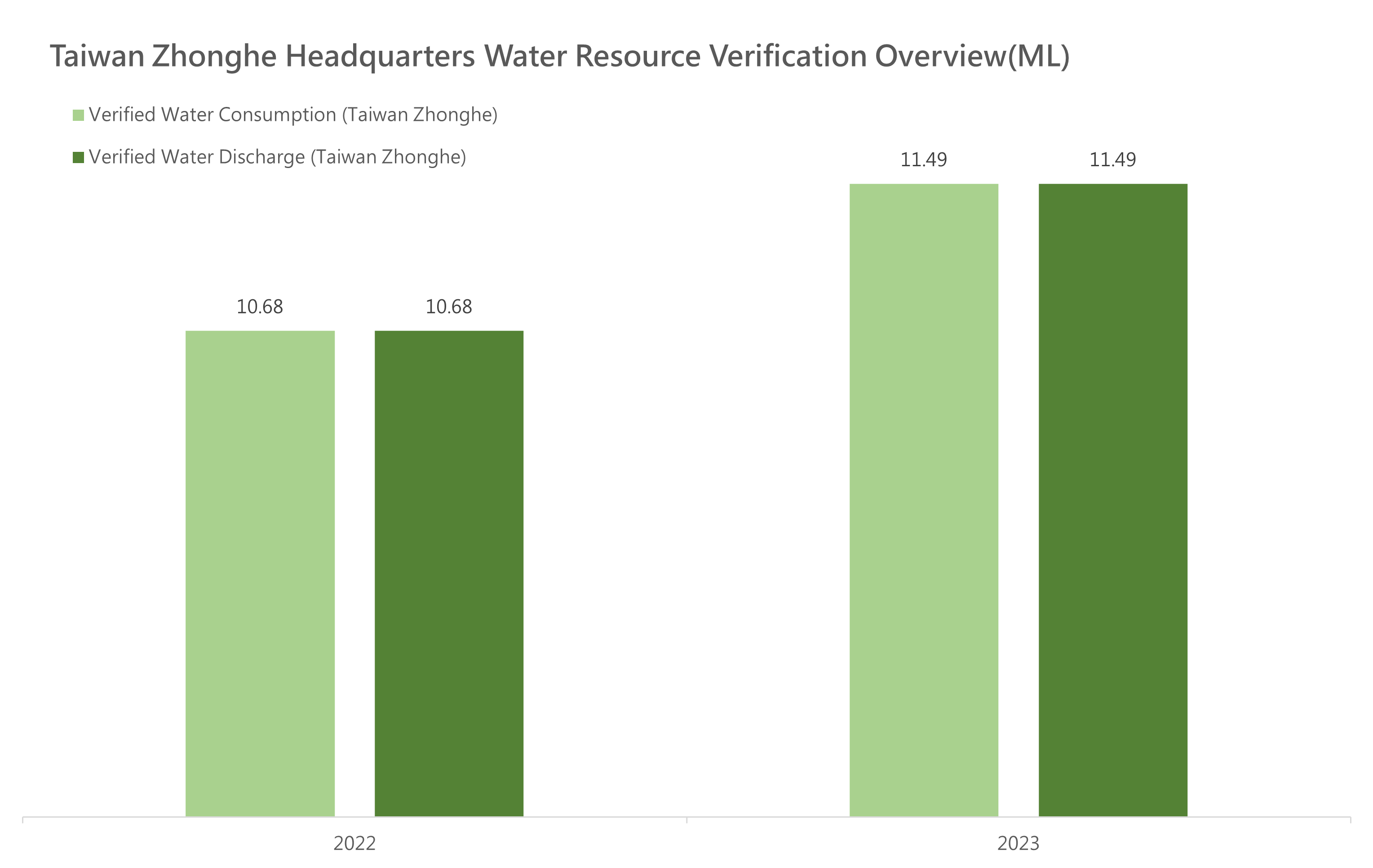
To ensure the accuracy of water usage data, the water consumption of the Zhonghe Headquarters in Taiwan for 2022 and 2023 has been verified by BSI Taiwan Branch. The 2023 water consumption was 11.49 ML, an 8% increase compared to the 2022 figure of 10.68 ML. This increase was due to the 2023 cooling tower repairs and updates, which required large amounts of water drainage. WT has been continuously communicating with the building management committee to implement relevant water conservation measures.


Note: The verification scope for 2022 and 2023 was the Zhonghe Headquarters office in Taiwan. Water consumption data for 2022 and 2023 was verified by BSI Taiwan Branch in May 2024.


In the future, WT will continue to promote water conservation measures, use water-saving devices, conduct water usage inspections, and regularly promote water conservation information to achieve the goal of zero water waste together with employees.


Continued voluntary purchase of renewables and launch of solar installation plan

WT’s total energy consumption was 19,451 GJ in 2023. The biggest source of energy was non-renewable electricity purchased from power companies, accounting for 94.74% of the total consumption. The total electricity consumption was 18,429.11 GJ in 2023, up 18.88% relative to 2022, as a result of the inventory scope expansion to the entire Group. The others were gasoline and diesel consumed by company fleet, totaling 1,022 GJ in 2023. The total energy consumption increased by 16.34% compared with 2022, as the scope was expanded to the entire Group. However, the intensity measured by floor area decreased by 5.12% relative to 2022.

The Taiwan Ministry of Economic Affairs’ plans to achieve 20% renewables in electricity generation matrix by 2025 and the Paris Agreement pursues efforts to keep the temperature rise under control. In response, despite not being a major electricity consumer or carbon emitter subject to prioritized control, WT purchased 10,000 kWh of renewable energy certificates in 2023 to understand Taiwan’s renewable energy procurement process. The renewables make up 0.41% of the consumption in Taiwan, and a 100 KW solar system was installed in the Shanghai offices (completed in Q1 2024) to generate electricity mainly for self-use. WT will continue to conduct feasibility assessments on green power generation, green electricity purchase, and renewable energy certificates, in order to gradually increase the proportion of renewable energy usage.

Training professionals and assisting suppliers towards netzero carbon reduction

In 2023, two employees with practical experience in GHG inventory were appointed to participate in the GHG verification professional certification course, which covers standards such as ISO 14064-1, ISO 14067 and PAS 2060. In addition, a number of administrative supervisors attended a series of corporate carbon reduction and net-zero strategic planning courses and all passed the exam and obtained certificates. They became the Group's internal lecturers to continuously promote GHG inventory and carbon reduction plans. It is scheduled to invite relevant personnel from suppliers for a meeting in 2024 to promote concepts and knowledge related to net-zero carbon reduction for joint efforts towards net-zero.

An inventory of WT and its subsidiaries included in the consolidated reports is 100% developed, earlier than legally required.

Since 2018, WT has been working on GHG inventory with reference to the Specification with Guidance at the Organization Level for Quantification and Reporting of Greenhouse Gas Emissions and Removals (ISO 14064-1) and the GHG inventory protocol. The inventory is verified by a third party to assure its accuracy and reliability every year. A complete inventory of all its individual companies was developed in 2022. With 2022 as the base year, WT is committed to reducing Scopes 1 and 2 GHG emissions by 2% every year, and keeping its management policies updated according to the reduction situation.

Base on the result of major indirect emission sources identification, indirect GHG emissions from purchased electricity (Category 2: Capital Goods), upstream transportation and distribution (Category 4) and business Travel (Category 3) were included within the boundaries. In addition, the emissions of all the locations where operate WT's companies and Taiwan subsidiaries included the consolidated statements were verified by a third-party in accordance with ISO 14064-1

GHG emission reductions target was met again in 2023

In 2023, WT emitted 3152.10 tonnes CO2e (using location-based accounting), or 3,147.15 tonnes CO2e (using marketbased accounting). Third-party verified Scopes 1 and 2 GHG emissions was 1,541.94 tons CO2e, down by 3.49% relative to 2022 (1597.75 tonnes CO2e), meeting the reduction target of 0.0041 tonnes CO2e/NTD million.