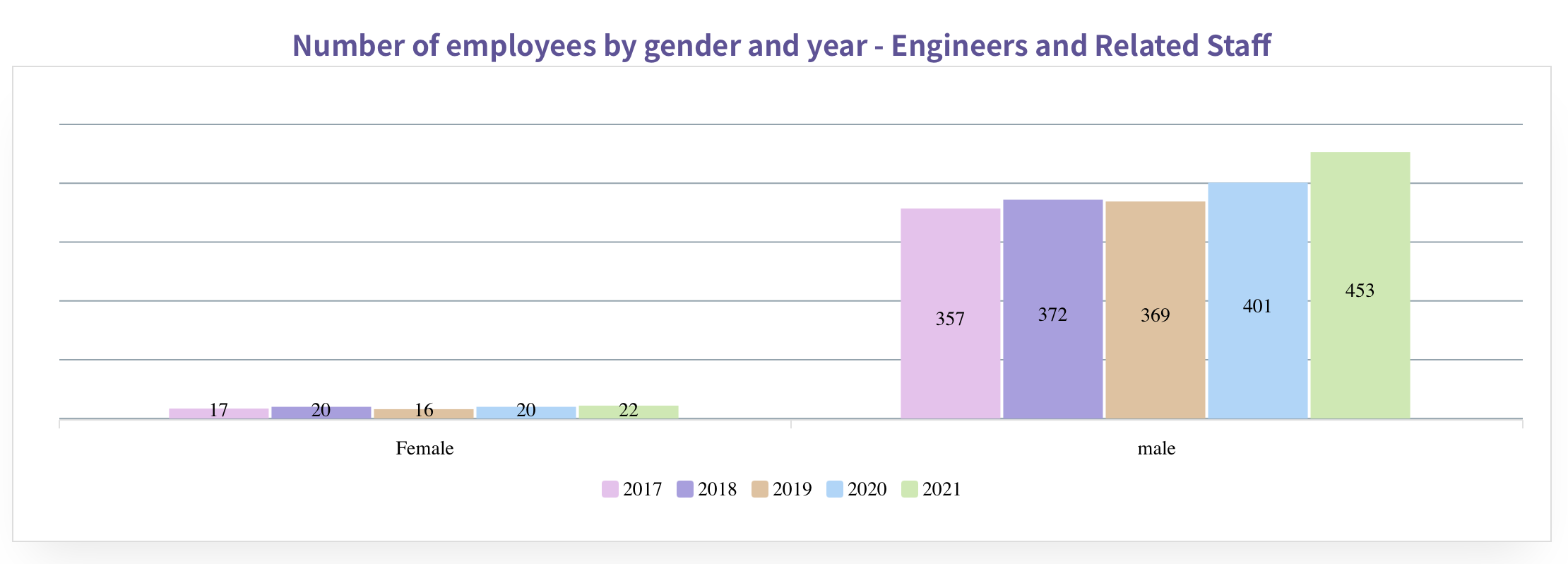
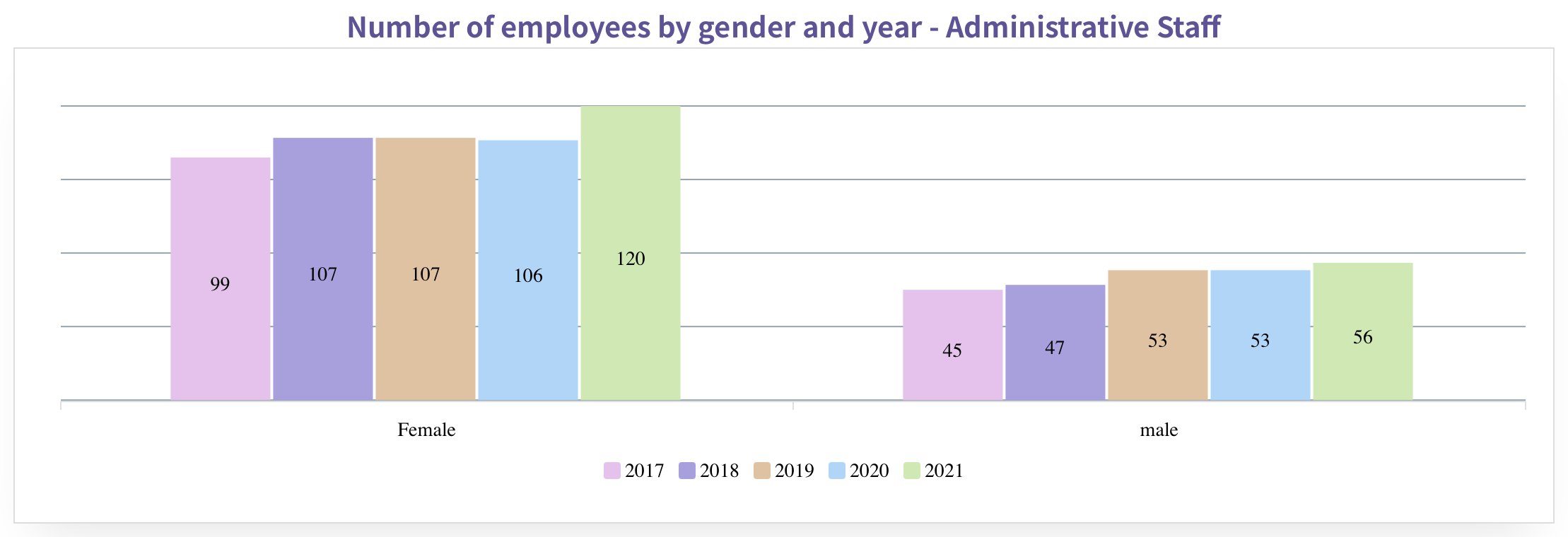
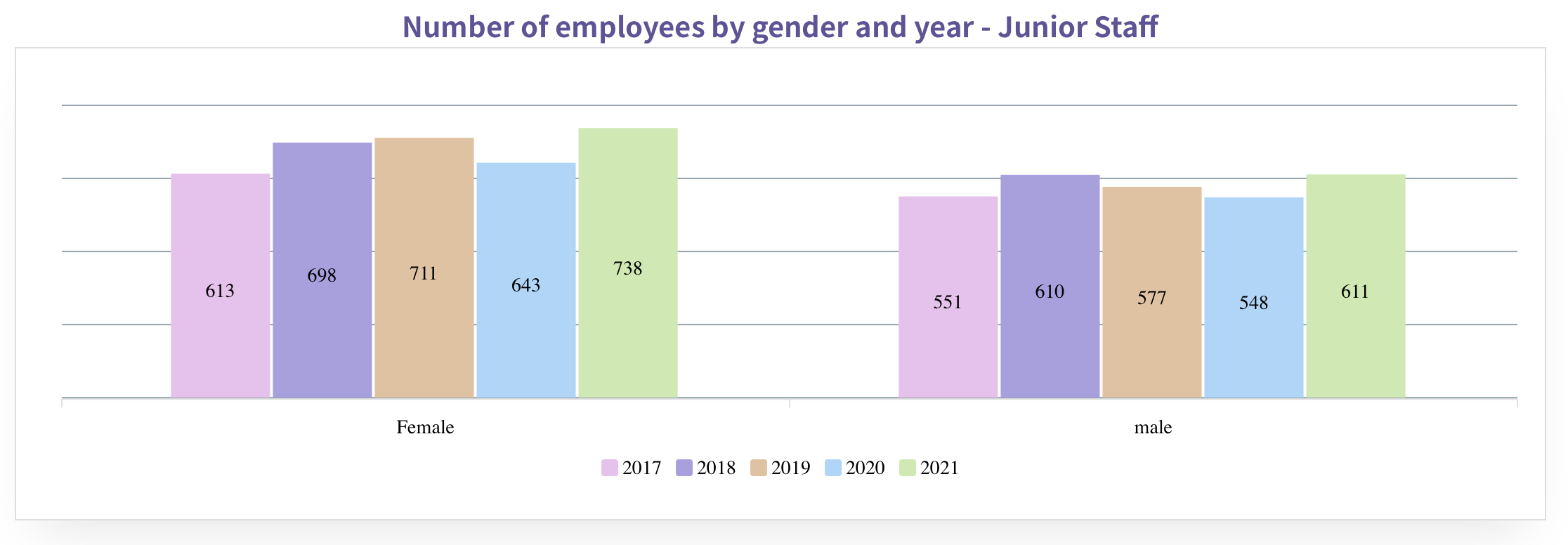
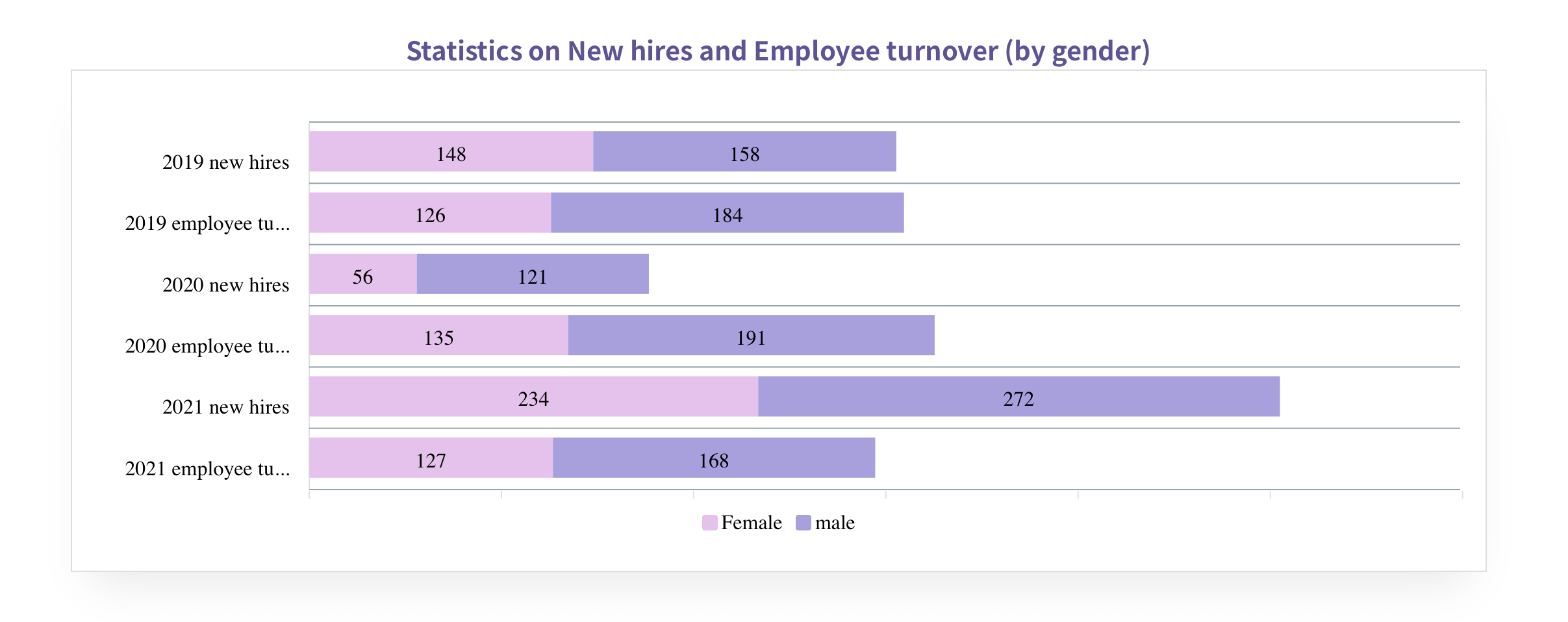
WT understands that PEOPLE are the most important asset of an enterprise. In order to create a better work environment for employees and attract professional talents to join the Company, WT follows the laws and regulations of the countries where its business bases are located, as well as the Social Policy and Code of Conduct formulated to meet its commitment to safeguard labor rights. Recruitment-related activities have been planned and executed according to the annual headcount plan of each department. In accordance with Article 38, Paragraph 1 of the People with Disabilities Rights Protection Act, WT employs a sufficient number of people with disabilities, simplifies the work process and assigns appropriate work to accommodate their needs, and provides timely care and encouragement from time to time.
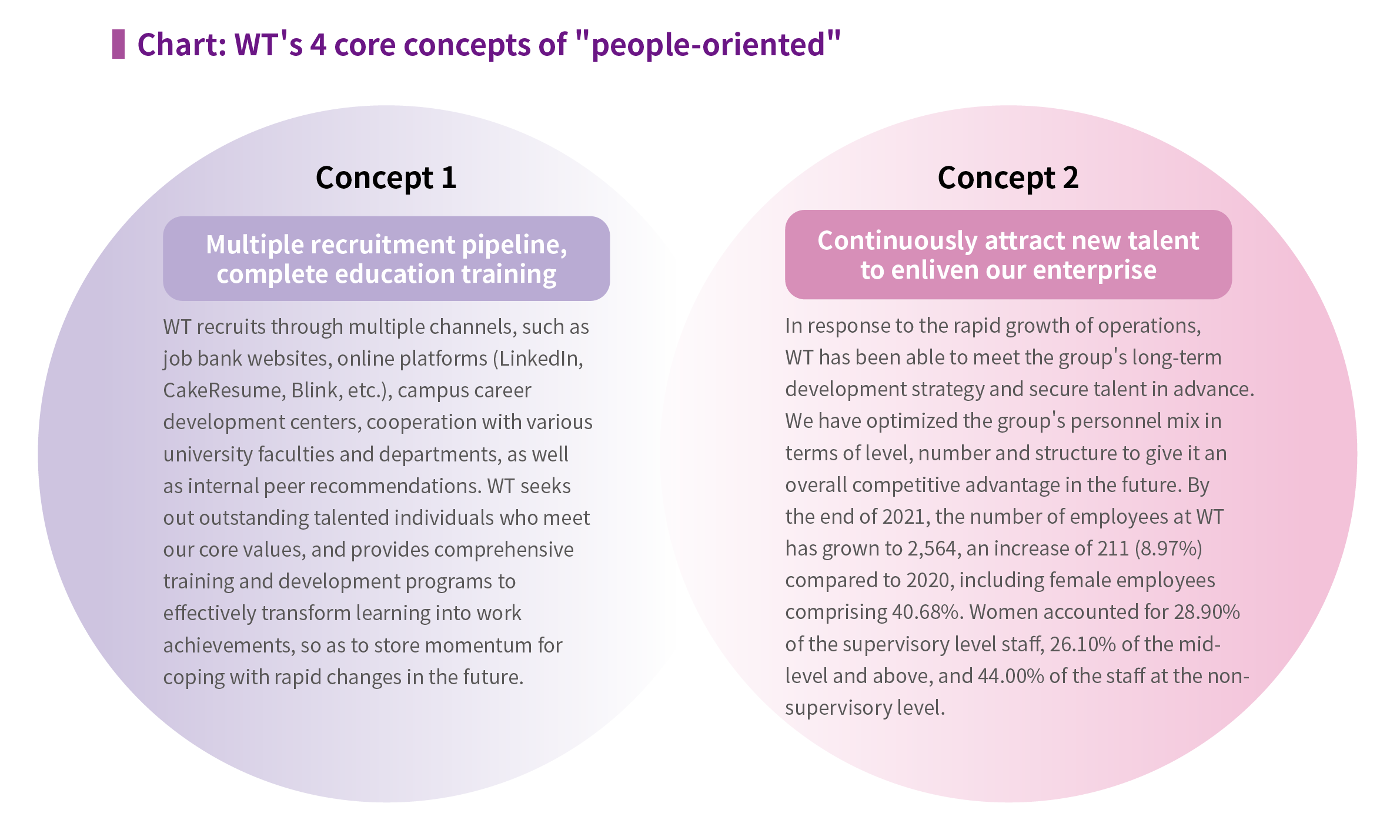
WT’s four core people-oriented concepts
|
Diversifying recruitment channels and comprehensive training programs WT recruits talents aligned with WT’s core values via multiple channels including job bank websites, online platforms (such as LinkedIn, CakeResume, Blink, etc.), campus career centers, partnerships with universities, colleges, departments, as well as internal referrals. A complete training and development plan is provided to ensure talents translate learning into performance effectively and thereupon build a talent pool ready for a rapidly changing future. In 2024, an internal recruitment system is designed and implemented for mid- andhigh-level supervisors who transferred to another department and employees to another job. In 2024, WT enhanced recruitment efforts not only through a wide range of diversified recruitment platforms, but also by strengthening partnerships with academic institutions to offer both full-time and internship opportunities. To cultivate outstanding talent and enable students to apply their knowledge while gaining practical workplace experience, WT provided internship opportunities across various functions, including Sales, FAE (Field Application Engineering), Procurement, Order Management, IT, Process Optimization, and Human Resources—offering more than 20 internship positions in total. In addition, WT sponsored scholarships and development programs in collaboration with the College of Social Sciences at National Chengchi University and the College of Engineering at Tunghai University, as well as a trends lecture series at National Taiwan University of Science and Technology, further demonstrating its commitment to nurturing future talent through industry-academia cooperation. |
Note: In accordance with local practices in China, employees are initially hired under fixed-term contracts and later transitioned to open-ended contracts. Since their compensation and benefits remain unaffected during the transition, and their service years are fully recognized after the conversion, these employees are categorized as open-ended (permanent) employees for reporting purposes. |
WT actively recruits outstanding emerging talent to build a vibrant, inclusive, and high-performing workforce that drives sustainable growth.
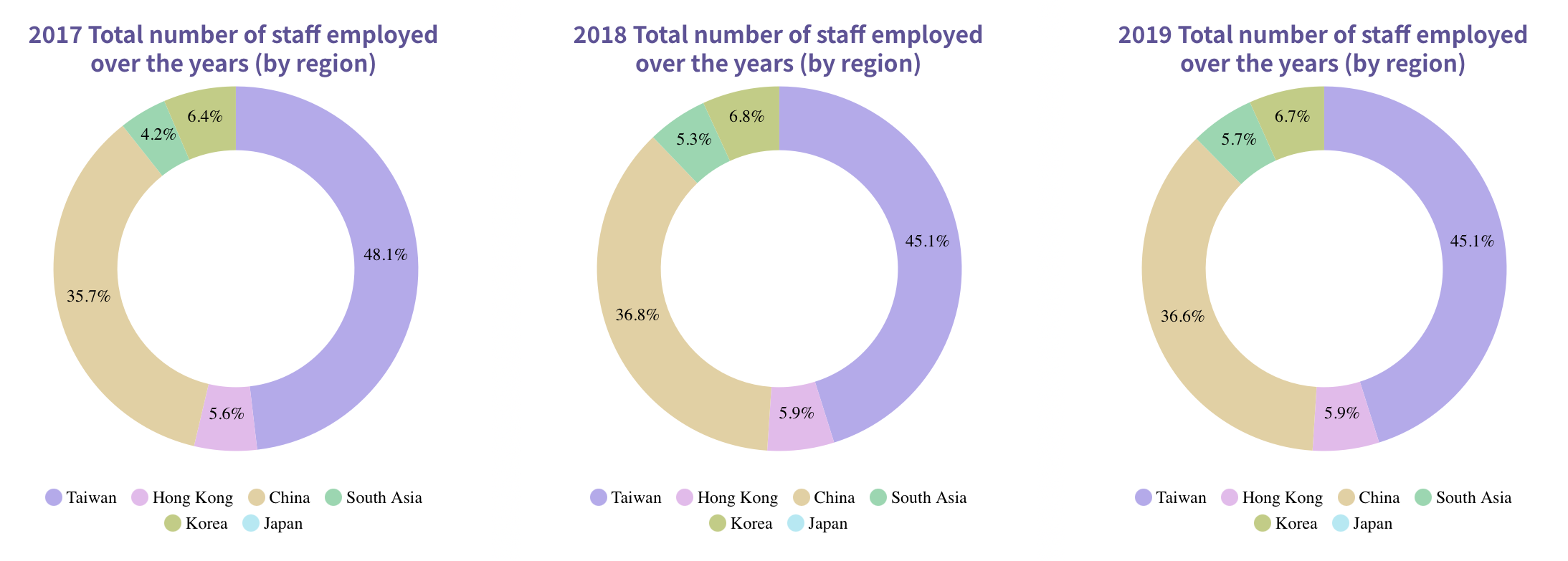
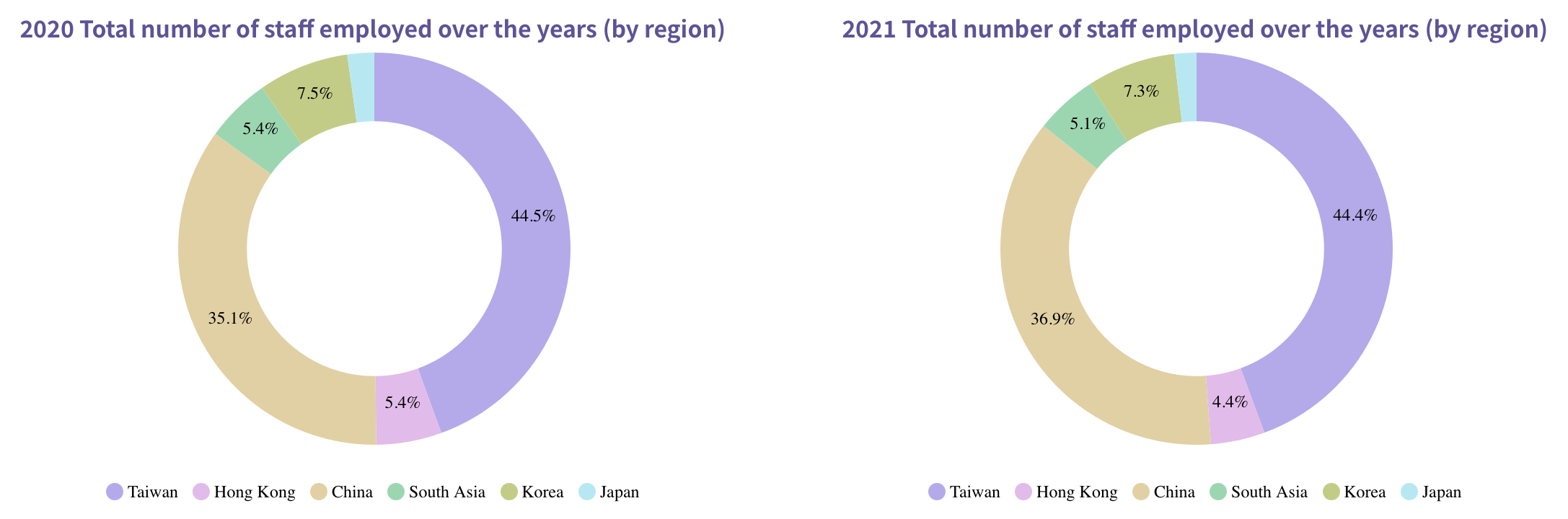
In response to the rapid development, WT secures a competitive edge for the future by keeping a talent pool in line with the group’s long-term development strategy, and an optimized array in terms of level, number and structure. As of the end of 2024, the total number of WT employees was 7,970, an increase of 4,507 employees compared with 2023 (A 130.15% increase in headcount due to the acquisition of Future Electronics in 2024). Non-guaranteed-hour employees were not hired during the reporting period. Non-employee workers include dispatched personnel who provide supporting services such as cleaning, driving, security, warehousing, customs operations, and cafeteria services.
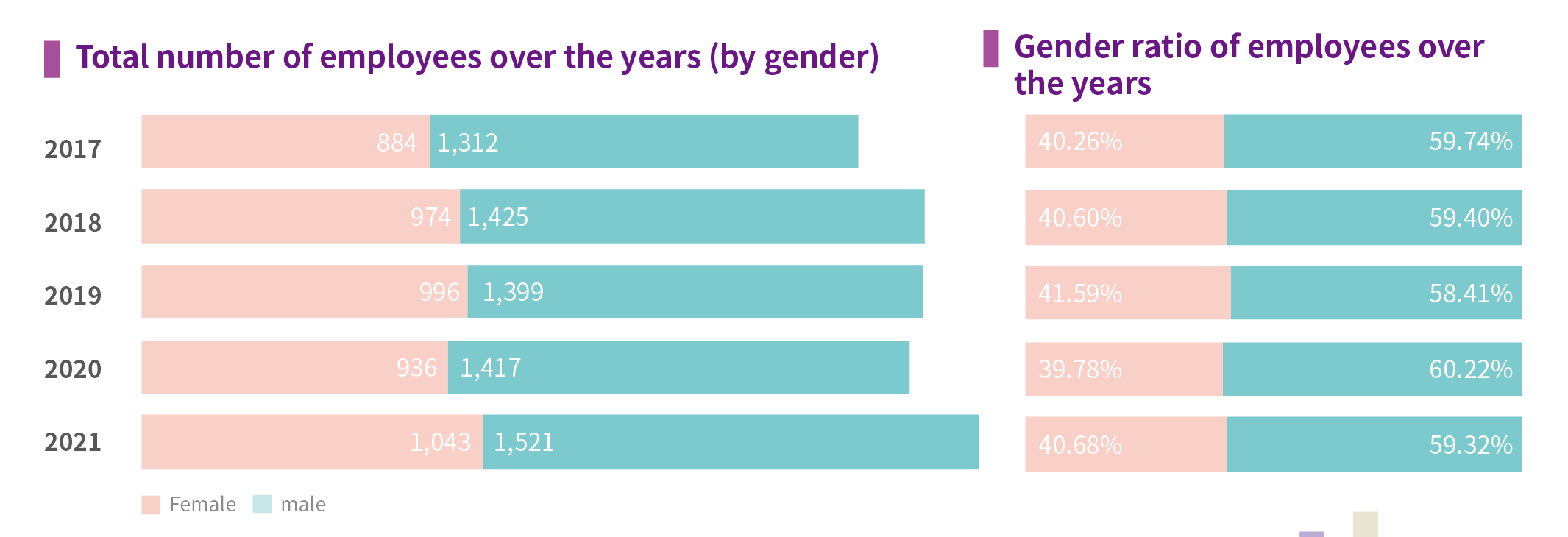
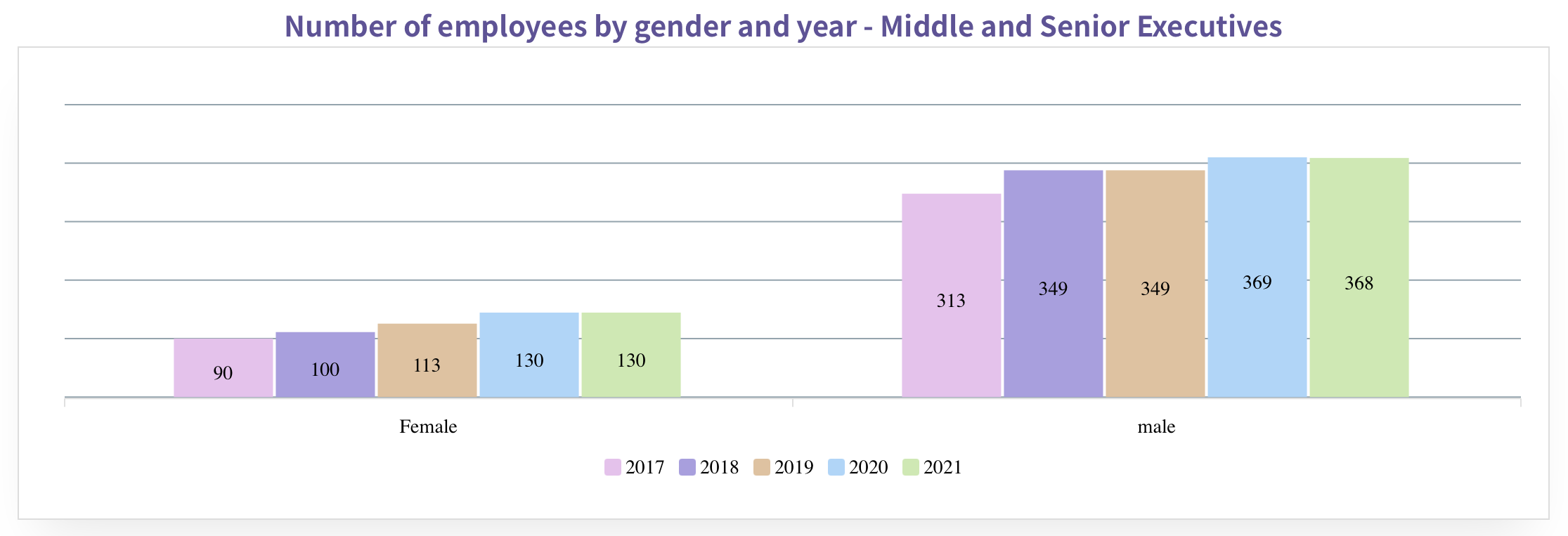
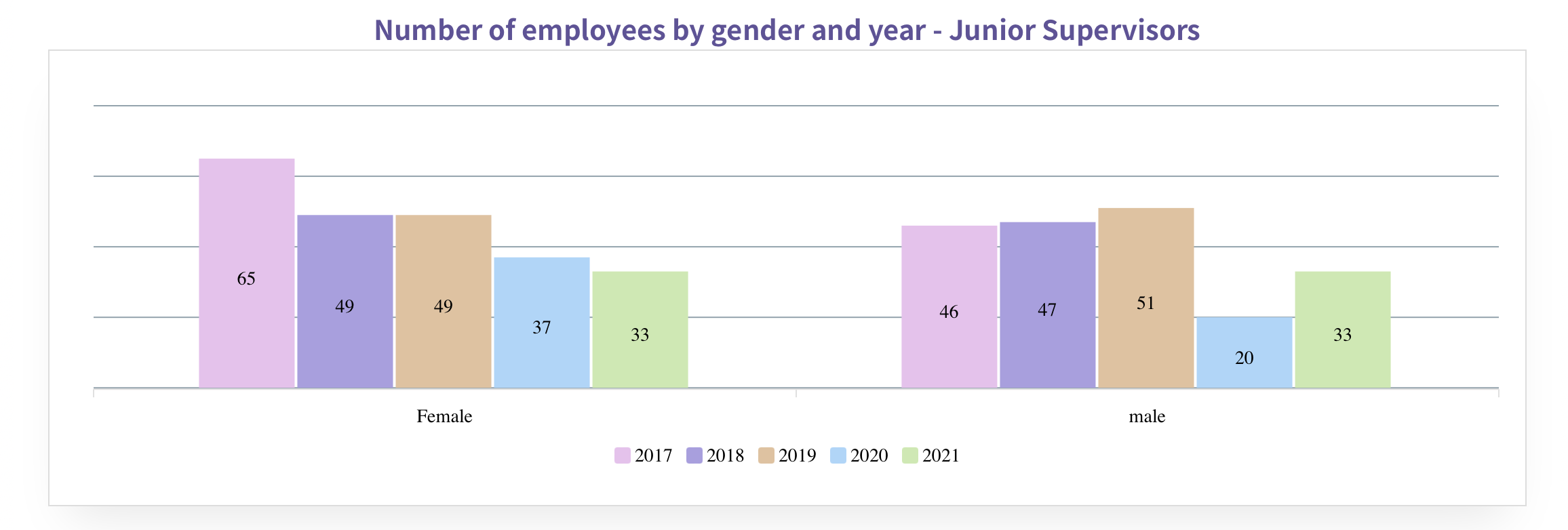
In addition, WT is committed to fostering gender diversity and an inclusive culture by building a fair workplace where every employee can realize their full potential in a diverse and inclusive environment. As of the reporting year, female employees accounted for 47.1% of the workforce. Among employees at the managerial level and above, 42.0% were women, including 9.09% in senior management, 42.8% in mid-level management, and 51.54% in junior management. Moreover, 40.5% of business unit managers were female.Within STEM-related roles (Science, Technology, Engineering, and Mathematics), female employees accounted for 7.82%, excluding Future Electronics. WT continues to support the recruitment, development, and advancement of women in STEM through targeted talent acquisition and training programs, aiming to attract more outstanding female professionals in science and engineering fields.
Female
Male
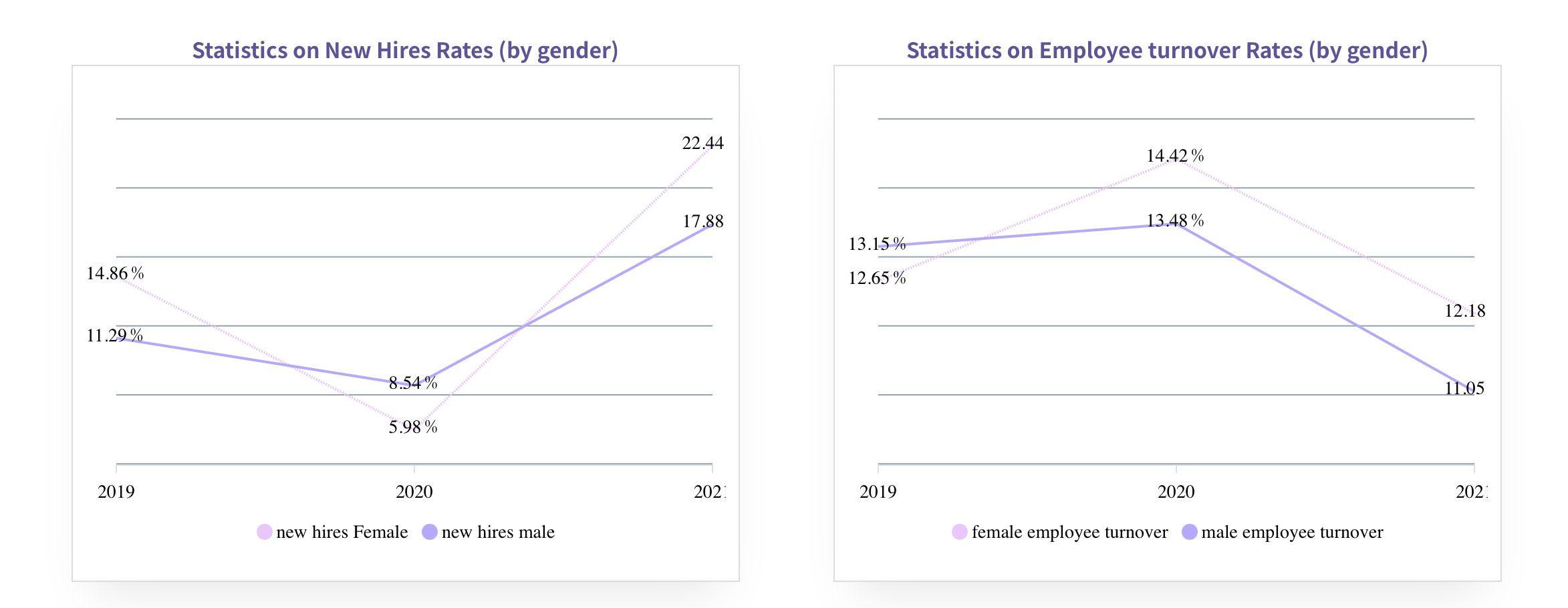
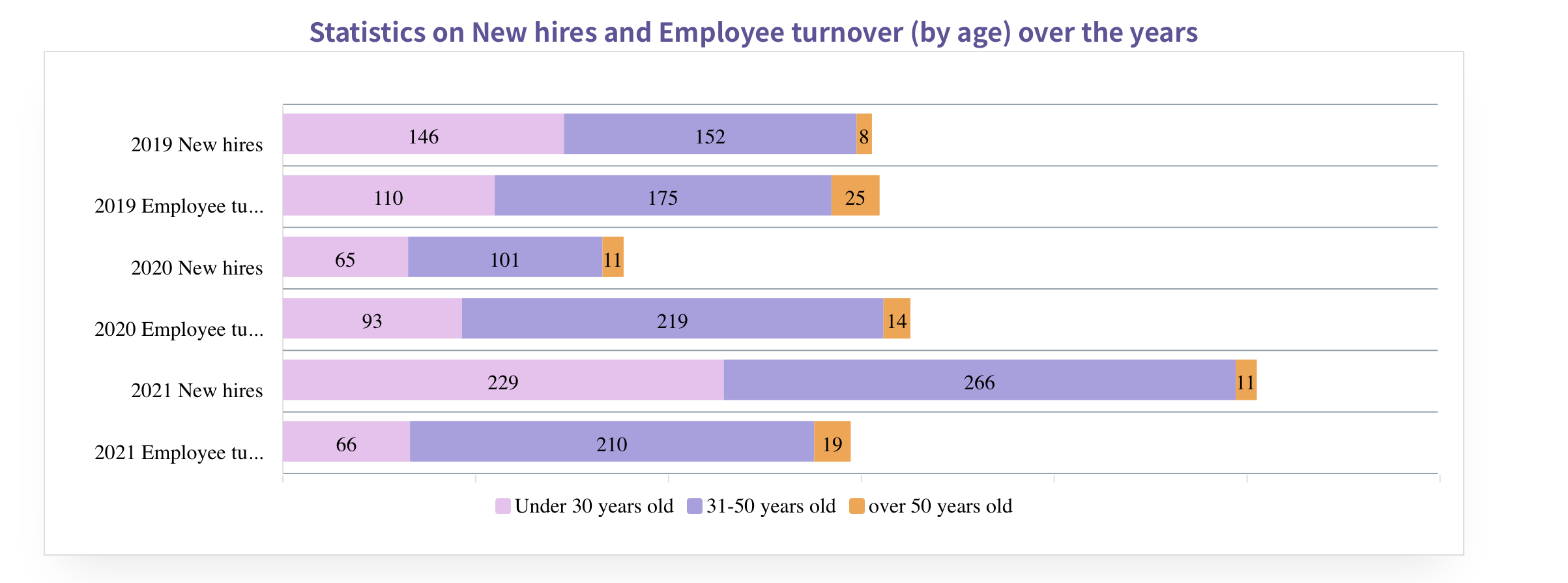
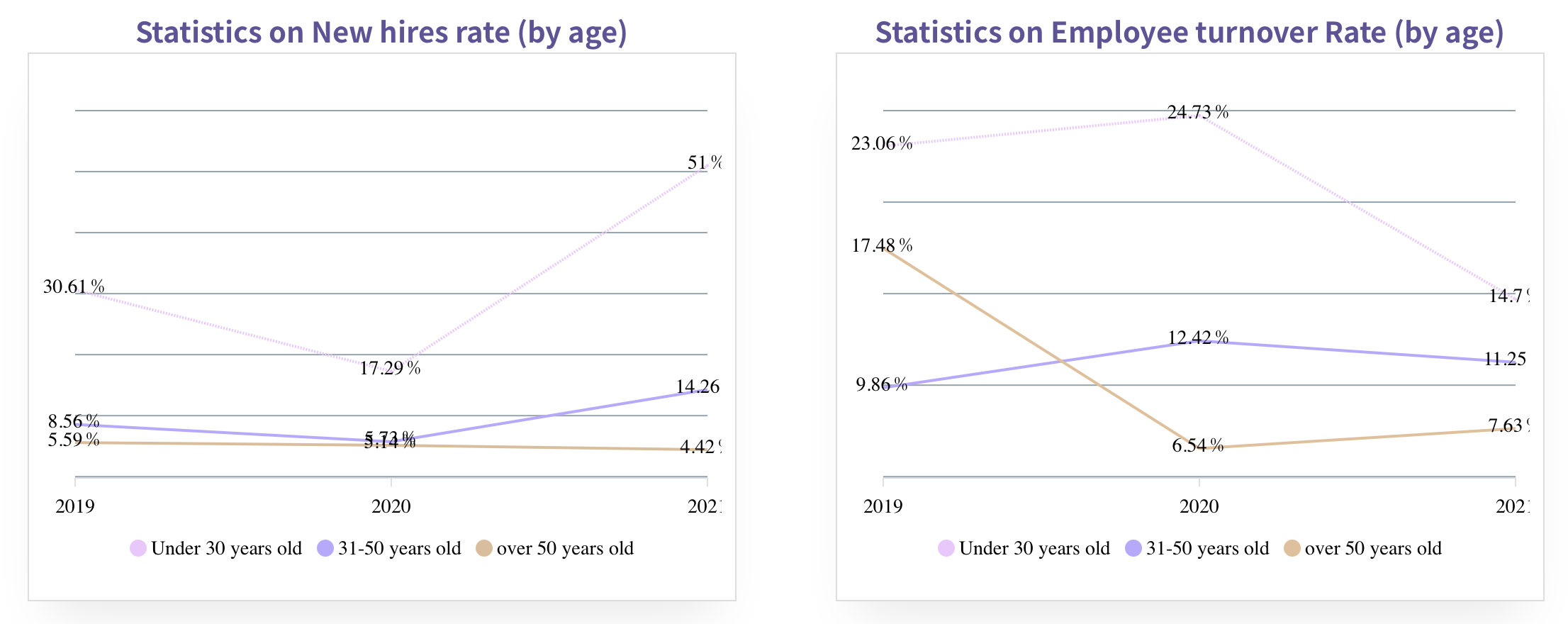
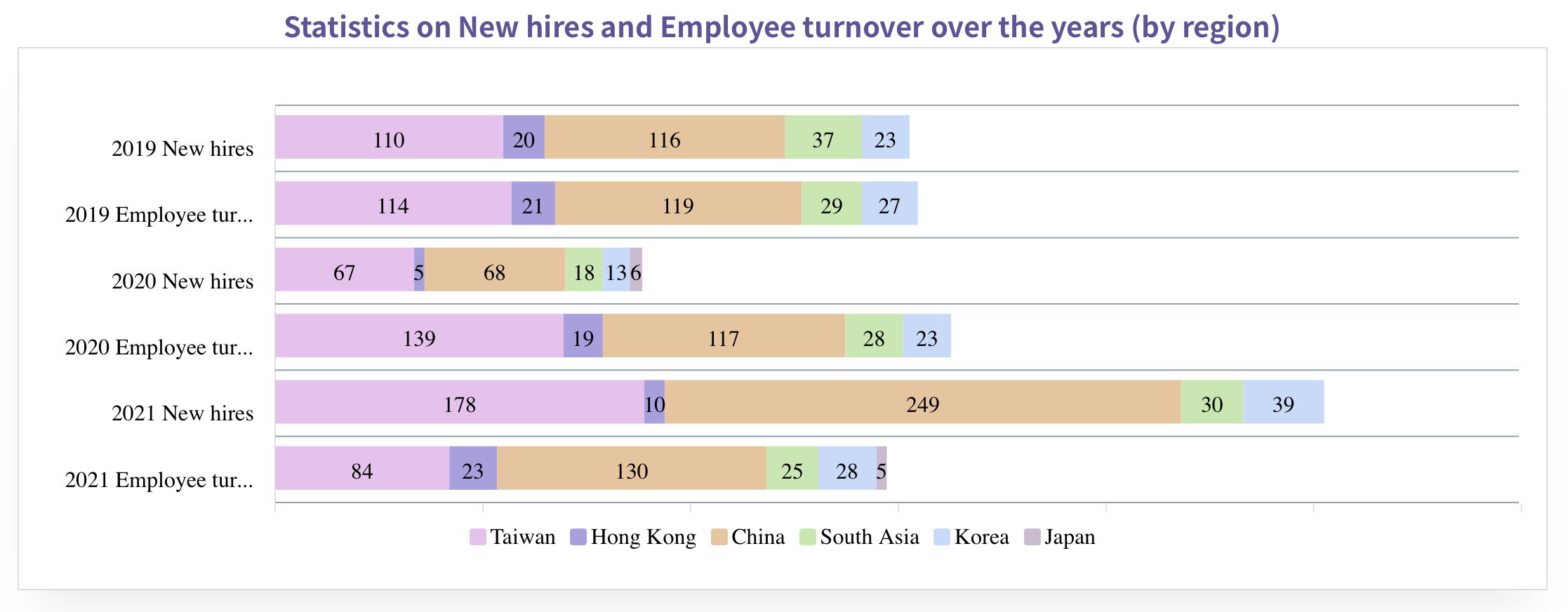
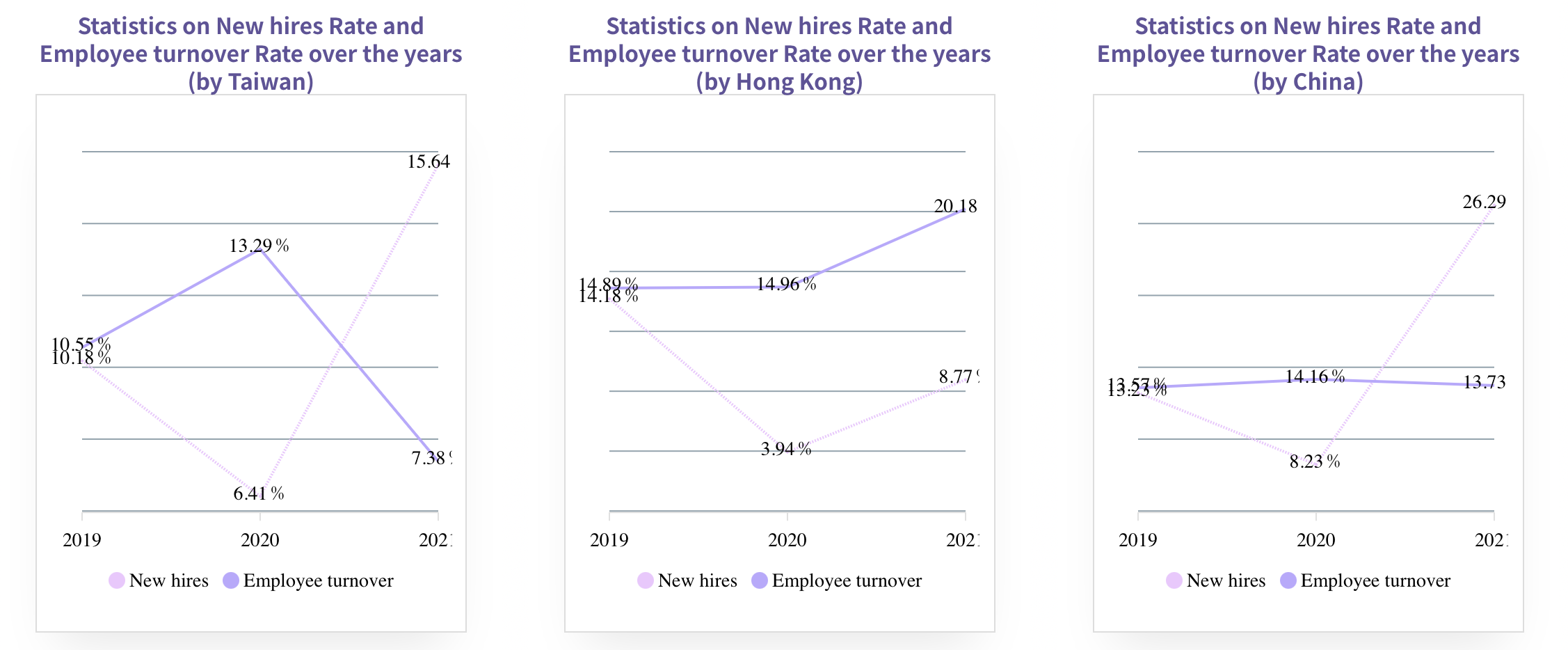
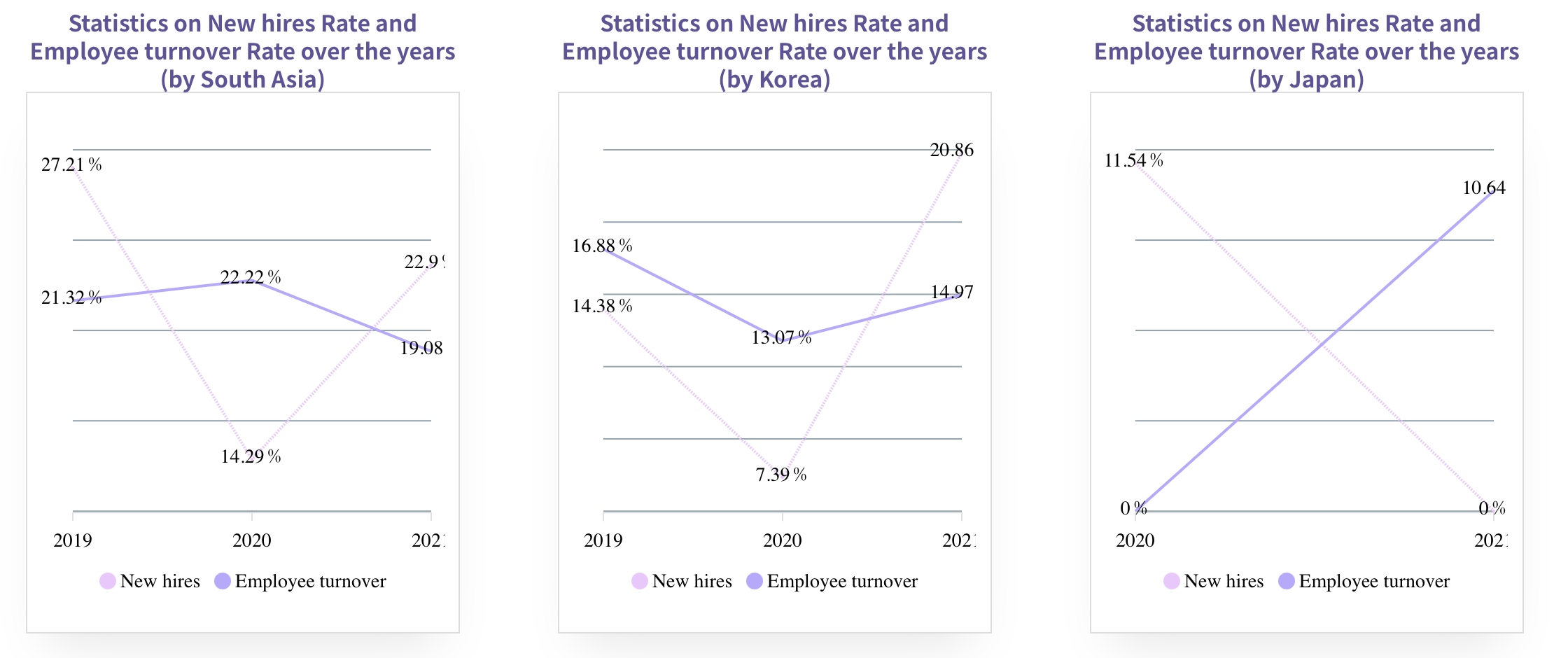
In 2024, the turnover rate was 21.06%, representing 673 employees (excluding Future Electronics). Among them, 672 employees resigned voluntarily, accounting for a voluntary turnover rate of 21.03%, while one employee was involuntarily terminated. By age group, the turnover rate was 19.66% for employees aged 50 and above, while a higher rate of 30.09% was observed among those under 30. Simultaneously, the new hire rate was 12.68%, or 405 employees. By gender, there was a merely 0.9 percentage point difference. By age group, the new hire rate for employees under 30 was relatively high at 41.39%. Note: The age groups are categorized as follows: 30 years and under (inclusive), 31 to 49 years, and 50 years and over (inclusive). This classification is used to present the distribution of employees across different age groups and the associated performance indicators.
Female
Male
With the integration of Future Electronics, structural adjustments have occurred in WT’s global operational footprint and overall workforce composition, leading to an upward trend in the proportion of female employees. This shift has further enhanced gender diversity in the workplace.
Female
Male
Female
Male
New hire and turnover rates by gender (excluding Future Electronics), 2020-2024
Female
Male
Aged 30 and under
Aged 31-49
Aged 50 and over
Note: The age groups are categorized as follows: 30 years and under (inclusive), 31 to 49 years, and 50 years and over (inclusive). This classification is used to present the distribution of employees across different age groups and the associated performance indicators.
New hire and turnover rates by age (excluding Future Electronics), 2020-2024
Aged 30 and under
Aged 31-49
Aged 50 and over
Note 1: New-hire rate = the number of new hires of the category in the year ÷ the total number of employees in the category at the end of the year
Note 2: Turnover = the number of separating employees of the category in the year ÷ the total number of employees in the category at the end of the year
Note 3: The numbers of new and departing employees from 2020 to 2022 both exclude those who were newly hired and departing in the same year. In 2023, they are no longer excluded.
Note 4: The new hire and turnover statistics for 2024 exclude Future Electronics.
Note 5: The age groups are categorized as follows: 30 years and under (inclusive), 31 to 49 years, and 50 years and over (inclusive). This classification is used to present the distribution of employees across different age groups and the associated performance indicators.
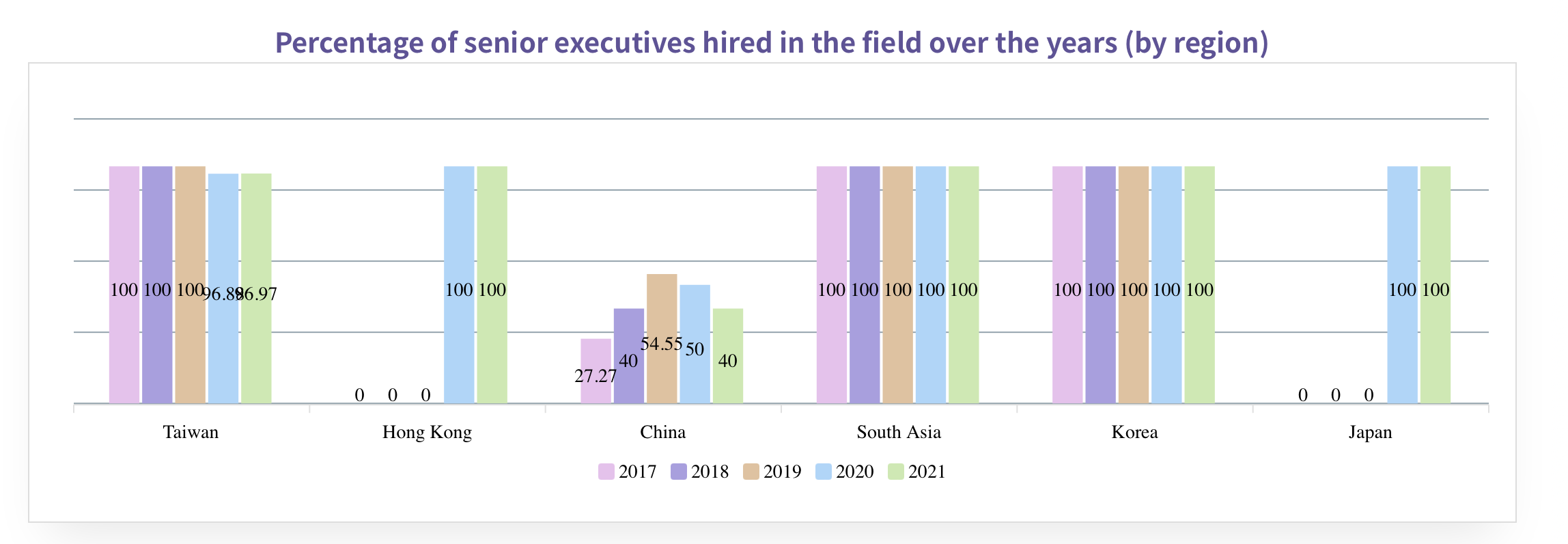
WT proportion of senior management hired locally, 2020-2024
In 2024, the proportion of local hires in senior management across operating bases reached 89.09%.
Note 2: Local residents are defined as individuals who hold citizenship of the country in which the operating site is located.
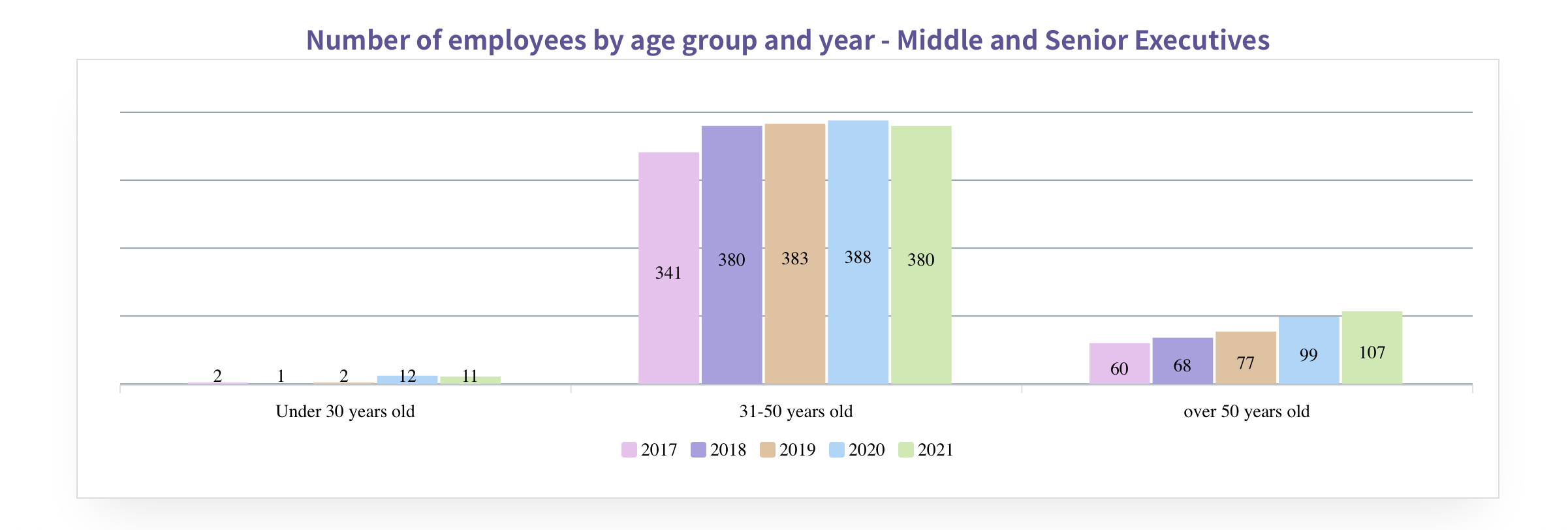
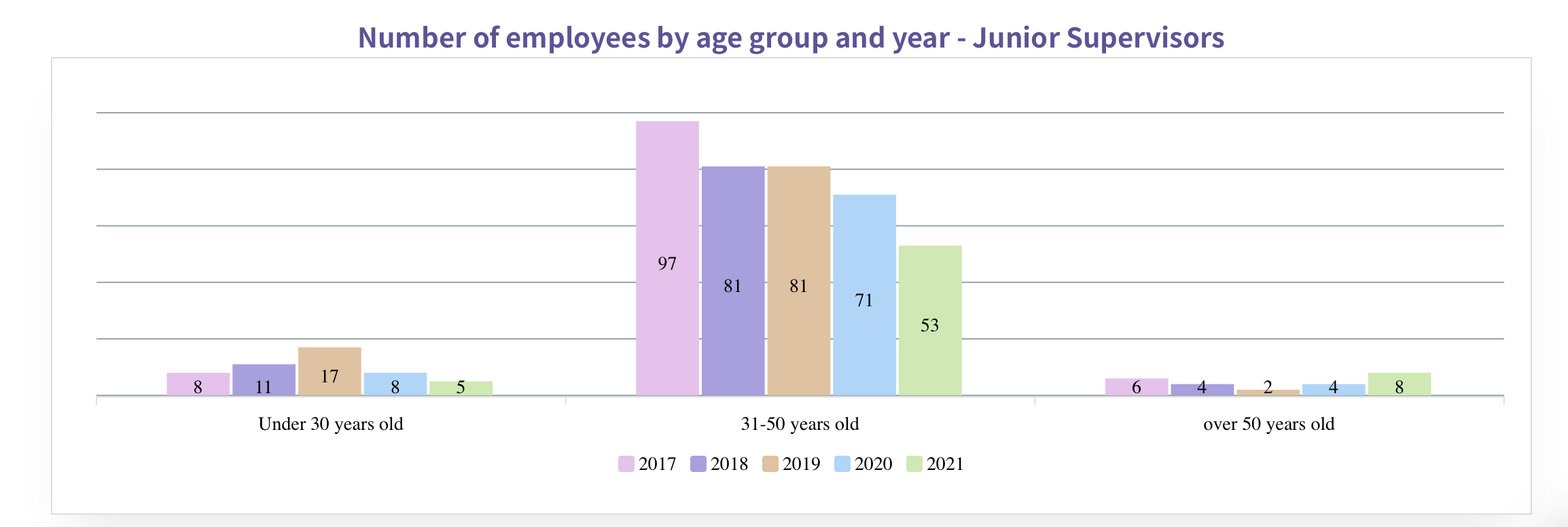
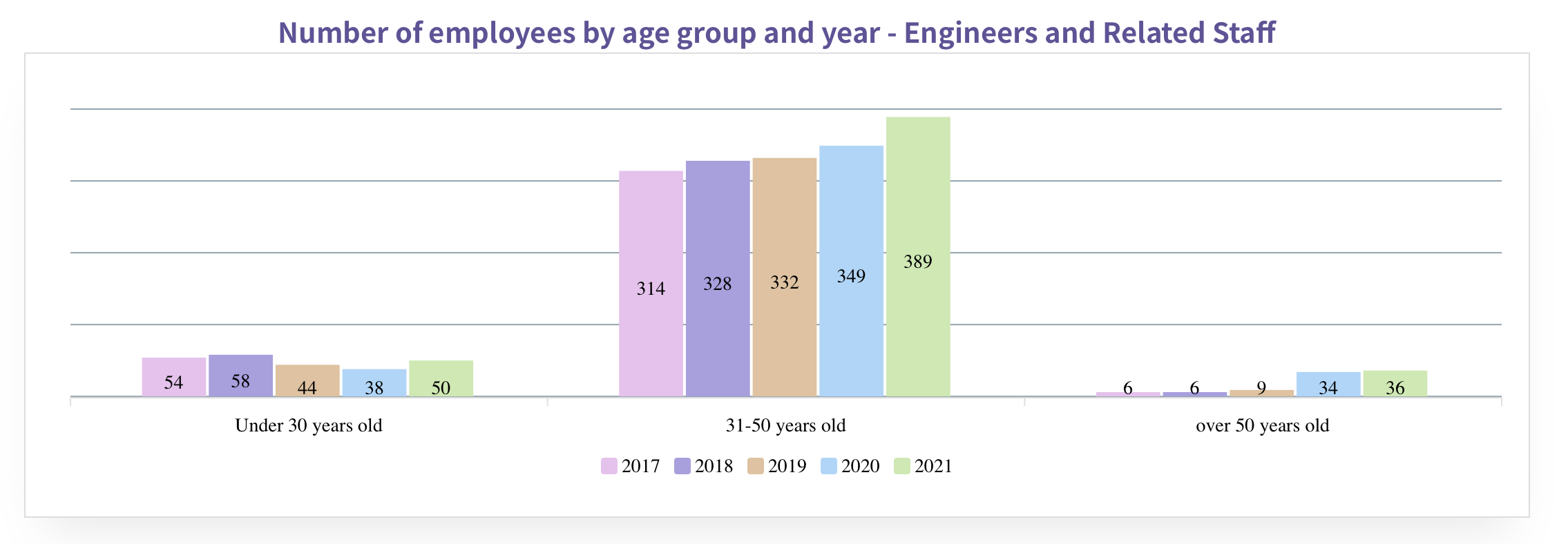
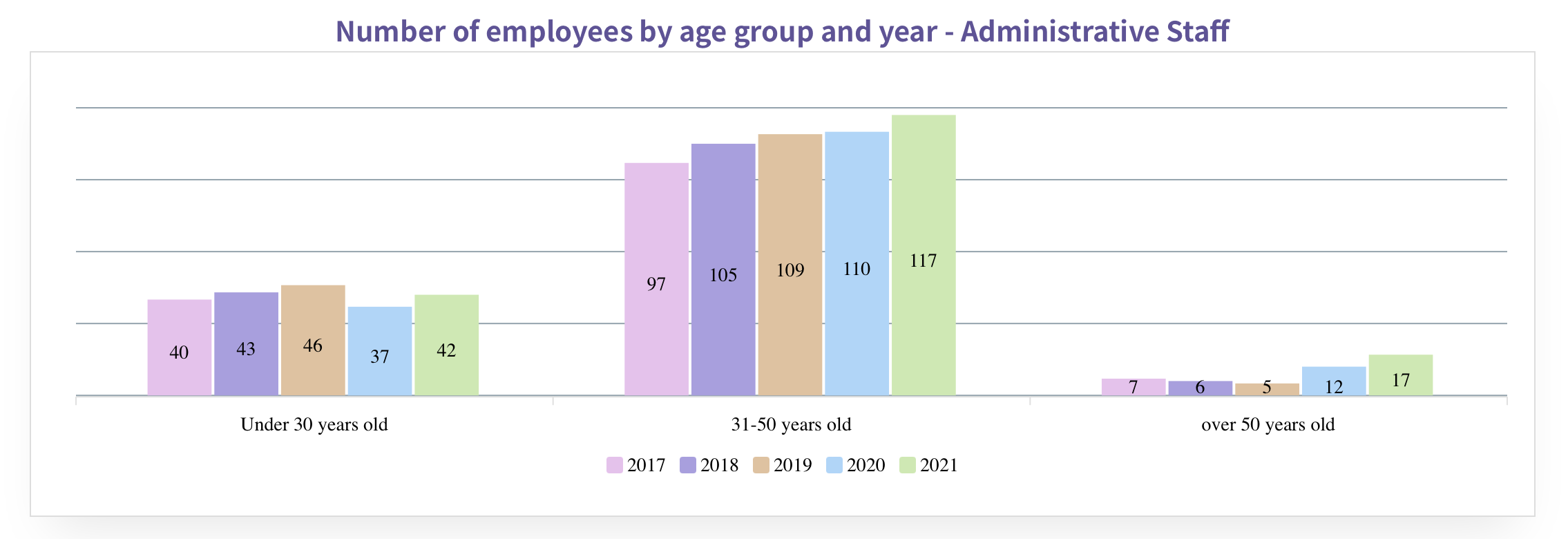
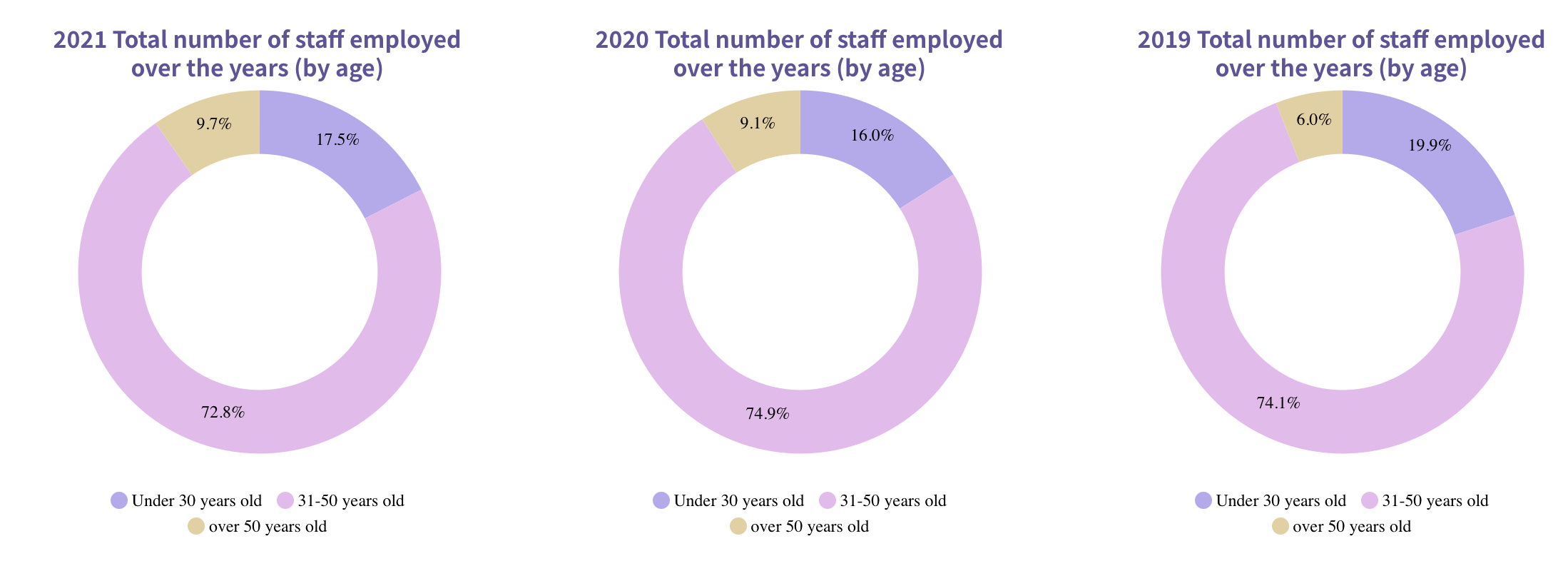
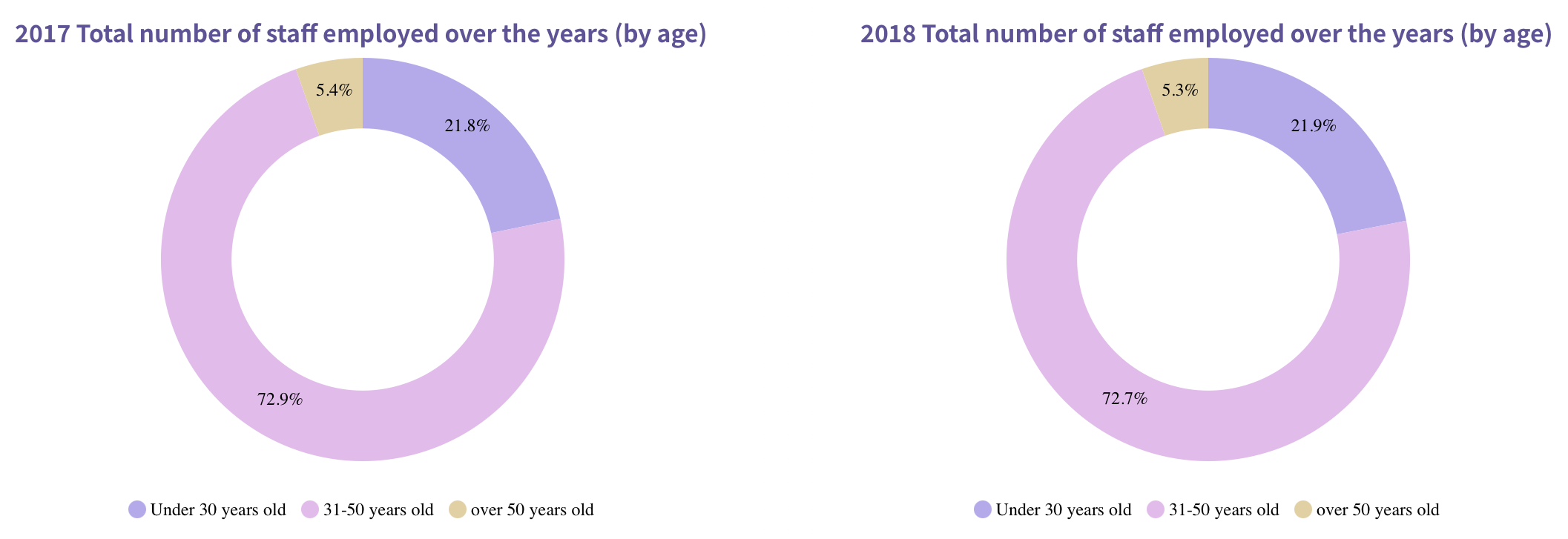
Employee count by age
The age structure of employees remains stable, with no discriminatory practices in recruitment or retention.
Aged 30 and under
Aged 31-49
Aged 50 and over
Aged 30 and under
Aged 31-49
Aged 50 and over
Note 1: Senior (Top-level) Management: Division-level and above managers, Mid-level Management: Department-level and section-level managers, Junior (First-line) Management: Team-level supervisors, and Professionals: Non-managerial staff
Note 2: The age groups are categorized as follows: 30 years and under (inclusive), 31 to 49 years, and 50 years and over (inclusive). This classification is used to present the distribution of employees across different age groups and the associated performance indicators.