Combining sustainable development with risk management to strengthen sustainable operations

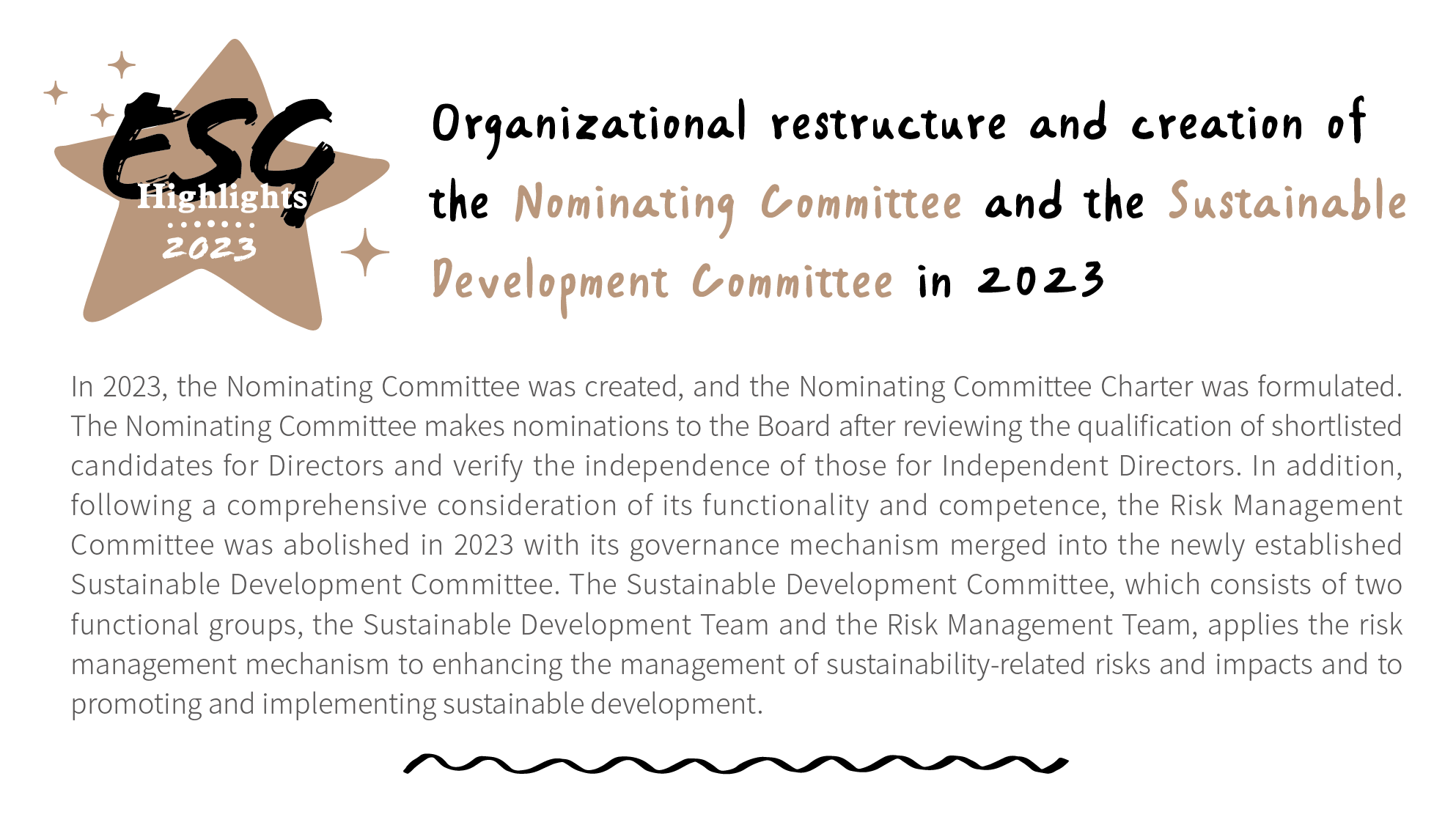
In 2023, WT set up the Sustainable Development Committee to combine sustainable development management capabilities and coordinate corporate risk management. The Committee comprises two functional groups, Sustainable Development Team and Risk Management Team, and takes the operating mechanism over from the Risk Management Committee that it replaced. The Committee is currently made of five members: the Chairman, one Director and three Independent Directors. The Risk Management Committee had one meeting in 2023 before presenting the risk management operation status to the Board. Starting from 2024, the Sustainable Development Committee will also meet regularly every year and report the risk management operation status to the Board. The Committee may also meet whenever necessary. Each of its functional groups is responsible for the actual implementation of risk analysis, improvement and tracking.

The Risk Management Team is designated to implement risk management. It is mainly responsible for executing overall risk management within WT, formulating risk management policies, structures and mechanisms, establishing qualitative and quantitative management standards, and reporting the risk management implementation status and results to the Sustainable Development Committee.


Complying with international tax standards and publicly disclose tax information

Taxes are not only a cornerstone of national governments' provision of local infrastructure and public services, but also an important source of funding to attain global sustainable development goals. To meet changes in global tax environment, increasing complexity in cross-border transactions and global anti-avoidance trends, WT continues to interact and cooperate with tax authorities in countries where it operates.

Facing the trend of international tax equity, WT implements corporate governance and shapes a corporate tax culture by formulating tax governance and transfer pricing policies, while taking into account the overall operational development and the creation of operating profits. The policies are reviewed annually to reflect international tax trends, and the need for revisions evaluated. WT files honestly in accordance with the regulations of each location where it operates, and make proper use of applicable government tax incentives.

In preparations for the upcoming Controlled Foreign Corporation (CFC) system, WT has adjusted its organizational structure to comply with the international anti-avoidance trend for tax fairness, reorganized its substantive operating affiliates registered in countries with low tax burdens, and prudently assessed the impact of the taxation policy on the Group. It also keeps close watch on any legislative news.

Tax irregularities or unethical matters can be reported internally and externally through WT's exiting whistleblower mechanism. All tax information disclosed in relevant public channels, such as annual reports at the shareholders' meeting, is derived from financial statements certified by an accounting firm.


Tax payment situation

WT's effective income tax rate and cash income tax rate are both higher than Taiwan's statutory income tax rate of 20% for profit-making enterprises, mainly because the Company's management retains part of the current year's earnings
without distributing in consideration of the working capital required for the Group's future operational growth, and is
required thus to pay tax for the undistributed earnings. The increase in the cash effective tax rate in 2023 is mainly due
to the difference in income tax payment time and the increase in profits in 2022 relative to 2021.


Improving operational efficiency and delivering low-carbon services

Increasing digital transactions and information exchange year by year

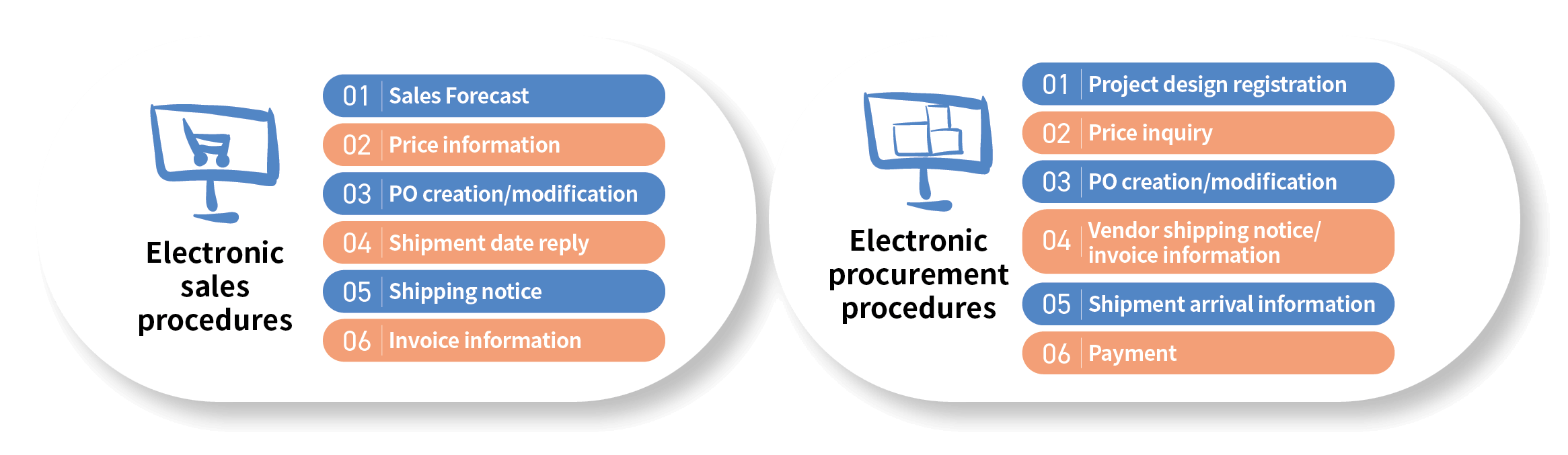
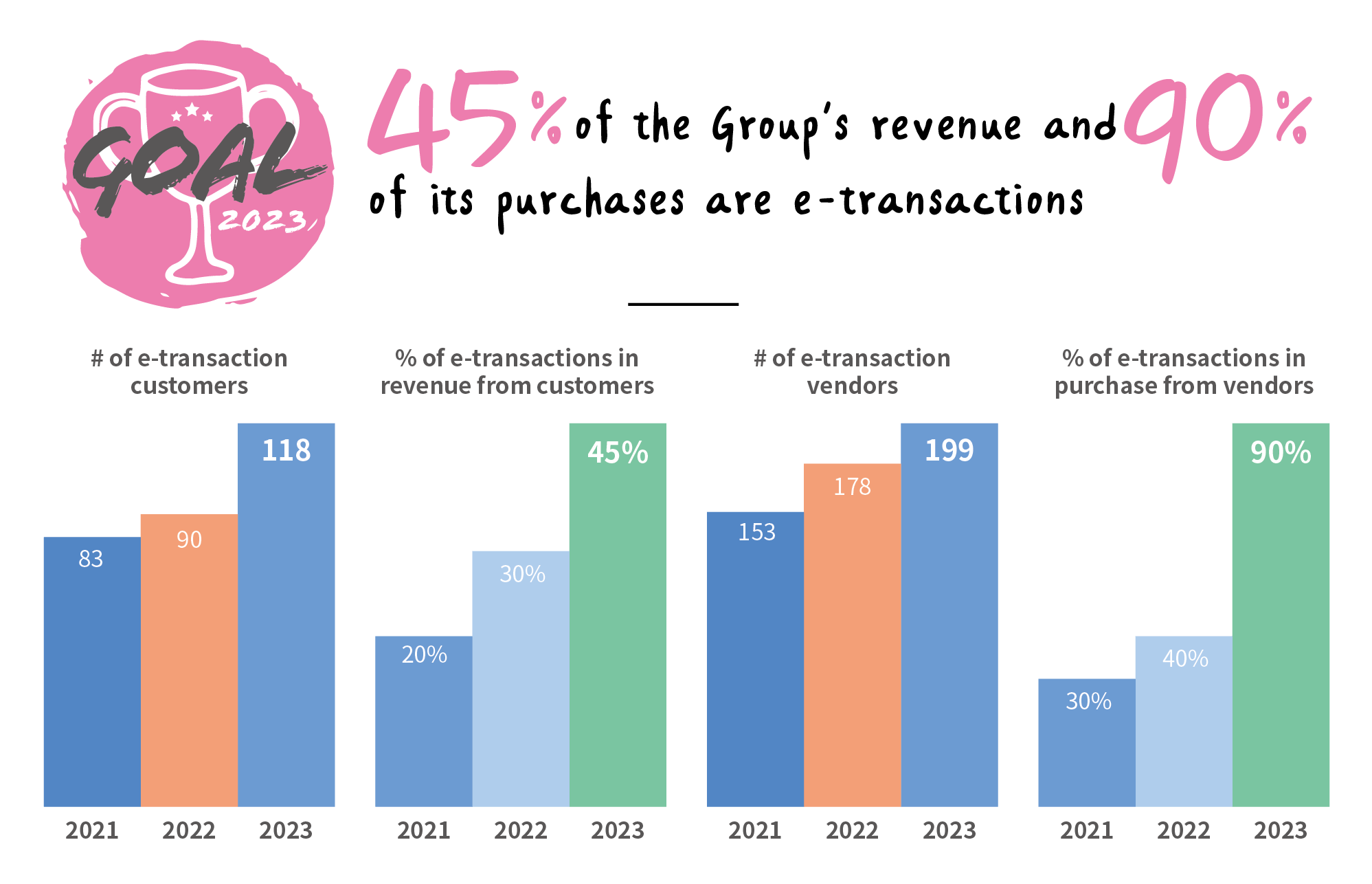
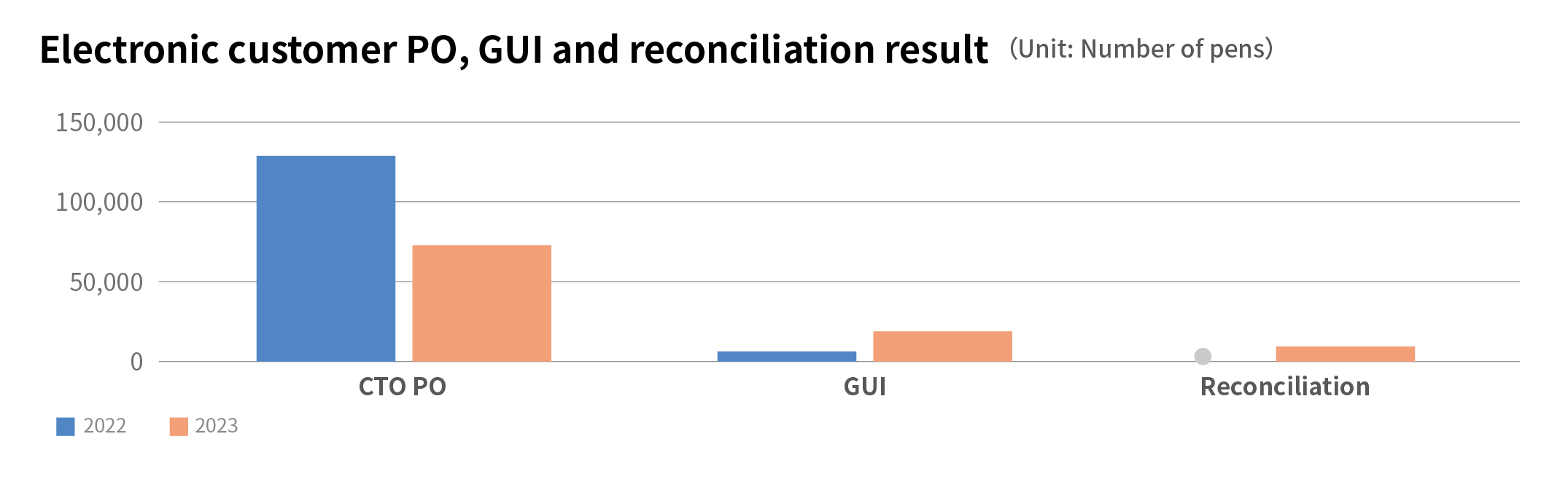
With more than 10,000 customers and vendors, WT has introduced an operating model featuring electronic transactions and data exchange to significantly improve employee's efficiency with digital sales and procurement procedures and with mutually agreed electronic exchange protocols that allow data interfacing. The following table shows the numbers of e-transactions with customers and vendors and their shares in revenue or purchase amounts in the past three years.


Digital transformation of operation and management procedures

Digitizing supply chain management

The complete establishment of a well-structured enterprise database, which was the Phase I goal of digital transformation, was followed by work on the supply chain operations such as procurement, stock and inventory management, customer order and shipment management in 2022. A trial run of some operation procedures and report management began in Q4 2022, and the optimized procedures have been gradually introduced in 2023 to improve processes such as procurement, shipment date reply, customer PO management, and paperless value-added tax invoicing.

Optimized processes and improved efficiency

Visual procurement decisions greatly improved work efficiency

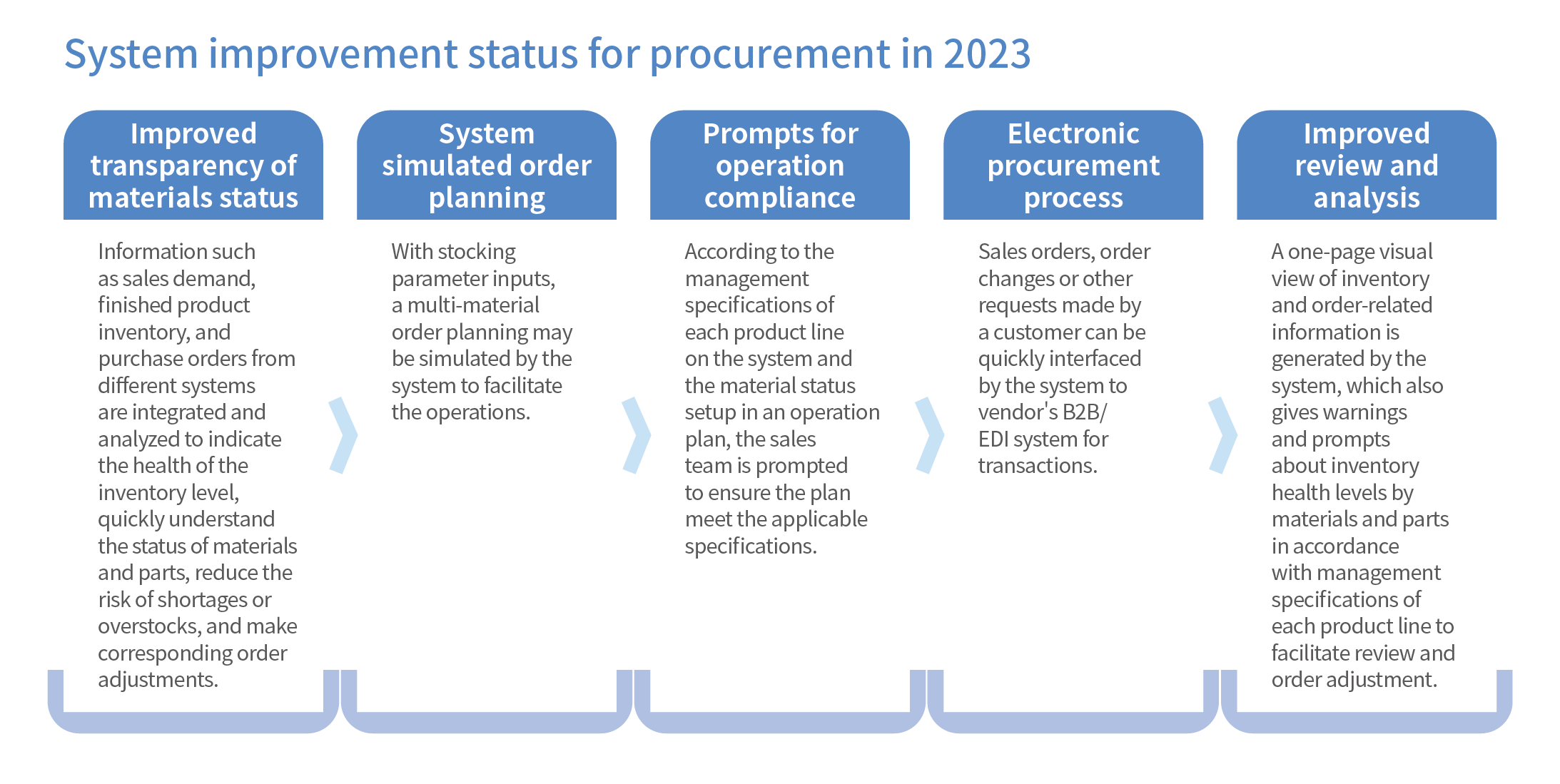
In 2023, a centralized procurement platform was created to provide a one-page view of the necessary information for procurement decision-making, so that the dedicated sales and procurement personnel and procurement approval supervisors can quickly determine and proceed with procurement-related procedures and approval, and reduce inventory risks. Electronic procedures for shipment date change request and order cancellation request were also introduced.

Customized reports are generated with software assistance to simplify operations and enhance management work

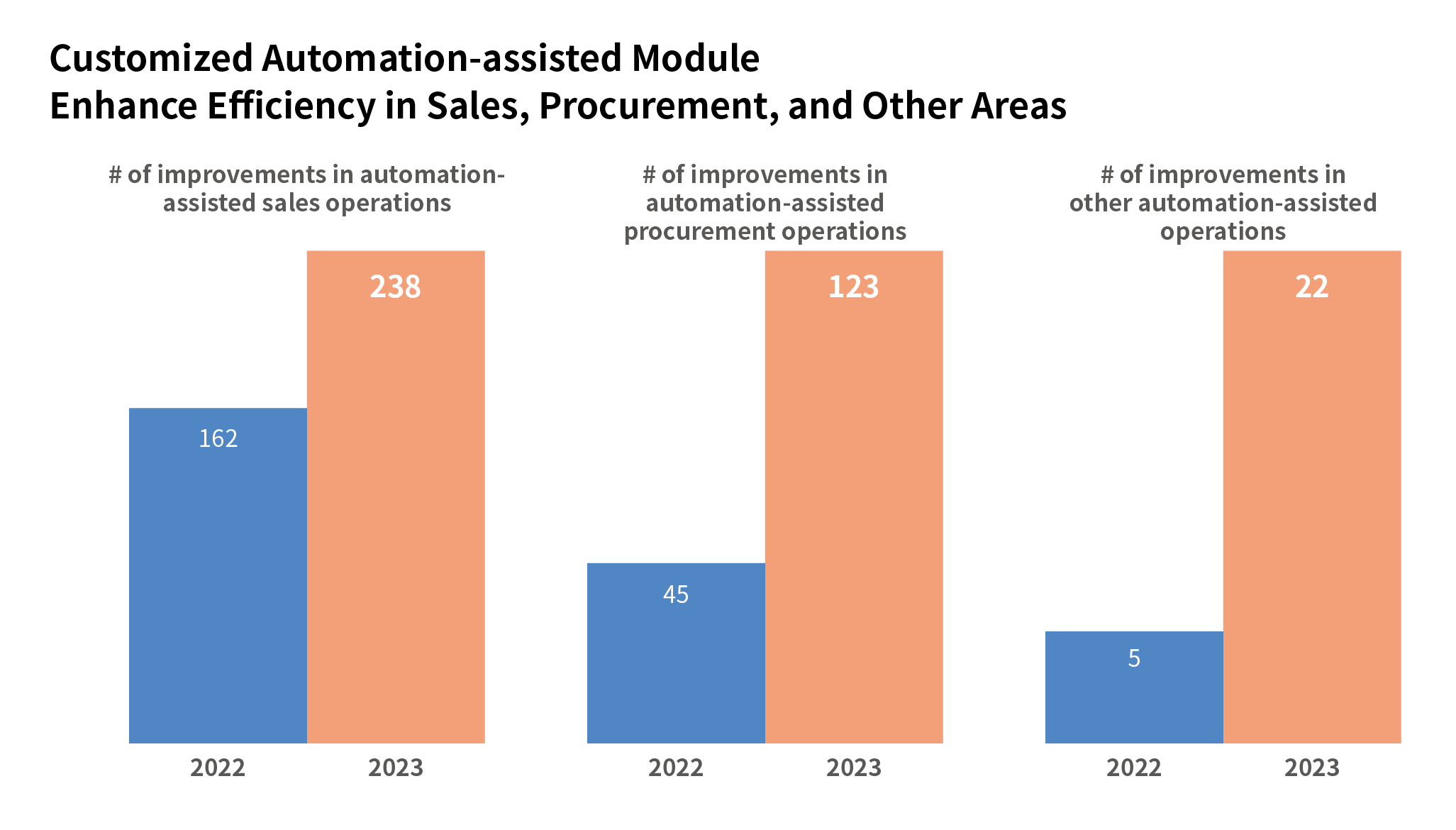
Supply chain management are increasingly performed on the system. In addition, a customized automation-assisted module using Excel VBA tools to export customized reports was introduced to improve employees' work efficiency and value by facilitating some time-consuming and labor-intensive tasks that require manual processing or customized reports.

Business dashboard for a quick grasp of practical work information

At WT, business dashboards are customized for users in different roles at different levels to meet their functional and decision-making requirements. Operational data automatically collected, sorted, and compiled on a daily basis by the system are made conveniently accessible via mobile devices or the Intranet to appropriate executives and employees, so that they are kept well-informed of the up-to-date operation status and trends and thus able to respond to and take action on any anomaly at the earliest possible moment.

Providing customers with comprehensive services

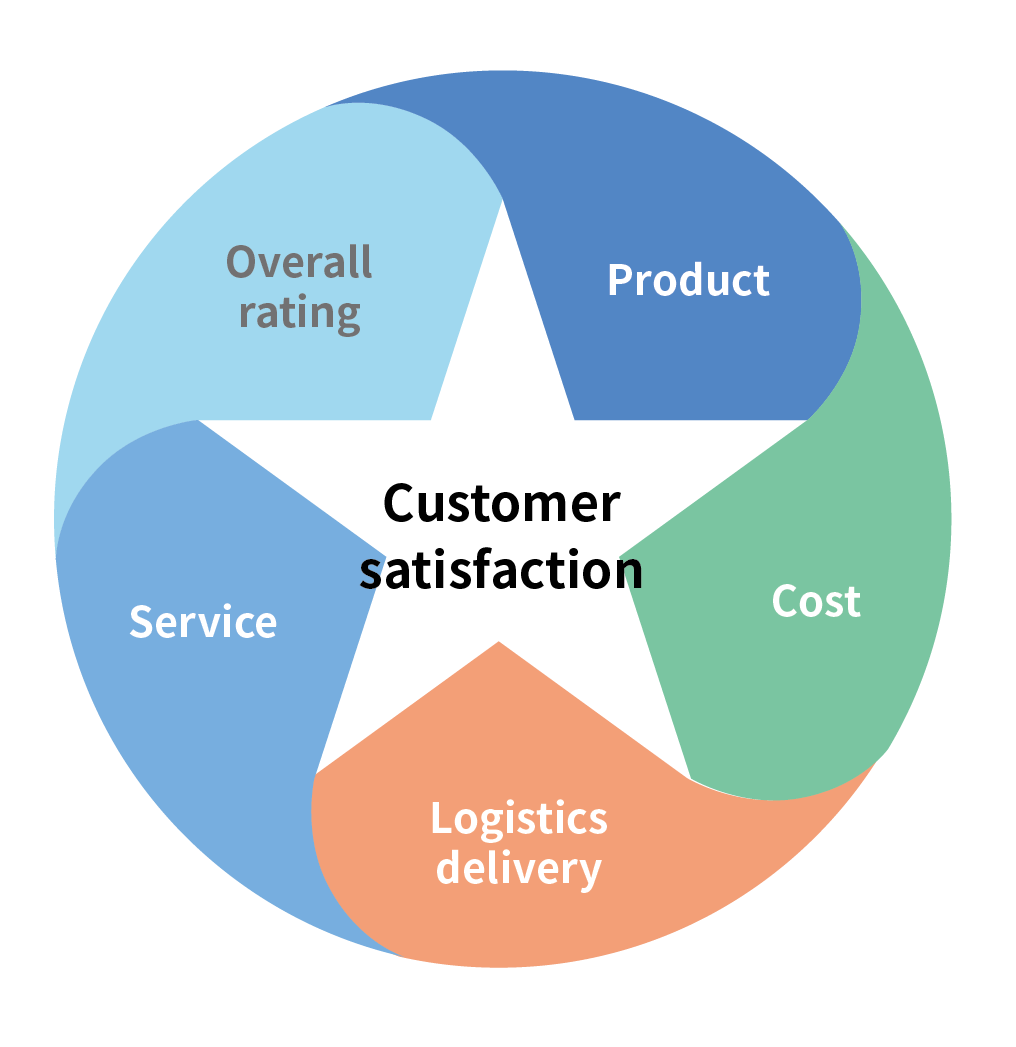
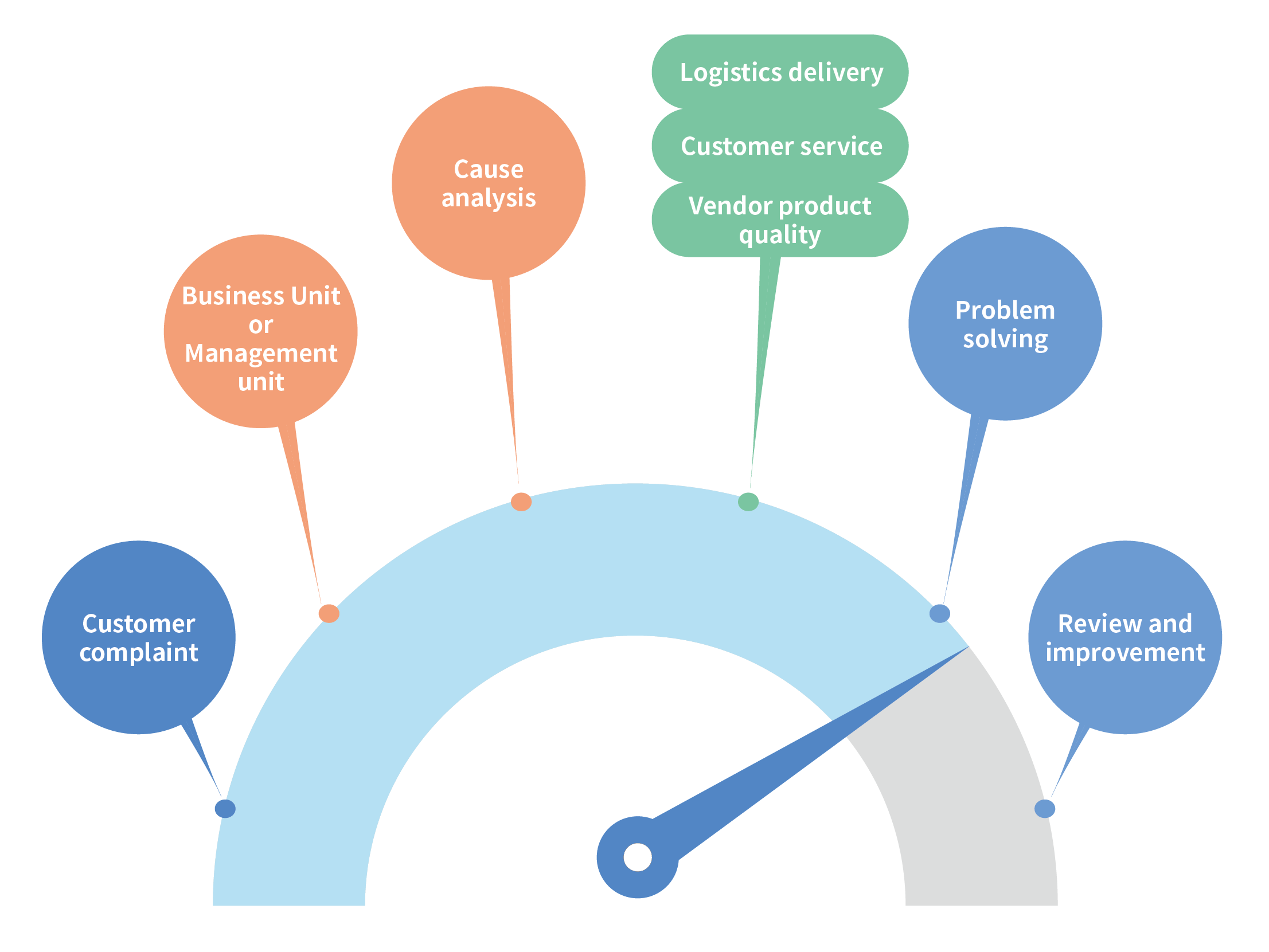
WT's sales representatives regularly communicate with customers about sales orders, shipment dates and other transactions related matters. There is also a customer complaint mechanism in place for customers to provide feedback about service quality, product shipment quality, or other abnormal events.In order to ensure the overall customer service quality, a plan to set up customer satisfaction survey system has been launched in 2023. Opinions will be collected through questionnaires from important customers and new customers in 2024 as a basis for WT to continuously improve its service quality. The survey will be divided into five major aspects to understand the satisfaction level of each aspect. In addition, the input from customers will be gathered, and an improvement solution for each problem formulated and followed to ensure service quality.WT has already a customer complaint procedure in place to collect customer feedback about products and services. The complaints are filed to the competent units to analyze the cause, and keep track of improvements. Not only a reply will be given to customers about how the complaint is eventually handled, but internal publicity or training will be strengthened to prevent similar incidents from recurrence.


Continued growth in 2023! 4% increase in the Group's operating revenue

WT’s consolidated net operating revenue was NT$594.5 billion in 2023, an increase of NT$23.3 billion or by 4%, from 2022. The net profit was NT$4 billion in 2023 and EPS was about NT$4.24 based on weighted average outstanding shares.

Optimistic outlook for long-term semiconductor market demand

2023 was a challenging year for the global semiconductor industry. The weak overall global economic environment, high inflation and high interest rates have intensified and extended the global semiconductor inventory adjustment cycle. Despite the challenges posed by the macro environment, the Company has demonstrated strong resilience. Facing the uncertainty of global economic recovery in the post-pandemic era, the rapid development of AI technology, the changes in the electronic product supply chain, and the increasing demand for energy conservation and carbon reduction brought about by climate change, the market demand and growth potential is expected to remain strong for the semiconductor sector in the long term. WT will continue to focus on high-growth products and applications such as third-generation semiconductors, electric vehicles, industrial control, energy management, green energy, cloud data centers, 5G communications, etc, as the rapid development of these application fields requires the supply of semiconductor components. To strengthen the foundation for sustainable business operations, WT will continuously improve its operational efficiency by optimizing the operation management system, enhancing its risk management, reinforcing its financial control system, upgrading its human resource management, and strengthening its ability to provide added values in the electronic components industry chain.

Continuously providing the best services to help customers achieve forwardlooking and sustainable product design

The industries and activities covered by Taiwan Sustainable Taxonomy activities are important global trends towards sustainable development. WT systematically manages the application fields of products it sells to consistently provide optimal services to meet its customers’ needs and assist them in developing forward-looking sustainable product designs.

WT has conducted an analysis to identify existing products that are in line with forward-looking economic activities specified by the Reference Guidelines for the Identification of sustainable economic activities in Taiwan Sustainable Taxonomy by the Financial Supervisory Commission. They are applications related to low-carbon transportation technology, high-efficiency equipment manufacturing and high-efficiency technology-related applications, and renewable energy installation. WT will continue to invest resources in these application fields to meet the goal of 20 percent operating revenue contribution from forward-looking economic activities by 2030.


Reinforce Corporate Governance

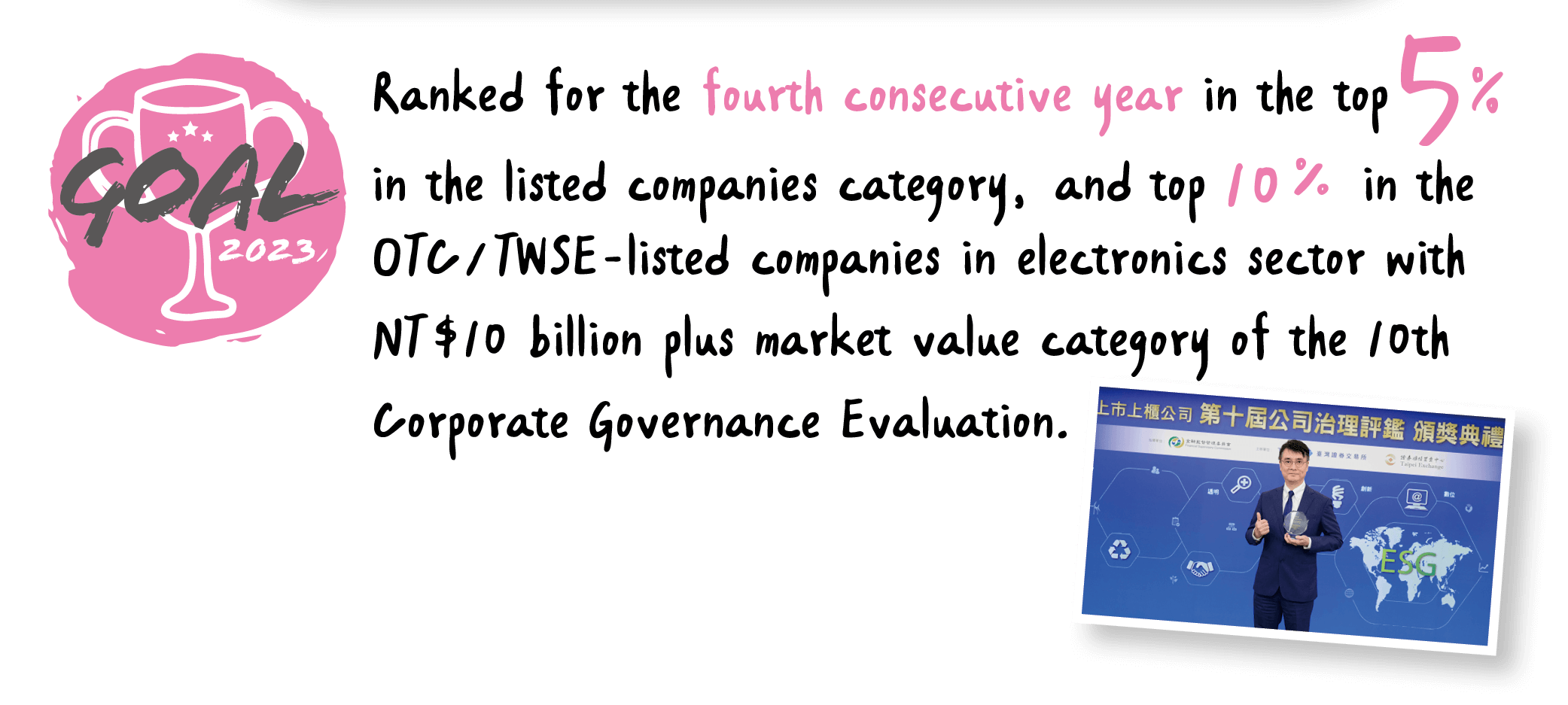
The Board of Directors is WT’s highest governance body. The Board of Directors are mainly responsible for monitoring the achievement of the Company’s operational goals and performance, providing strategic guidance to the management team, and overseeing the Company’s compliance with laws and regulations to ensure the best interests of its shareholders. In order to optimize the quality of the Board’ decisionmaking, there are a number of functional committees with different competence under the Board to effectively review the Company’s decisions on important issues and supervise their implementation.
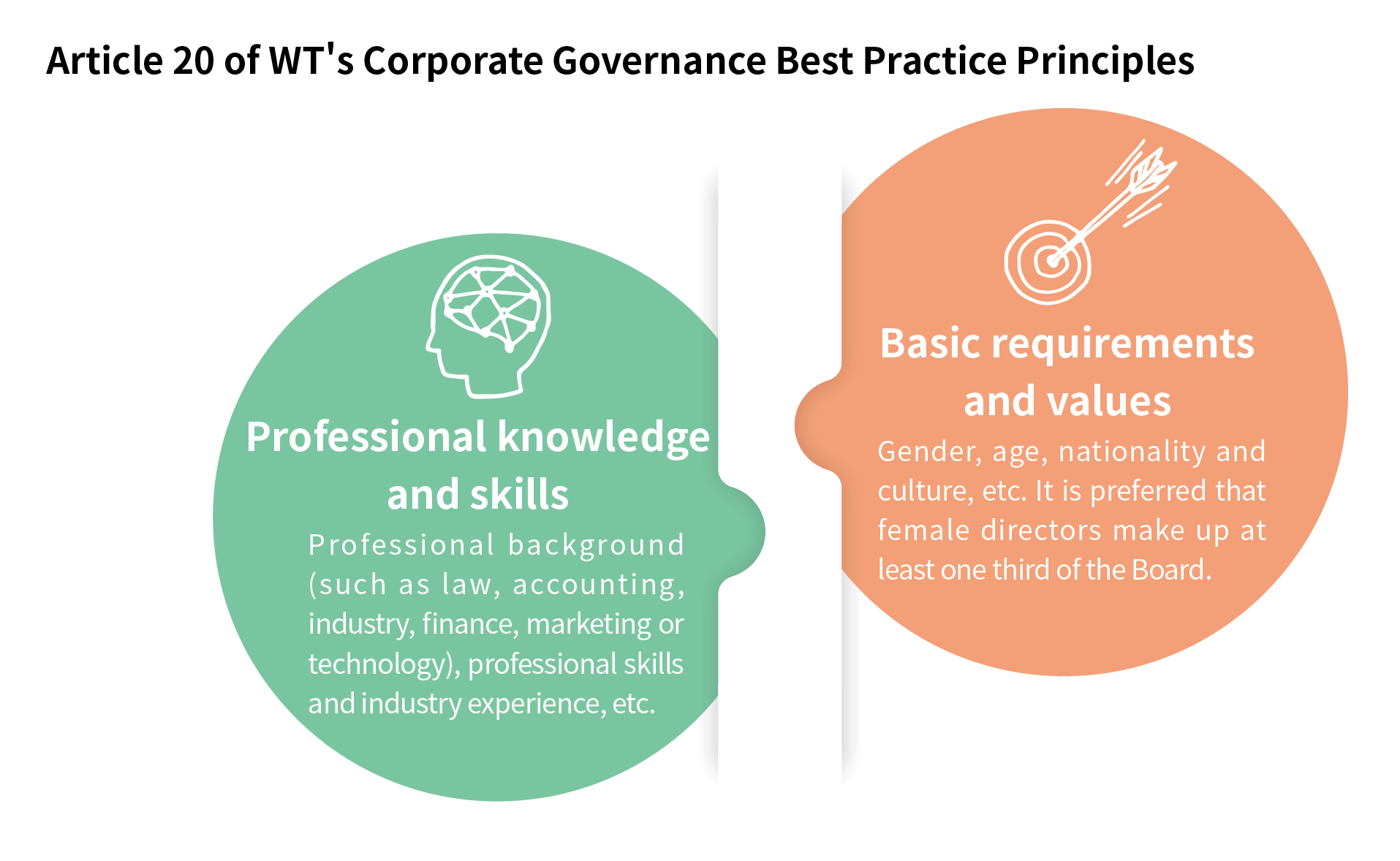
In addition to the Corporate Governance Best Practice Principles, WT has a diversity policy to meet the needs of the Board’s operational and developmental functions, while taking into account the Directors' professional knowledge and skills. Directors are elected at the shareholders’ meeting in accordance with the Rules for Directors Election. There were three functional committees under the Board: Audit Committee, Remuneration Committee and Risk Management Committee. In order to optimize and improve the Board’s functions and strengthen the management mechanism, WT began appointing a corporate governance supervisor in 2019 to handle matters relating to the Board meetings and shareholder meetings, assist the Directors in their orientation, continuing training, duty performing, and compliance with laws and regulations. For details, see Implementation of Corporate Governance in 2023.


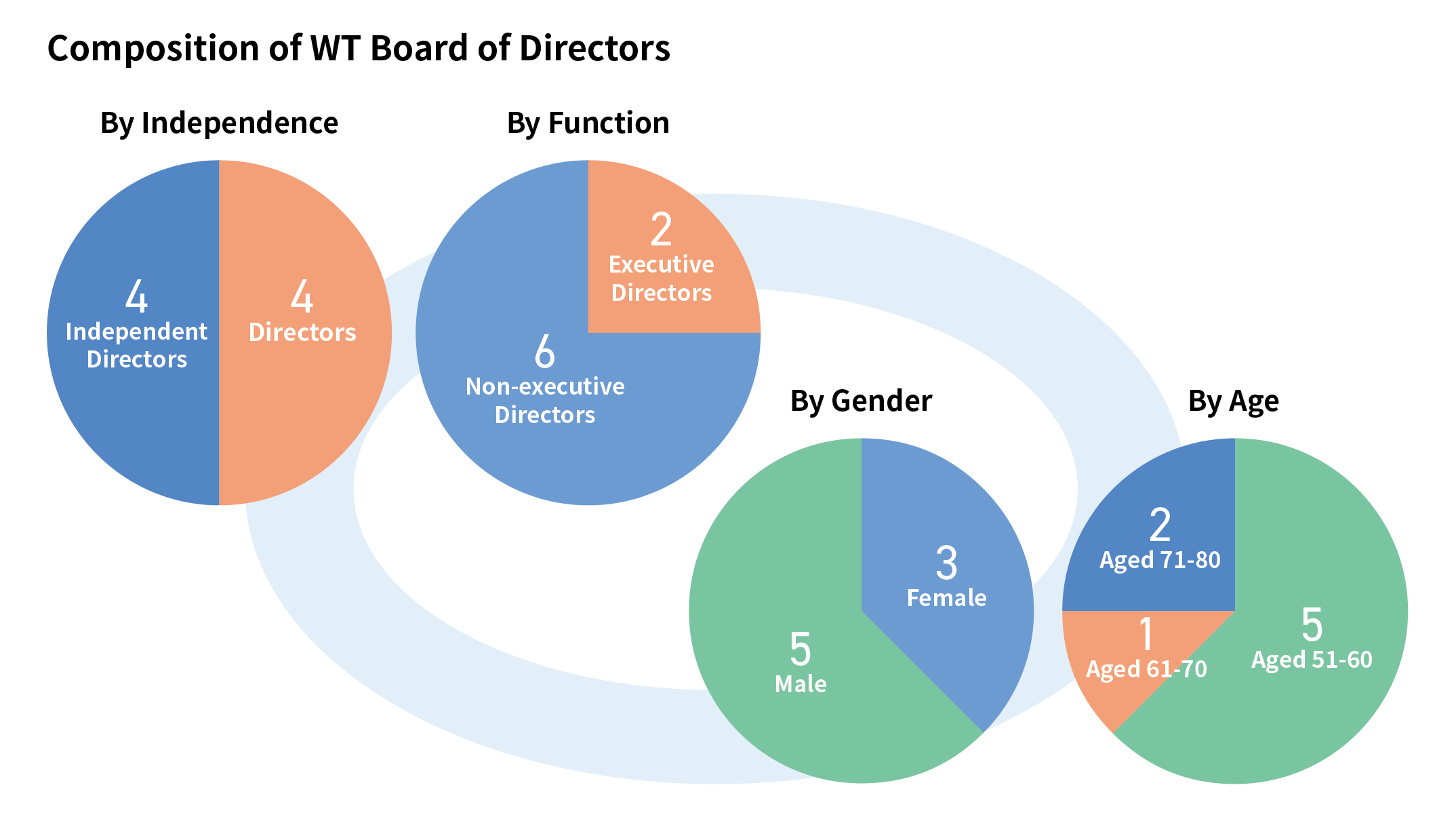
Independent directors making up half of the Board Enhance the Independence of the Board of Directors

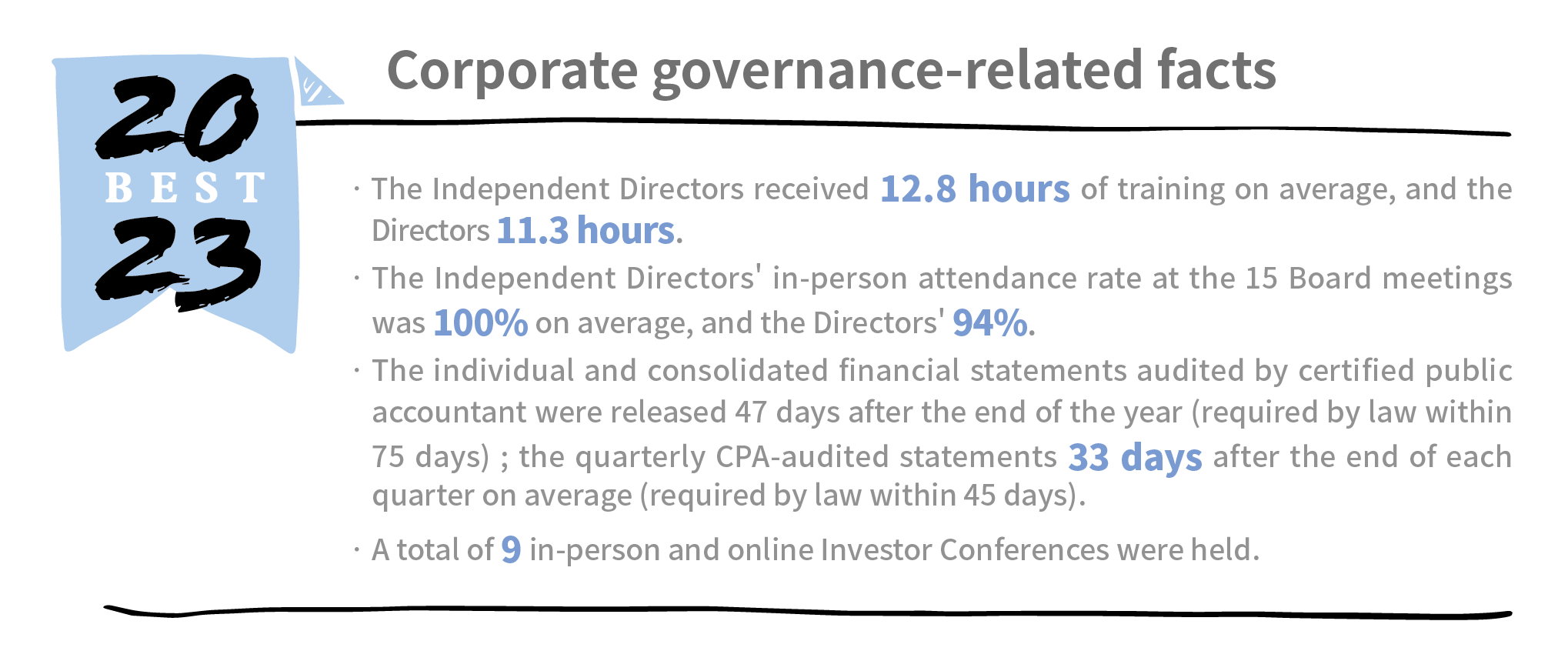
The Company’s Chairman concurrently serve as President to improve operational efficiency and the execution of decisions. In 2023, an additional Independent Director was by-elected as the eighth member of the Board by the annual shareholders meeting to strengthen the Board’s supervisory function. For the implementation of the Board Member diversity policy, see the Corporate Governance section (Organization and Responsibilities of the Board of Directors) of the WT official website. The Board of Directors meets at least once a quarter. In 2023, the Directors’ in person attendance rate at the 15 Board meetings was 94% , and the Independent Directors’ was 100%. Items falling into the nine types of matters specified in the Rules of Procedure for Board of Directors’ Meetings were submitted to the Board for discussion, including operating plans, financial reports, internal controls, chairman selection, fundraising, issuance of securities with equity nature, and other matters required by laws and regulations. A total of 55 major resolution were adopted in 2023. See Major Resolutions of Board Meetings under the Corporate Governance section for details.

To reduce the possibility of conflicts of interest between the Chairman and the other Directors, WT discloses information including the content of the items, the names of the interested Directors, and reasons for recusals in the annual reports, as required by Article 15 of the Rules of Procedure for Board of Directors’ Meetings. In addition, in compliance with the requirements of Taiwan Stock Exchange Corporation Operation Directions for Compliance with the Establishment of Board of Directors by TWSE Listed Companies and the Board’s Exercise of Powers, at least half of the Board Members are Independent Directors, and more than half of them are neither employees nor executives. Every year, WT arranges for each Director to attend professional director courses provided by external organizations such as Taiwan’s Securities and Futures Institute to improve the Board’s operational effectiveness. To implement corporate governance, Independent Directors may provide input and make suggestions in each functional committee for the Board’s information. In addition, information such as the existence of controlling shareholders and related party transactions is disclosed in the annual reports.

For detailed information on the members of the Board, the Audit Committee and other functional committees in 2023, including their age range, experience, tenure, concurrent positions in other companies, as well as relevant information on their Board meeting attendance rate, continuing education status, and recusals record, see Chapter 3: Corporate Governance Report of WT’s 2023 Annual Report for the description of implementation status of recusals of Directors.

Audit Committee members are hands-on with 100% attendance

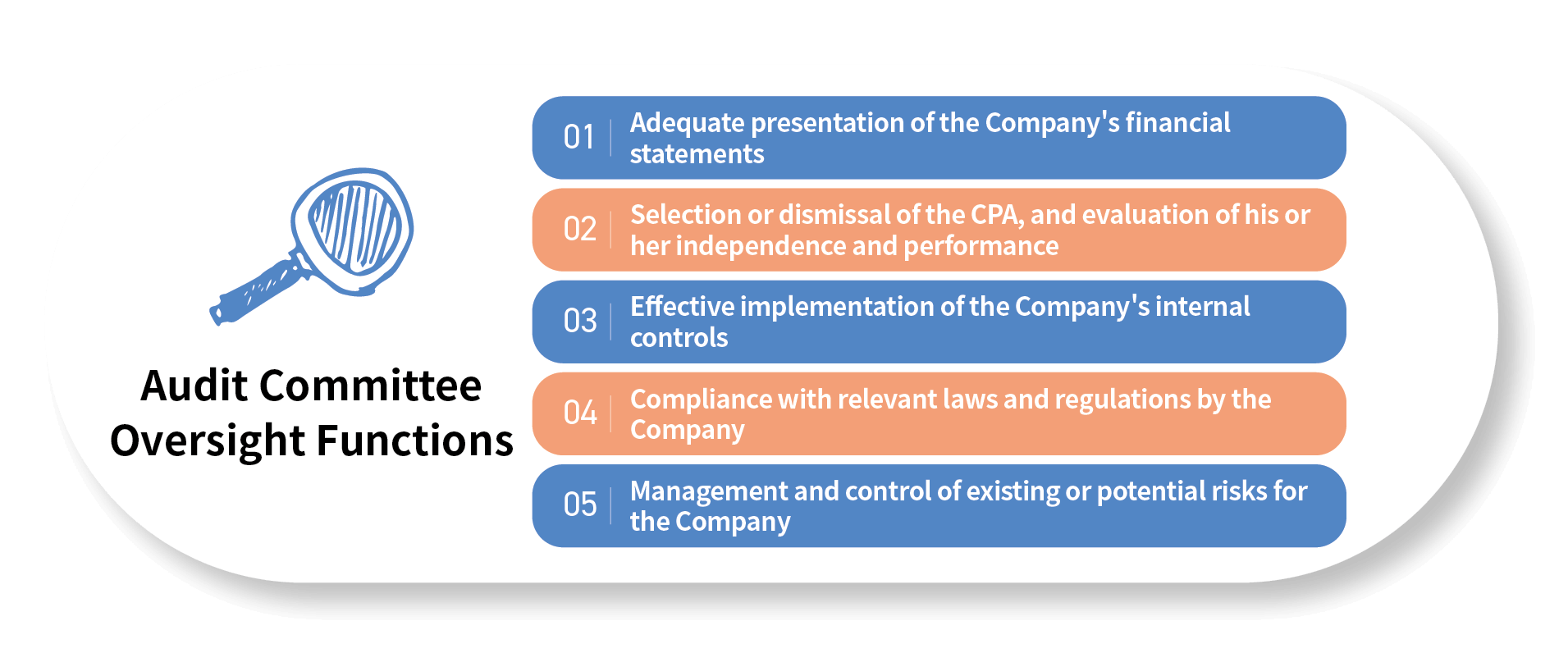
The Audit Committee is composed of all Independent Directors. With one Independent Director byelected in 2023, there are currently four Committee members, with Kung-wha DING serving as the convener and chairman. The Committee meets at least once every quarter. The accountant must communicate fully with the Independent Directors on audit planning, audit, and audit results. The Internal Auditing Officer presents the implementation status and other matters to the Audit Committee at every non-emergency meeting. In 2023, a total of fourteen Audit Committee meetings were held with all members having a 100 percent in-person attendance rate. For detailed information, see the Operation of the Audit Committee in 2023.

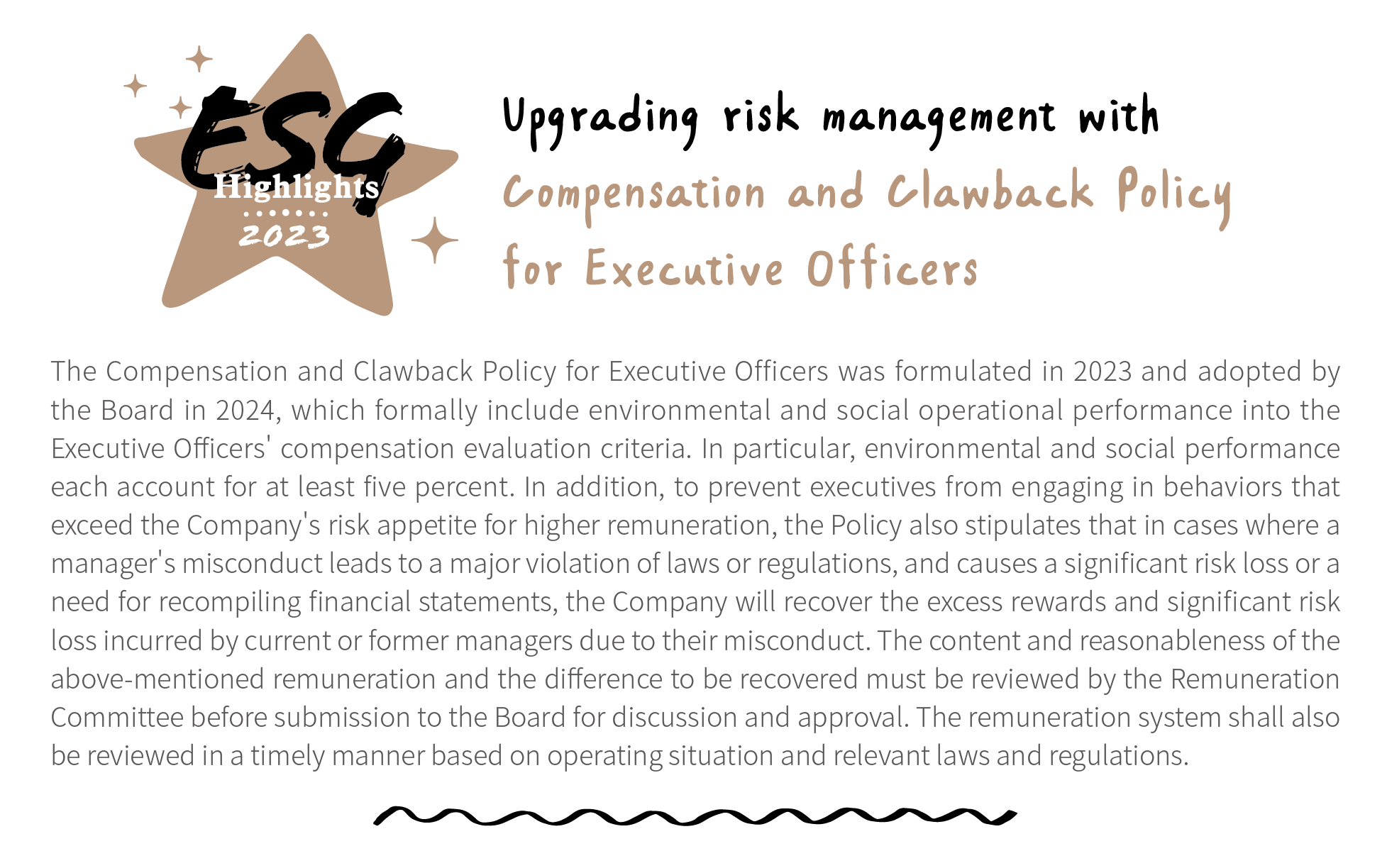
Improved executive compensation management system Establish the Regulations Governing the Share Ownership of the CEO and Non-Executive Directors

The Remuneration Committee is composed of three Independent Directors. The purpose of the Committee is to take into account the Company’s operational performance, make objective and professional recommendations to the Board, and assist the Board in implementing and evaluating the Company’s overall compensation and welfare policies. In addition, the remuneration of directors and executives is determined and reviewed in accordance with the Director and Functional Committee Remuneration Payment Guidelines and the Regulations Governing Compensation Payment of Executive Officers as necessary to strike a balance between sustainable management and risk control. In 2023, a total of four Remuneration Committee meetings were held with all members having a 100 percent in-person attendance rate. For detailed information, see the Operation of the Remuneration Committee in 2023.


The Regulations Governing the Share Ownership of the CEO and Non-Executive Directors in 2023 to encourage the CEO and non-executive Directors (excluding Independent Directors) to hold an appropriate amount of the Company’s stocks for a long period, so that their performance could be consistent with shareholders’ interests and they could share the Company’s operating results with shareholders.
In 2023, the General Manager’s total annual pay (NT$23,400,000) was 19.8 times of the median
(NT$1,180,574) of that of the employees (excluding the General Manager) who have worked for more than six months in 2023 at the Taiwan headquarters and the four subsidiaries including Morrihan, Nuvision Technology, Maxtek Technology, and Techmosa. The General Manager’s pay increase from 2022 to 2023 was -71.6 times of the employees’ median pay increase at the Taiwan headquarters including the four mentioned subsidiaries. The ratio was negative as there was a negative increase in the General Manager’s total pay during the period. The total pay included the basic monthly salary and variable bonus and excluded the stock ownership trusts. Only the employees who have been employed throughout both 2022 and 2023 were taken into account for the median calculation to prevent discrepancies between the statistical median and the actual situation caused by issues such as incomparability of the pay increase of those who have not received a full year’s remuneration in both years (including new hires in 2022 or departures in 2023), and the absence of remuneration increase data for the new hires in 2023.


Two new committees, both with more than half of the members being Independent Directors

The Sustainable Development Committee was established in November 2023 to supervise and manage the implementation of sustainable development. At least three of the Committee members shall be appointed by the Board, and more than half must be Independent Directors. The Committee currently has five members. They are the Chairman, one Director and three Independent Directors. Its first convener and chair is Director Kerry Hsu. There are two functional groups under this Committee: Sustainable Development Team, headed by Chief Sustainability Officer Willie Sun, and Risk Management Team, headed by Chief Financial Officer Cheryl Yang.

The Nominating Committee was established in November 2023 to assist the Board in developing and managing human resource strategies for Directors and senior executives through fair and transparent procedures. At least three of the Committee members shall be appointed by the Board, and more than half must be Independent Directors. The Committee currently has three members. They are the Chairman and two Independent Directors. Its first convener and chair is Chairman Eric Cheng.

Board and functional committee performance assessment

WT has formulated the Rules for Board of Directors Performance Assessments in 2016, which clearly stipulates that the Board shall be evaluated at least once a year, and its performance must also be assessed once every three years by an external professional independent institution or an external team of experts and scholars. The assessment results must be reported to the Board, and be used as a reference to determine individual directors’ remuneration payment and nomination for the Board re-election.
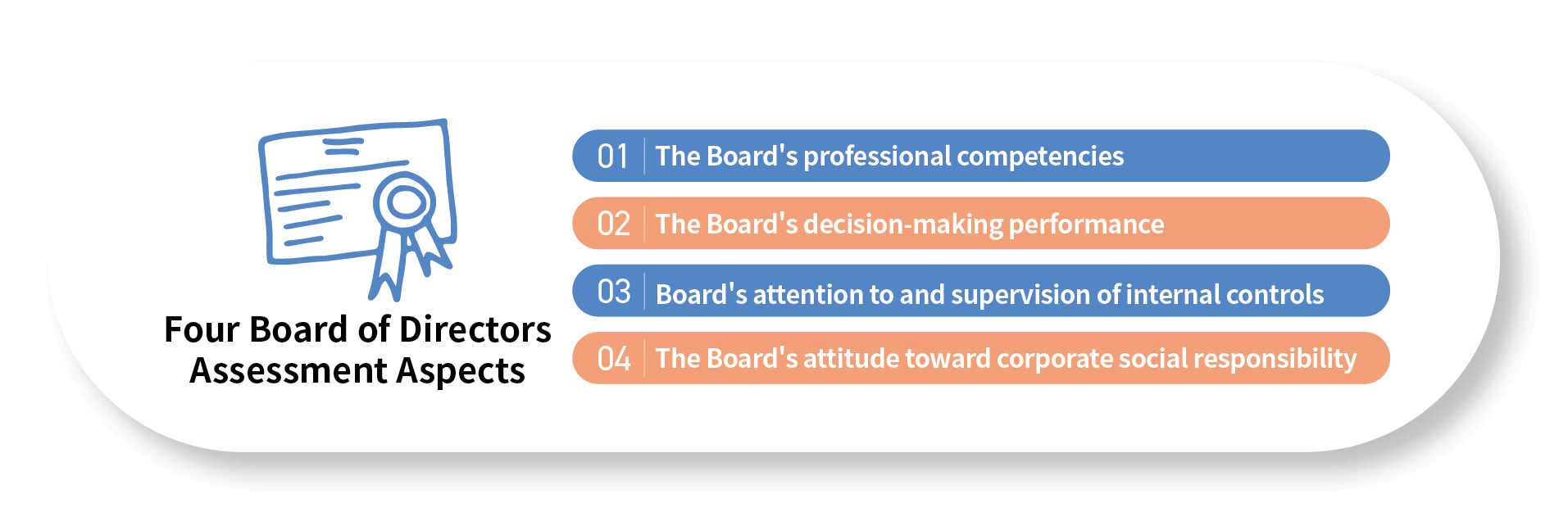
In 2023, Taiwan Institute of Ethical Business, an external professional institute, was commissioned to assess the Board’s performance. The Institute and its executive experts have no business dealings with WT and thus are independent. The assessment was conducted through document review, questionnaires and on-site interviews with the Directors in four major aspects. The assessment concludes with two specific recommendations: 1) Increase the Independent Directors’ understanding of the operations of overseas subsidiaries and deepen their interaction with the executives; 2) Continue to implement the Company’s sustainable management goals. The internal and external assessment results were discussed at the Board meeting on February 16, 2024, which agreed to optimize WT’s corporate governance implementation by making the recommended improvement. For detailed information, see The implementation of external board performance evaluations.


Rigorous internal auditing to ensure integrity and objectivity

In WT, the Internal Audit Department is an independent unit under the Board. The appointment and dismissal of the Company’s internal audit supervisor are approved by the Audit Committee and passed by the Board. The appointment, dismissal, evaluation, review, salary, and compensation of internal auditors are handled in accordance with the Corporate Governance Best Practice Principles, and shall be submitted by the internal audit supervisor to the Board Chairperson for approval. The internal auditors are evaluated and reviewed once a year.

The purposes of internal audits are to assist the Board and executives in inspecting and reviewing defects in the internal control systems and measuring operational effectiveness and efficiency, to make timely recommendations for improvements to ensure the sustained operating effectiveness of the systems, and to provide a basis for review and correction.


Self-monitoring to enhance system adaptability

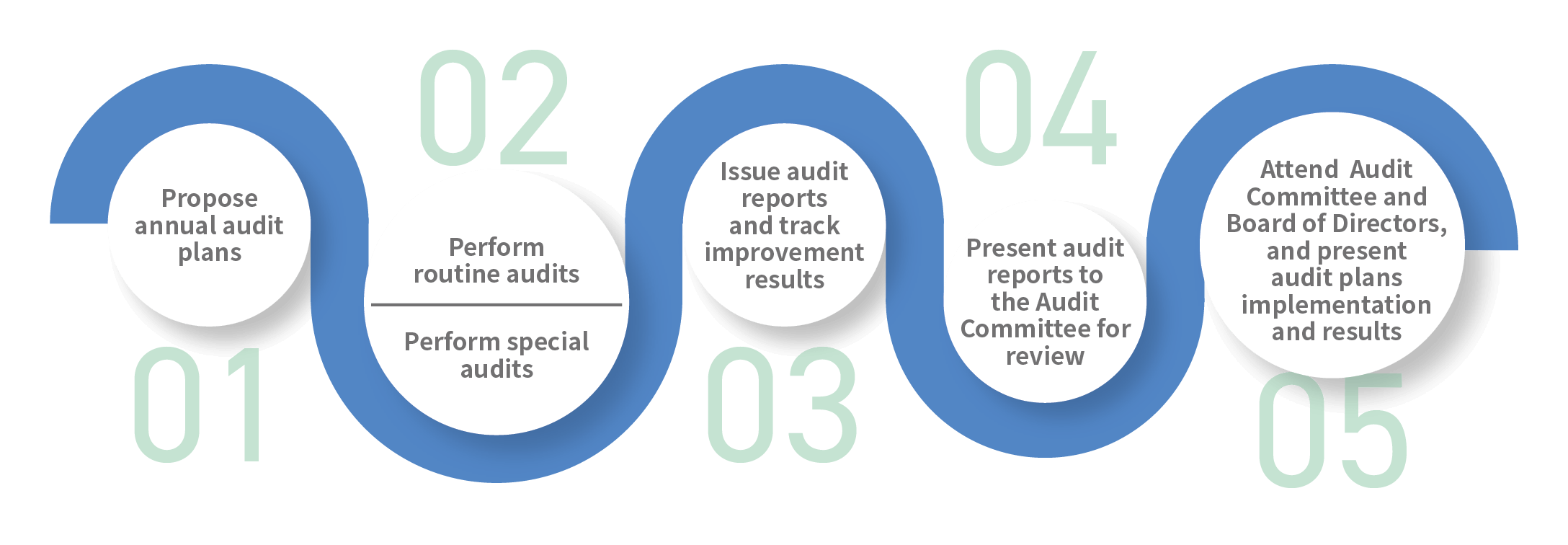
Regular internal audits are performed according to the annual audit plans, which is passed by the Board and based on identified risks. Special audits may be performed on a project basis when necessary. After an audit is concluded, the audit report and followup report are submitted for review to the Audit Committee before the prescribed statutory dates. The audit supervisor shall attend regular Audit Committee and Board meetings to report on the status and results of audit execution.

All internal departments and subsidiaries are to conduct self-assessments once a year and implement the Company’s self-monitoring mechanism. The design and implementation of the internal control system are adjusted in a timely manner in response to changes in the environment. The self-assessment reports are reviewed and approved by internal auditors, and the self-assessment results and audit discoveries provide a basis for the Board and General Manager to produce Internal Control System Statements.
WT has established an internal control system related to the management of financial and non-financial information in accordance with the Regulations Governing Establishment of Internal Control Systems by Public Companies, and has incorporated the preparation of sustainability reports into the internal control system for management. The Company’s management also exercises due diligence to ensure the quality of Sustainability Report.


Operational efficiency was improved toward low-carbon services

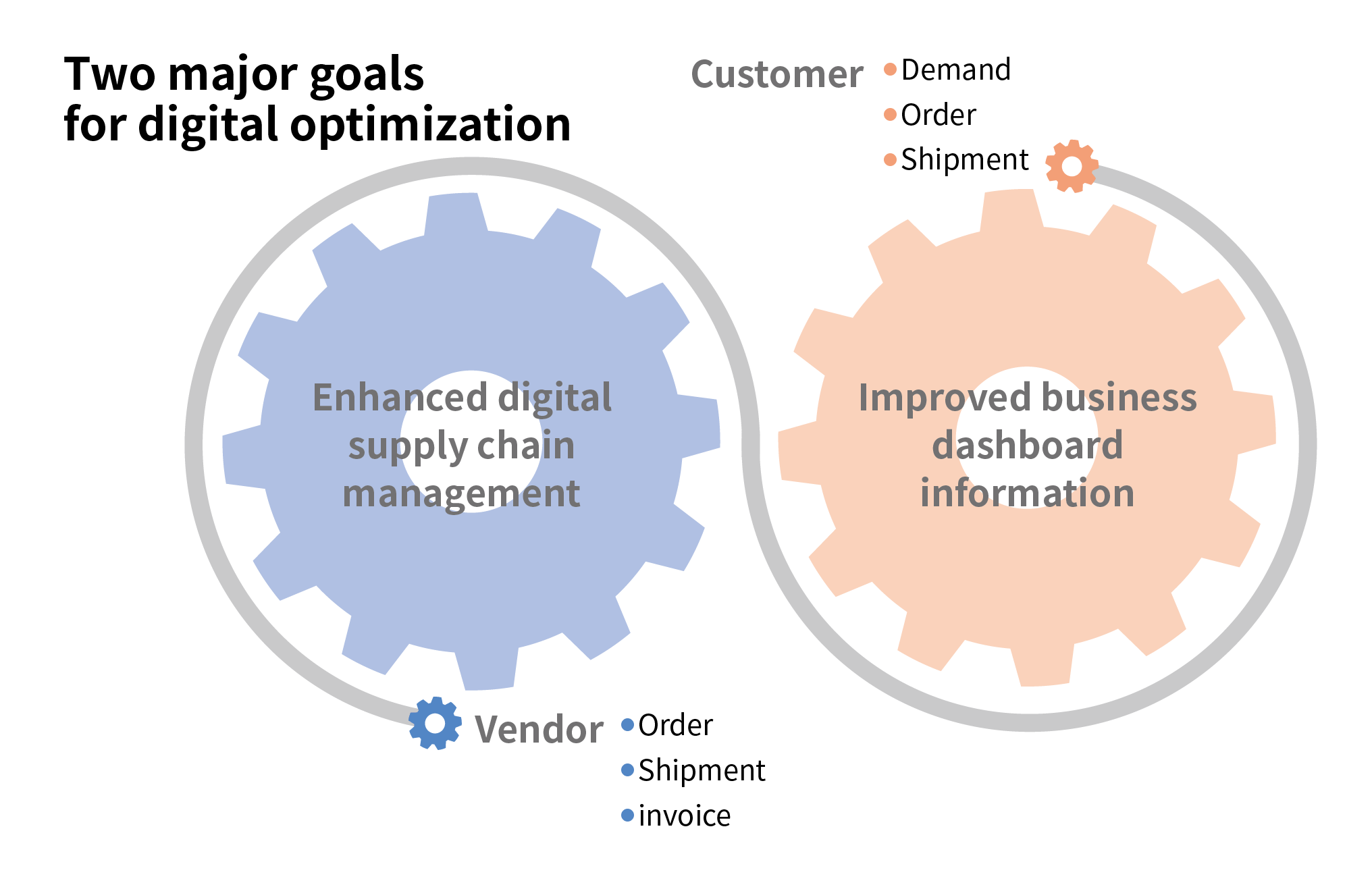
Following the establishment of a well-structured enterprise database‭, ‬which was the Phase I goal of digital transformation‭, ‬the‭ ‬Phase II kicked off in 2022‭ ‬to introduce digital tools and technologies for a comprehensive review and analysis of supply chain‭ ‬operations such as procurement‭, ‬stock and inventory management‭, ‬customer order and shipment management‭. ‬Along with relevant digital tools and system development‭, ‬the trial run of some operation procedures and management reports started in Q4‭ ‬2022‭ ‬with the‭ ‬full introduction expected in 2023‭.‬

Introduction of RPA‭, ‬B2B/EDI and automation further enhances operation efficiency

To improve the existing manual handling with RPA and automated procedures‭. ‬A total of 100‭ ‬vendor-related operating procedures and management reports‭, ‬including price request and maintenance‭, ‬procurement operations‭, ‬project registration and maintenance‭, ‬and‭ ‬273‭ ‬customer-related operating procedures and management reports‭, ‬including order and shipping operations‭, ‬delivery management‭,‬‭ ‬and sales forecast‭, ‬have been automated to meet the customized operation requirements of different vendors and customers‭. ‬As a‭ ‬result‭, ‬the working time of relevant personnel was greatly reduced‭, ‬and the feedback turnaround time and service quality were effectively improved‭ .‬

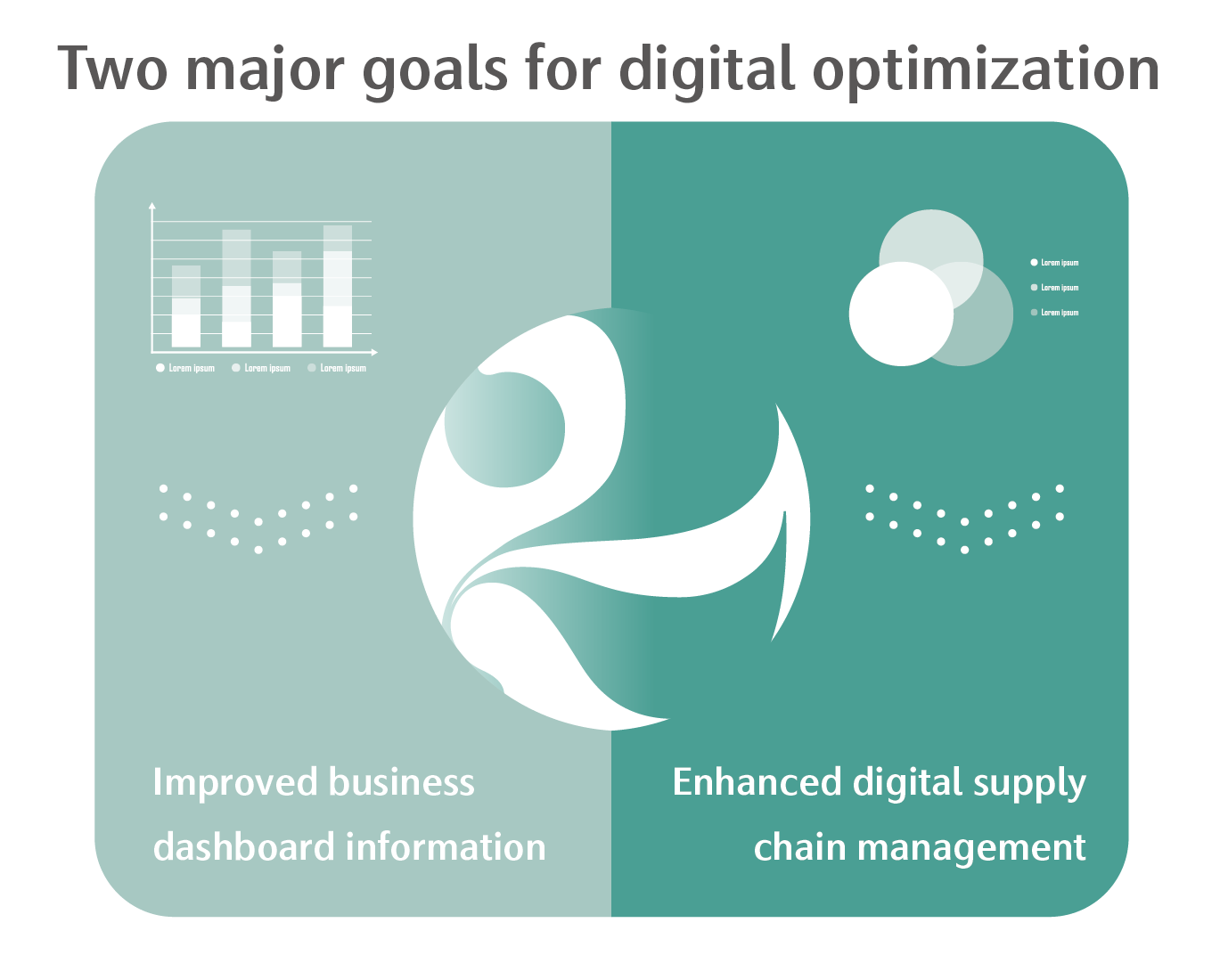
Improved Business Dashboard Information

At WT‭, ‬business dashboards are customized for users in different roles at different levels to meet their individual functions and decision-making requirements‭. ‬Operational data automatically collected‭, ‬sorted‭, ‬and compiled on a daily basis by the system are made conveniently accessible via mobile devices or the Intranet to appropriate executives and employees‭, ‬so that they are kept‭ ‬well-informed of the up-to-date operation status and trends and thus able to respond to and take action on any abnormality at the earliest possible moment‭.‬

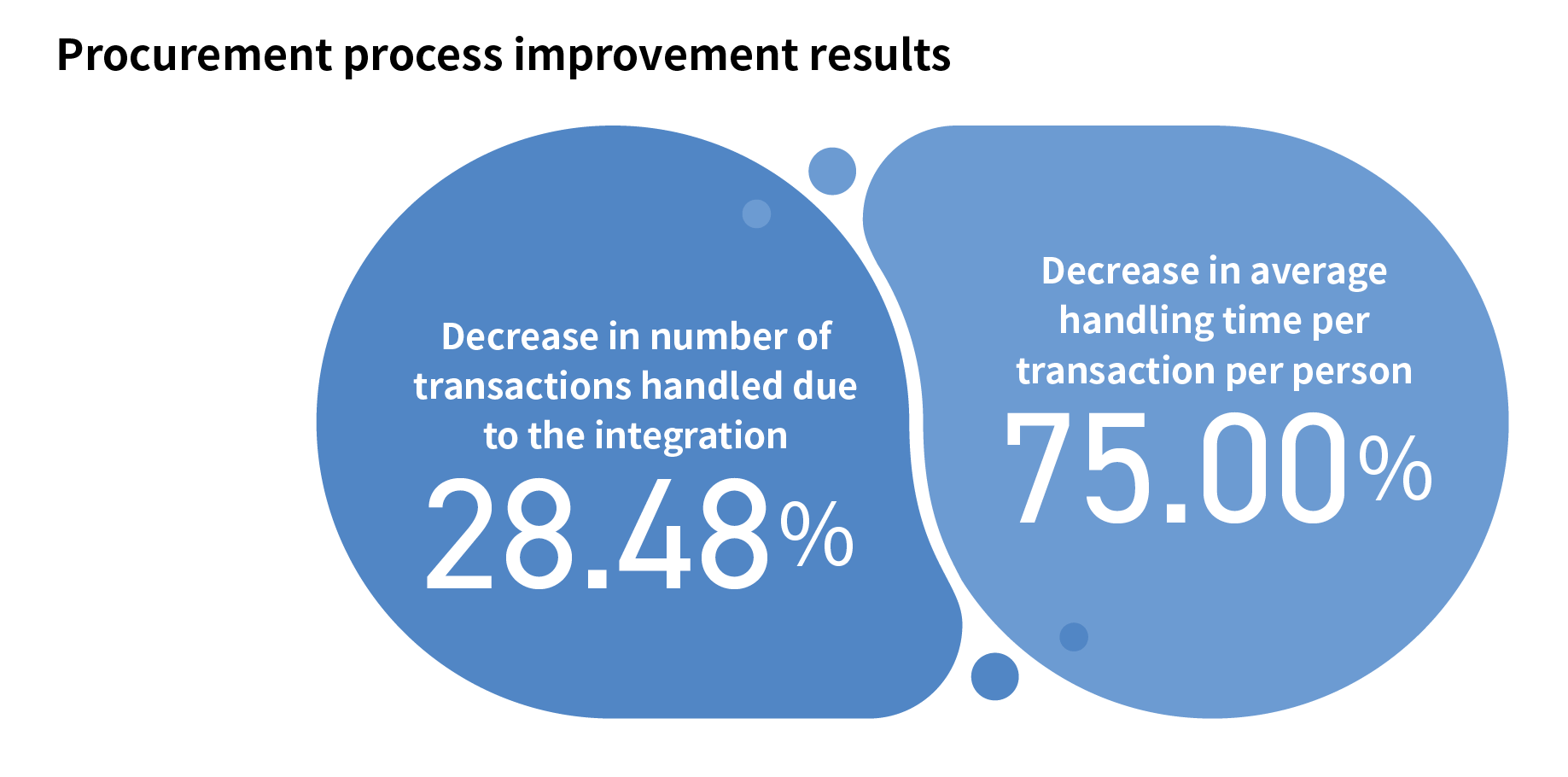
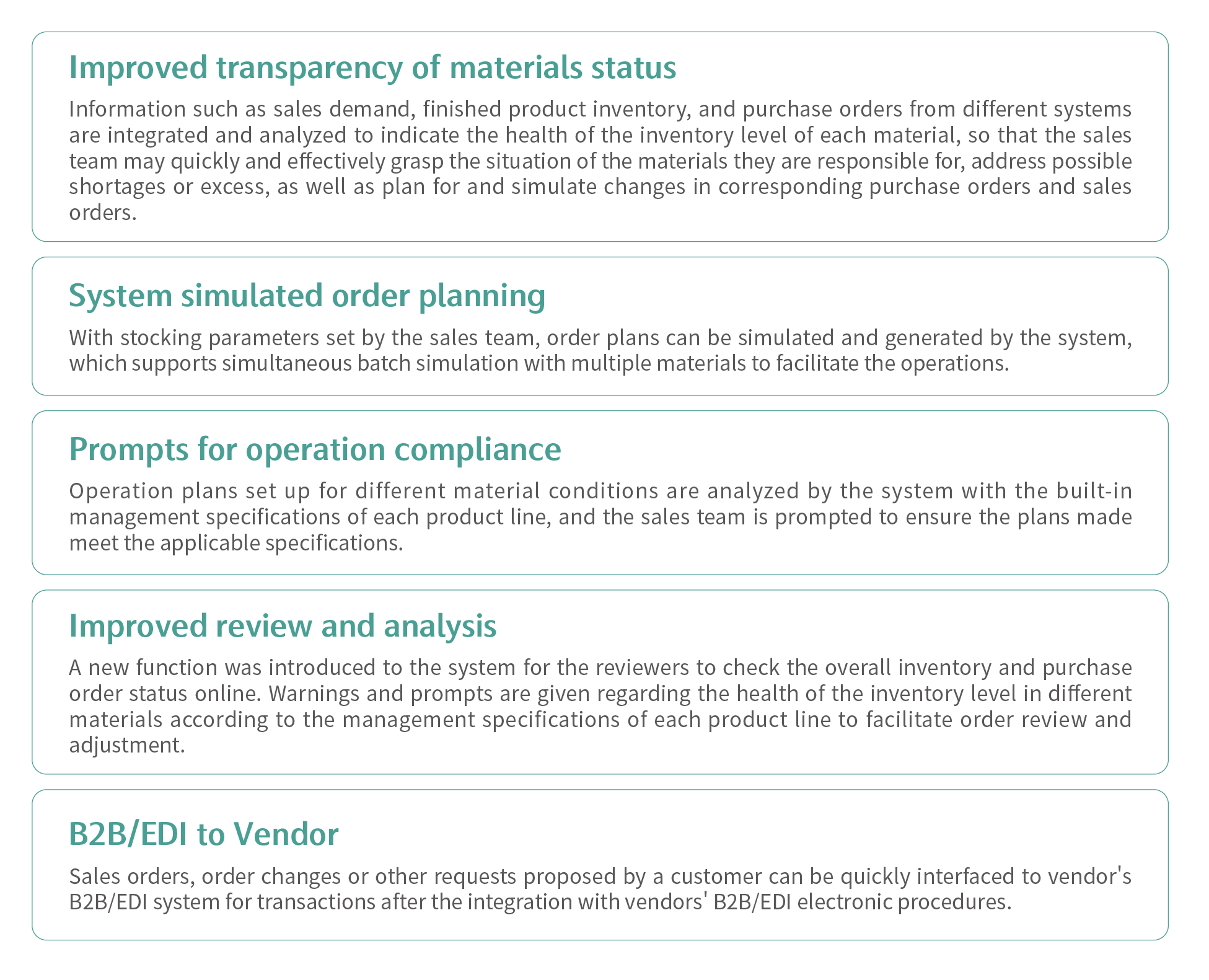
Digitization achievements in procurement, stock and inventory management procedures

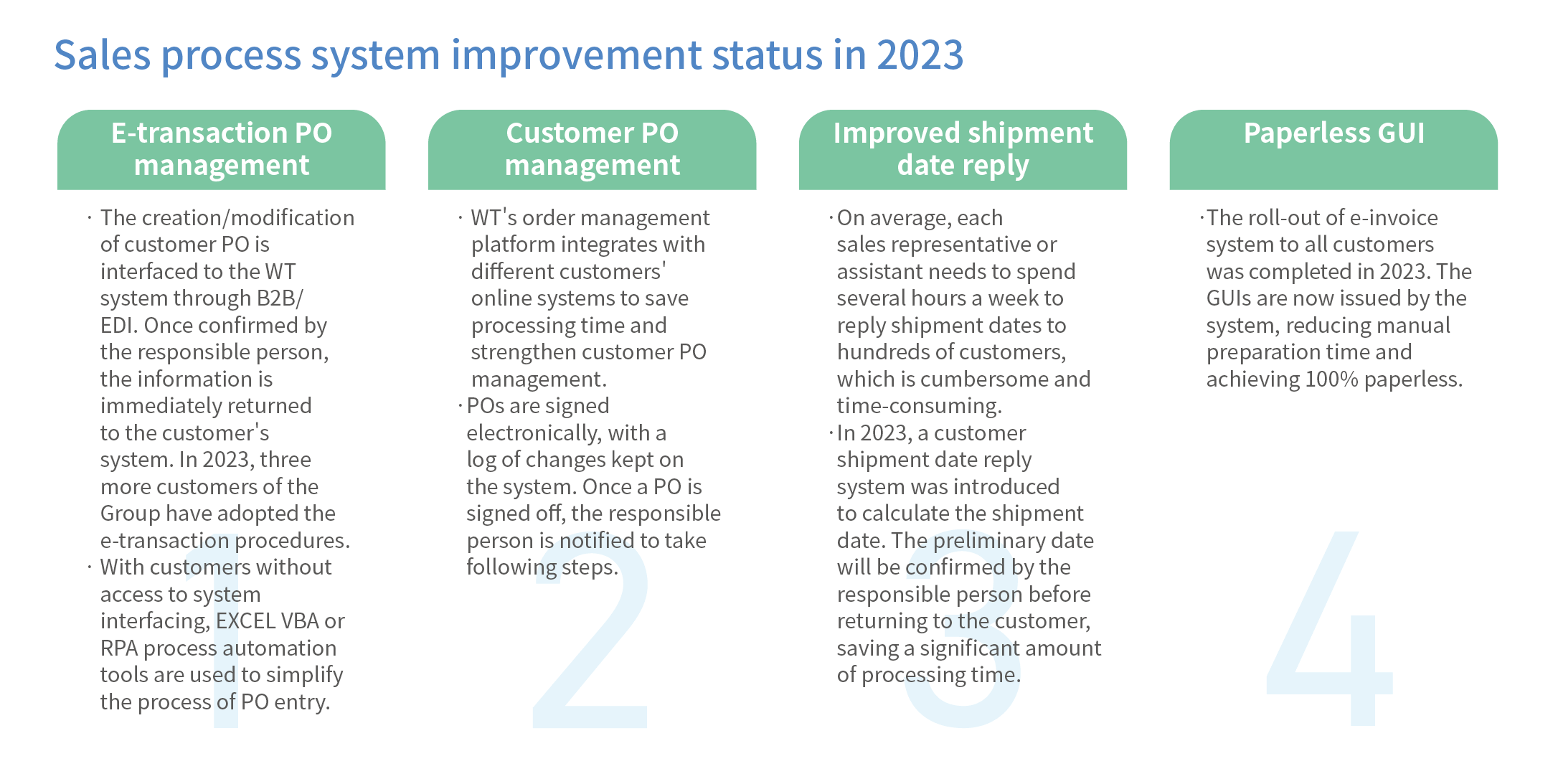
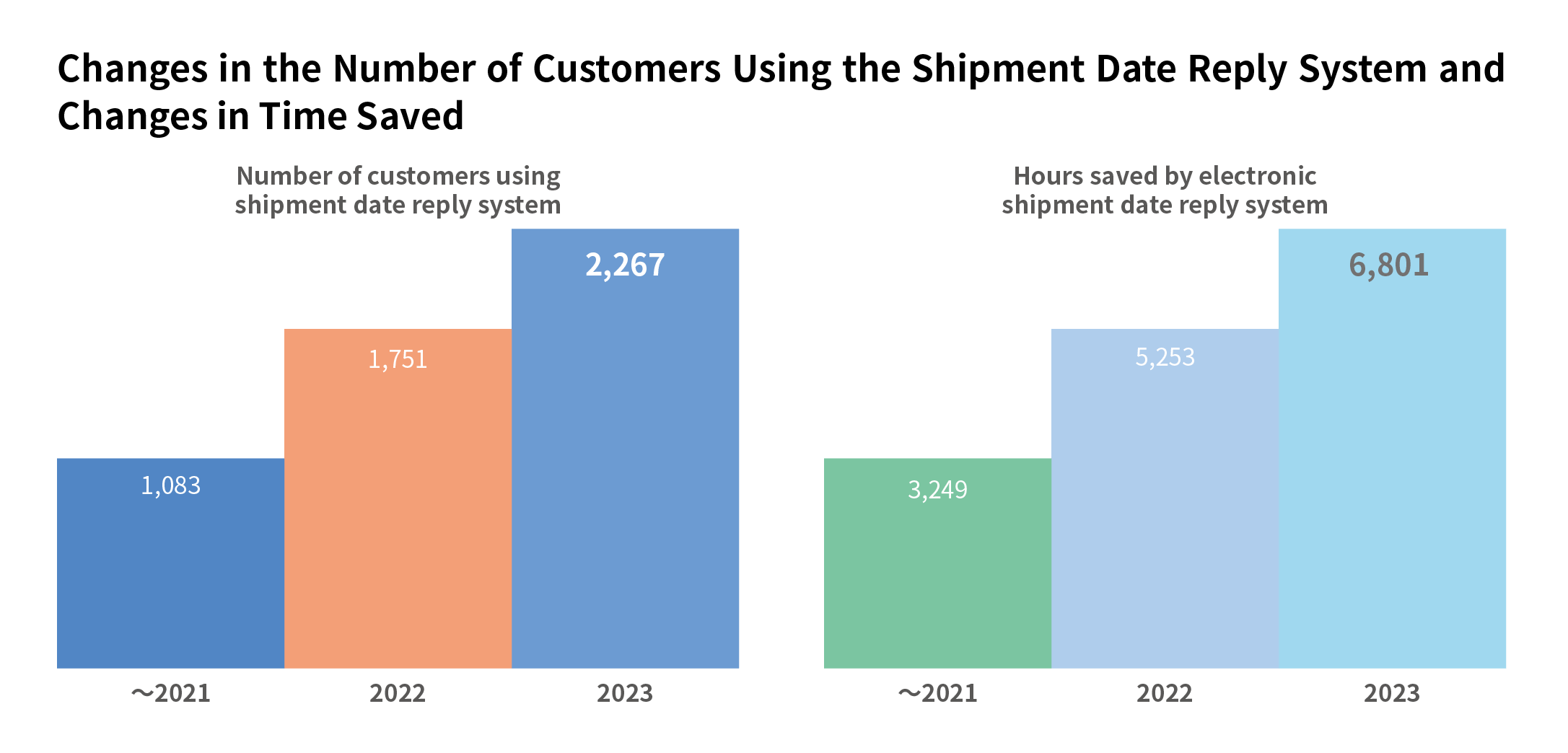
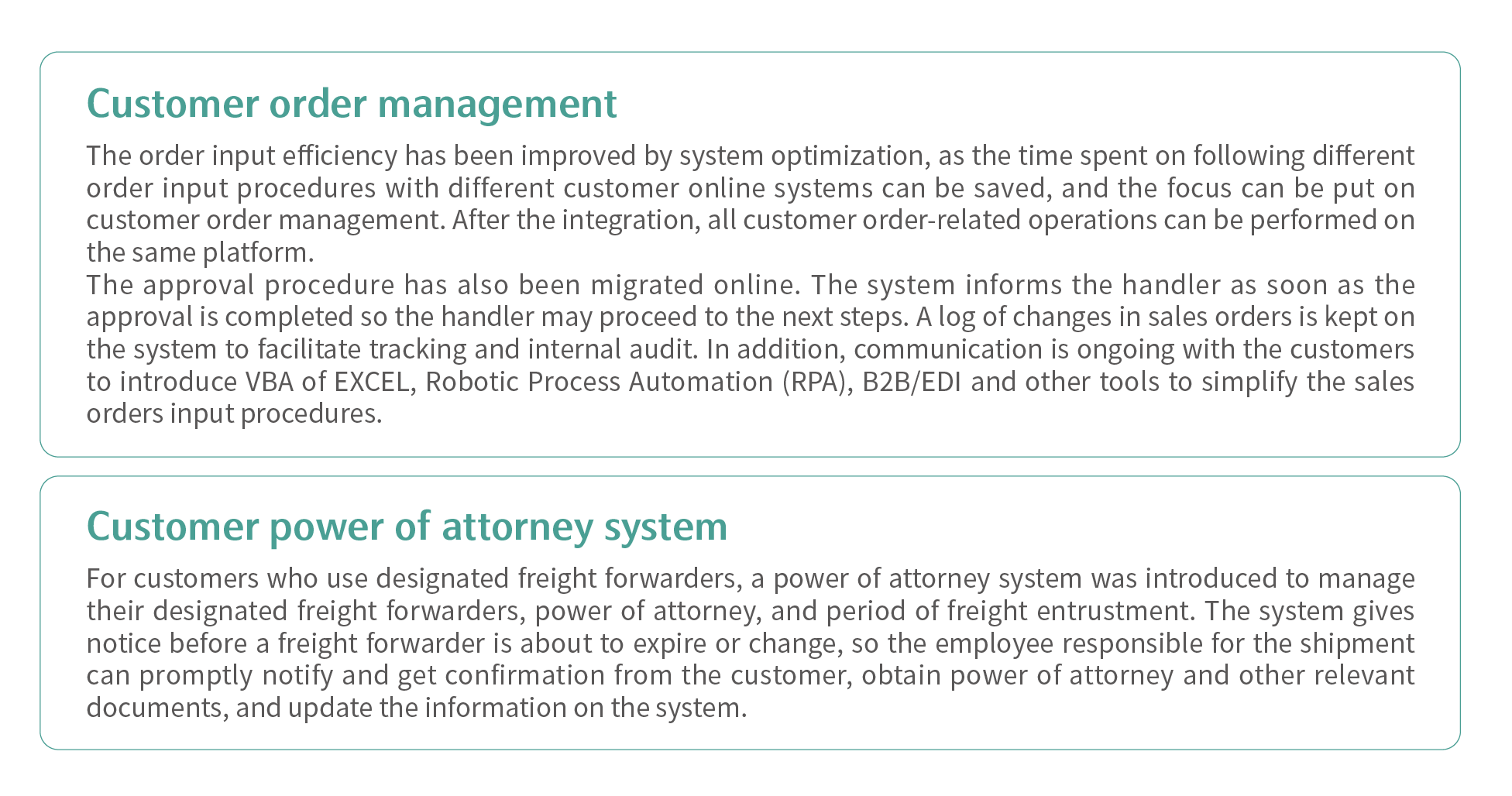
Digitization achievements in customer ordering and freight management procedures

WT's Tax Policy'

Taxes are not only a cornerstone of national governments‭’ ‬provision of local infrastructure and public services‭, ‬but also an important source of funding to attain global sustainable development goals‭. ‬In response to changes in global tax environment‭, ‬increasingly complex cross-border transactions and global anti-avoidance trends‭, ‬we continue to interact and cooperate with tax authorities in countries where we operate‭.‬


Under the trend of international tax equity‭, ‬WT implements corporate governance and establishes a corporate tax culture through‭ ‬the formulation of tax governance policies and transfer pricing policies‭, ‬while taking into account the overall development of operations and the creation of operating profits‭. ‬We review our policies annually in accordance with international tax trends‭, ‬and evaluate the need for revisions‭. ‬We file honestly in accordance with the regulations of each location where we operate‭, ‬and make proper use of relevant government tax incentive policies‭.‬


In the face of the upcoming Controlled Foreign Corporation‭ (‬CFC‭) ‬system‭, ‬WT has adjusted its organizational structure to comply‭ ‬with the international anti-avoidance trend for tax fairness‭, ‬reorganized its substantive operating affiliates registered in countries with low tax burdens‭, ‬and prudently assessed the impact of the taxation policy on the Group‭. ‬We also keep close watch on‭ ‬any revision of applicable laws and regulations‭.‬


Tax irregularities or unethical matters can be reported internally and externally through WT’s established whistleblower mechanism‭. ‬All tax information disclosed in relevant public channels‭, ‬such as annual reports of the shareholders‭’ ‬meeting‭, ‬is derived from financial statements certified by an accounting firm‭.‬

2021‭ ‬saw a profit growth and lower cash effective tax rate‭.‬

WT’s effective income tax rate and cash effective tax rate in 2022‭ ‬were 23.32%‭ ‬and 23.97%‭ ‬respectively‭, ‬which is higher than the‭ ‬statutory income tax rate of 20%‭ ‬for profit-seeking enterprises in the Republic of China‭. ‬It was mainly because the management‭ ‬retained part of the period’s annual surplus for working capital needed for the Group’s future business growth‭, ‬and we had to pay the undistributed surplus tax‭. ‬The effective cash tax rate was lower in 2021‭ ‬mainly due to the difference in the timing of income tax payment and the substantial increase in profit in 2021‭ ‬compared to 2020‭. ‬The profit-seeking enterprise income taxes paid‭ ‬in Taiwan and China‭ (‬including Hong Kong‭), ‬WT’s main places of operation‭, ‬accounted for 97%‭ ‬of the tax we paid in 2022‭.‬

2021‭ ‬saw a profit growth and lower cash effective tax rate‭.‬

WT’s effective income tax rate and cash effective tax rate in 2022‭ ‬were 23.32%‭ ‬and 23.97%‭ ‬respectively‭, ‬which is higher than the‭ ‬statutory income tax rate of 20%‭ ‬for profit-seeking enterprises in the Republic of China‭. ‬It was mainly because the management‭ ‬retained part of the period’s annual surplus for working capital needed for the Group’s future business growth‭, ‬and we had to pay the undistributed surplus tax‭. ‬The effective cash tax rate was lower in 2021‭ ‬mainly due to the difference in the timing of income tax payment and the substantial increase in profit in 2021‭ ‬compared to 2020‭. ‬The profit-seeking enterprise income taxes paid‭ ‬in Taiwan and China‭ (‬including Hong Kong‭), ‬WT’s main places of operation‭, ‬accounted for 97%‭ ‬of the tax we paid in 2022‭.‬


Risk control and management is the first step towards sound growth and sustainable operation

For the purpose of enforcing the Company’s risk management mechanisms and strengthening corporate governance‭, ‬the Risk Management Committee was put in place in 2020‭. ‬In order to keep risks arising from operating activities within tolerance‭, ‬the risk management policies were passed on January 5‭, ‬2021‭ ‬by the Board as WT’s risk management guidelines‭, ‬which cover the purpose of management‭, ‬scope of risks‭, ‬organizational structure and responsibilities‭, ‬management procedures‭, ‬risk categories‭, ‬and evaluation of risk management operations and implementation‭. ‬

The Risk Management Committee was set up and designated for risk assessment

The Risk Management Committee is a committee of the Board of Directors and is composed of three Independent Directors‭, ‬the Chairman and the Chief Financial Officer‭. ‬One meeting at least is convened every year to report to the Board of Directors on the operation of risk management‭, ‬additional meetings may be convened at any time as needed‭. ‬Functional units are responsible for the implementation of risk analysis‭, ‬improvement and tracking activities‭.‬


A Risk Management Task Force of the Risk Management Committee is going to be set up in 2023‭, ‬with the General Manager as the convener‭, ‬and relevant heads of functional units assigned by the General Manager according to the risk items managed as team members‭. ‬The Risk Management Task Force will be the responsible unit for the implementation of risk management‭. ‬It is mainly responsible for the overall risk management‭, ‬including formulating risk management policies‭, ‬structures and mechanisms‭, ‬establishing qualitative and quantitative management standards‭, ‬and reporting the risk management implementation status and results to the Risk Management Committee‭.‬

Risk types and identification

Risk Management and Countermeasures

Financial risk management is important for WT’s operations‭. ‬For details of finance-related risk analysis and management policies‭, ‬please see the Annual Report 2022‭. ‬For details of information security-related and climate change-related risk analyses and management policies‭, ‬please see Sections 2-6‭ ‬and 4-2-1‭. ‬Other risks related to WT’s operations are as follows‭:‬


Change in government policies and legislation

Risk Factor
Our operation would be affected if there is a change in important industry policies or legislation made by government of a country where WT operates‭.‬

Current Impact on the Company
National governments tend to encourage the development of high-tech‭, ‬semiconductor‭, ‬and high-value-added logistics logistics industries‭, ‬especially Taiwan and China‭; ‬therefore‭, ‬at this stage‭, ‬there are no major changes in government policies and legislation.

Countermeasures
WT’s legal‭, ‬accounting‭, ‬and stock affairs teams keep watch on and dutifully collect important information of market and legislative changes at home and abroad‭, ‬and timely consult legal and accounting experts to propose measures in response to major changes‭ ‬in domestic and foreign policies and legislation‭.‬

Change in technologies

Risk Factor
A change in technologies or the industry will lead to changes in our production and sales and pose risks to our operations as WT‭’‬s product portfolio is mostly comprised of high-tech products‭.‬

Current Impact on the Company
There are no change in technologies or the industry that have an impact on the company’s finance or business‭.‬

Countermeasures
WT’s R&D and sales teams keep watch on potential impact of change in technologies or the industry on the Company‭. ‬In addition‭, ‬the R&D team further develops high-value-added and high-profit products to secure our source of profit with a more diverse and high-end portfolio‭.‬

Concentration of purchases or sales

Risk Factor
There would be a risk of major impact on the sales performance when the purchases or sales are concentrated and a major agency right or customer is lost‭. ‬

Current Impact on the Company
In 2020‭, ‬WT lost the agency right of a supplier who made the biggest contribution to our revenue‭, ‬and managed subsequently to make up for the lost performance by deepening partnership with other suppliers‭. ‬At present‭, ‬WT has a relatively extensive pool of‭ ‬more than 10,000‭ ‬customers and there is thus no problem of excessively concentrated purchases and sales‭.‬

Countermeasures
WT is a professional distributor of semiconductor components‭. ‬Most of our suppliers and customers are well-known domestic and foreign companies‭. ‬WT not only maintains good relations with existing customers and suppliers‭, ‬but also strives to expand customers and suppliers by actively seeking new customers and developing new agency product lines‭.‬

Emerging risks

Risk Factor
The impact of the COVID-19‭ ‬pandemic on the supply chain of IT products may accelerate the trend of supply chain transfer and decentralization‭, ‬and pose downside risks to global economic growth in the long run‭.‬

Current Impact on the Company
The COVID-19‭ ‬epidemic has accelerated global digitalization and increased the demand for high-tech products‭; ‬there is no negative impact on our finance and business‭, ‬as WT has established a cross-regional operation setup‭, ‬which is sufficient to cope with the supply chain transfer and decentralization‭.‬

Countermeasures
WT will continue to pay close attention to changes in the general environment, adapt our organization and business with flexibility, and provide robust working capital to cope with changes.

Continued growth in 2022! 28% increase in group operating revenue

WT’s operating revenue increased by 28%‭ ‬from NTD447.9‭ ‬billion in 2021‭ ‬to NTD571.2‭ ‬billion in 2022‭. ‬The net profit for 2022‭ ‬was NTD7.6‭ ‬billion‭, ‬and the after-tax EPS was about NT$8.61‭ ‬based on the weighted average number of shares‭.‬

Continuous optimization and upgrade in the semiconductor sector

Digital transformation has been accelerating since the pandemic began‭. ‬With sustainable development‭, ‬energy conservation‭, ‬and carbon reduction as the shared goals‭, ‬the semiconductor sector will maintain strong market potential in the long run‭. ‬Despite the‭ ‬challenges from macroeconomic uncertainties and inventory adjustments in the semiconductor sector in the short term‭, ‬WT will continue to develop high-growth products for applications such as third-generation semiconductors‭, ‬electric vehicles‭, ‬energy management‭, ‬green energy‭, ‬cloud data centers‭, ‬5G communications‭, ‬etc‭, ‬of which the rapid development also demands semiconductor components‭. ‬In addition to further developing high-growth product application markets and increasing the market share‭, ‬WT will carry on digital optimization to improve operational efficiency‭, ‬optimize operational management systems‭, ‬strengthen financial control‭ ‬systems‭, ‬and strengthen human resource management to enhance our ability to provide added value in the semiconductor industry chain‭, ‬and build the foundation for a sustainable corporate‭.‬


A dedicated division was set up to strengthen information security management

In view of the growing importance of information security and increasingly rampant cyber attacks‭, ‬WT set up a dedicated Information Security Department and installed a Chief Information Security Officer at the level of deputy general manager in 2022‭. ‬The Department‭, ‬composed of one dedicated director and two dedicated personnel‭, ‬is responsible for information security incident investigations‭, ‬system vulnerabilities disclosure‭, ‬and new information security architecture evaluation and introduction‭, ‬etc‭. ‬The main tasks that have been completed are as follows‭:‬

  1. The ISO/IEC 27001:2013‭ ‬and CNS 27001:2014‭ ‬verifications were obtained in 2022‭ (‬valid until October 31‭, ‬2025‭), ‬and the threats and impacts posed by information security incidents were reduced through standardized and systematic control and management‭;‬
  2. A dedicated information security mailbox was set up to receive external information security notifications from customers‭, ‬suppliers‭, ‬integrated cyber threat intelligence providers‭, ‬information equipment suppliers‭, ‬service providers‭, ‬etc‭.‬
  3. A dedicated person was appointed to collect‭, ‬analyze and keep record of information on important information security news‭, ‬vulnerability releases‭, ‬zero-day attacks‭, ‬and vulnerability utilization trends‭, ‬and rate incidents for severity‭. ‬Incident severity levels have been internally defined‭. ‬The contact person in the information division keeps record of incidents‭, ‬and‭, ‬in the case of a major information security incident‭, ‬immediately notify the Chief Information Security Officer‭. ‬The Information Security Department must verify‭, ‬eliminate and resolve the information security incident within the target processing time‭. ‬After the handling is completed‭, ‬the Incident Response team‭ (‬IR team‭) ‬must conduct root cause analysis‭, ‬track and record the implementation effectiveness of corrective measures‭, ‬so as to continuously improve the intervention methods and prevent recurrence of similar incidents‭. ‬In addition‭, ‬information security incidents have been divided into four severity levels‭, ‬and their response mechanisms and‭ ‬standard operating procedures are formulated respectively to speed up the recovery time of information system services‭.‬

Information Security Management and Protection

Software‭, ‬hardware and network protection and monitoring

WT has a dedicated information security mailbox to receive external information security notifications from customers‭, ‬suppliers‭, ‬Taiwan Computer Emergency Response Team‭ (‬TWCERT‭), ‬information equipment suppliers‭, ‬service providers‭, ‬etc‭. ‬A dedicated person‭ ‬is also appointed to collect‭, ‬analyze and keep record of information on important information security news‭, ‬vulnerability releases‭, ‬zero-day attacks‭, ‬etc‭. ‬and rate incidents for severity‭. ‬Incident severity levels have been internally defined‭. ‬The contact‭ ‬person in the information division keeps a record of incidents‭, ‬and‭, ‬in the case of a major information security incident‭, ‬immediately notify the Chief Information Security Officer‭. ‬The Information Security Department must eliminate and resolve the information security incident within the target processing time‭. ‬After the handling is completed‭, ‬the Department must conduct root cause analysis‭, ‬track and record the implementation of corrective measures‭, ‬verify their effectiveness‭, ‬and use Plan-Do-Check-Act‭ (‬PDCA‭) ‬for continuous improvement and recurrence prevention‭.‬

10‭ ‬tips to improve personal cybersecurity

System backup and information security incident management

Backup and recovery plan in case of malicious intrusion

WT has comprehensive network and computer-related information security protection measures in place‭. ‬Nevertheless‭, ‬no matter how‭ ‬perfect the protection measures are‭, ‬they cannot 100%‭ ‬guarantee that the Company’s core system is safe from black swan or gray‭ ‬rhino incidents‭. ‬Therefore‭, ‬our top priority is to increase the Company’s resilience and ensure the system can be quickly brought back to operation‭. ‬Therefore‭, ‬in addition to further investing in information security software and hardware‭, ‬we continue to strengthen our continuous operation capabilities‭, ‬so that the Company’s operations can be resumed in the shortest time in the event of an information security incident‭.‬

Information security capabilities was further improved to equip the Company with first-class operating capabilities

WT’s operation is based on continuous delivery capability‭. ‬WT is committed to providing products and services that meet confidentiality‭, ‬integrity and usability requirements‭. ‬In order to be a first-class enterprise in the sector‭, ‬we apply and introduce international information security frameworks‭, ‬and continuously strengthens the security control measures to ensure a high level of‭ ‬information security protection capabilities‭. ‬We therefore constantly evaluate the information security protection mechanism from point‭, ‬line and plane‭, ‬and develop different technical combinations to shorten the system recovery time‭. ‬In addition‭, ‬information security management system verification and red team exercises‭, ‬etc‭. ‬were introduced to review and upgrade the system with‭ ‬the assistance of independent organizations‭. ‬In 2022‭, ‬a number of external power outages happened unexpectedly‭. ‬As a precaution‭ ‬against unexpected power outages‭, ‬WT conducted a power supply abnormality exercise to ensure that emergency generators can be activated immediately and normal operation of the facilities and systems can be maintained‭. ‬After the exercise‭, ‬it was confirmed that the emergency response procedures were appropriate and all the facilities and systems were in normal operation‭.‬


By strengthening information security and employees‭’ ‬security awareness‭, ‬there were no sensitive information leakage or major information service interruption incidents‭, ‬nor financial losses caused to customers or suppliers in 2022‭.‬

Information security concerns of stakeholders were addressed

Through annual routine information security self-assessment questionnaires returned from our customers and suppliers‭, ‬information security management evaluations conducted by the competent authorities‭, ‬and inquiries raised on specific information security‭ ‬topics‭, ‬the questions and concerns we heard from the customers in 2022‭ ‬were mainly about the handling of major vulnerabilities‭, ‬security controls and measures‭, ‬ISO 27001‭ ‬certification‭, ‬information security management for sustainable operation‭, ‬etc‭. ‬The Information Security Department has answered all the questions to meet stakeholders‭’ ‬expectations and requirements‭.‬

Strengthened risk control and self-monitoring to adapt to market conditions

Board Composition and Functions

WT has established a corporate governance structure to manage the company’s business in accordance with the Company Act‭, ‬the Securities and Exchange Act and other relevant laws and regulations of the Republic of China‭. ‬We have been strengthening the company’s performance and responsibility‭, ‬and balancing the interests between stakeholders in pursuit of long-term interests of shareholders‭.Under the Board of Directors‭, ‬there are Audit Committee‭, ‬Remuneration Committee and Risk Management Committee‭. ‬The Risk Management Committee is composed of three Independent Directors‭, ‬the Chairman and the Chief Financial Officer‭. ‬Its role is to review risk management policies and management reports on major risk issues‭, ‬oversee corrective measures‭, ‬and routinely report the implementation of risk management to the Board of Directors‭.‬


In May 2019‭, ‬the Board of Directors appointed Kerry Hsu‭, ‬senior vice president‭, ‬as the head of corporate governance‭, ‬responsible‭ ‬for organizing the meeting schedule and agenda of the Board of Directors and shareholder meetings‭, ‬assisting directors in their‭ ‬training plans‭, ‬providing directors with information needed to perform duties in compliance with laws and regulations‭, ‬and disseminating information to directors on a regular or occasional basis‭, ‬depending on the topic‭, ‬to strengthen corporate governance‭ ‬functions‭.‬

Diverse Board with more than 40%‭ ‬of the directors being women

The Board of Directors is WT’s highest governance body‭. ‬The tenth terms of Board was elected on May 20‭, ‬2022‭, ‬is composed of four Directors and three Indepentent Directors‭. ‬In order to strengthen the sound development of corporate governance‭, ‬the policy of‭ ‬diversity is implemented in accordance with the Corporate Governance Best Practice Principles formulated by WT‭. ‬Of the Board Members‭, ‬there are three Independent Directors‭ (‬43%‭), ‬three female Directors‭ (‬43%‭), ‬and two Directors are employees‭ (‬29%‭). ‬In addition‭, ‬four of the current directors are aged from 51‭ ‬to 60‭ ‬years old‭, ‬one‭ ‬from 61‭ ‬to 70‭ ‬years old‭, ‬and two from 71‭ ‬to 80‭ ‬years old‭. ‬For the implementation of the Board Member diversity policy‭, ‬please visit the corporate governance section of the WT official website‭.‬

The Board of Directors meets at least once a quarter to monitor the achievement of the Company’s operational goals and performance‭, ‬provide strategic guidance to the management team‭, ‬and oversee the Company’s compliance with laws and regulations to ensure‭ ‬the best interests of shareholders‭. ‬In fiscal 2022‭, ‬the directors‭’ ‬in person attendance rate at the thirteen Board meetings was‭ ‬98.9%‭ ‬on average‭, ‬and the Independent Directors‭’ ‬was 100%‭. ‬Conflicts of interest with directors are avoided in accordance to the‭ ‬provisions of Article 15‭ ‬of WT’s Rules of Produre for Board of Directors‭’ ‬Meeting‭. ‬Meeting items involving a director’s interests are disclosed in the annual reports‭, ‬with the names of the director involved‭, ‬the content of the item‭, ‬and the reasons for avoiding conflicts of interest‭. ‬In addition‭, ‬information such as‭  ‬the existence of a controlling shareholder‭, ‬and related party transactions are all disclosed in the annual report to avoid or reduce the possibility of conflicts of interest‭.‬


For information on the diversity of the Board of Directors‭, ‬the Audit Committee‭, ‬the Remuneration Committee and the Risk Management Committee‭, ‬including the members‭’ ‬age range‭, ‬experience‭, ‬tenure‭, ‬as well as information on their in-person attendance rate at the Board meetings‭, ‬status of continuing training and education‭, ‬and how conflicts of interest have been avoided or handled in‭ ‬2022‭, ‬please see Chapter Three Report on Corporate Governance in the Annual Report 2022‭.‬


Basis for effectiveness assessment of the Board of Directors and the functional committees

In order to implement corporate governance‭, ‬improve the function of the Board of Directors‭, ‬and establish performance goals to strengthen the operational efficiency of the Board of Directors‭, ‬WT has formulated the Rules for Board of Directors Performance Assessments‭ ‬in 2016‭, ‬which clearly stipulates that the Board of Directors and the functional committees should routinely conduct internal self-assessment every year‭. ‬An assessment evaluation must also be preformed once every three years by an external professional independent organization or an external team of experts and scholars‭. ‬The assessment results must be reported to the Board of Directors‭, ‬and be used as a reference to determine individual directors‭’ ‬remuneration payment and nomination for the Board re-election‭.‬

Internal Self-Assessment

The internal self-assessment questionnaires for the entire Board of Directors‭, ‬individual members of the Board of Directors‭, ‬individual members of the Audit Committee and individual members of the Remuneration Committee for the year 2022‭ ‬were completed in‭ ‬January 2023‭. ‬The results indicated that the Board of Directors and the functional committees were functioning well‭.‬

External Assessment

In 2020‭, ‬an external professional organization‭, ‬the Taiwan Institute of Ethical Business‭, ‬was commissioned to conduct the effectiveness assessment of the Board of Directors for 2020‭. ‬The Institute and its executive experts have no business dealings with WT‭ ‬and thus are independent‭. ‬The assessment was conducted through document review‭, ‬questionnaires and on-site interviews in four major aspects‭, ‬including the Board’s professional functions‭, ‬decision-making effectiveness‭, ‬attention to and oversight of internal controls‭, ‬and attitude toward corporate social responsibility‭. ‬The assessment recommended that the communication improve between the Board and the management team and the Board pay more attention to corporate social responsibility issues‭ (‬known now as sustainability issues‭). ‬In response to the recommendations‭, ‬the corporate governance department took the initiative to collect questions raised by individual Directors and pass them on to the management team‭. ‬When necessary‭, ‬relevant managers were invited to‭ ‬attend the Board meeting to explain to the Directors‭.‬

Rigorous internal audit to ensure fairness and impartiality

In WT Microelectronics, the Internal Audit Department (referred to as “the Department” hereunder) is an independent unit under the Board of Directors. The appointment and dismissal of the company’s internal audit supervisor are approved by the Audit Committee and passed by the Board of Directors. The appointment/dismissal, evaluation/review, salary/compensation of internal auditors of the Company are handled in accordance with the Corporate Governance Best Practice Principles ,shall be submitted by the chief internal auditor to the Board Chairperson for approval and to evaluation and review at least once a year.


The purpose of internal audits is to assist the Board of Directors and managers in inspecting and reviewing defects in the internal control systems, measure operational effectiveness and efficiency, and to make timely recommendations for improvements to ensure the sustained operating effectiveness of the systems and to provide a basis for review and correction.

Implement self-monitoring to strengthen the system

The Department shall implement regular auditing based on the annual audit plan, which is passed by the Board of Directors and based on the identified risks‭. ‬The Department shall also implement special audit plans separately based on actual needs‭. ‬After implementing each audit‭, ‬the Department shall present the audit reports and follow-up reports‭, ‬and submit them for review by the Audit Committee before the prescribed statutory date‭. ‬The officer of the Department shall attend and deliver a report on the situation of each audit plan to a regular board meeting‭.‬


The Department shall supervise all internal departments and subsidiaries to conduct self-assessments‭  ‬once a year and implement‭ ‬the company’s self-monitoring mechanism‭. ‬The Department shall adjust the design and implementation of the internal control system in a timely manner in response to changes in the environment.The Departments shall review the self-inspection reports and evaluate the overall efficacy of all internal control systems to serve as the primary basis for the Board of Directors and General‭ ‬Manager to produce Internal Control System Statements‭.‬