WT cares to plan the best for employees

An enterprise’s development stems from its belief in talent cultivation. WT group values the comprehensive development of employees and creates a work environment suitable for the right people. In a fast-changing environment, to equip the talent pool with the capacity to adapt to future changes, WT has established a training and development plan to effectively translate learning into performance.

WT Training and Development Plan Framework
01
Corporate Core Values|Employees’ mindset and thinking are guided to cultivate behaviors that are consistent with the corporate core values.
02
Orientation for New Hires|Onboard training and a mentorship system are in place to help new employees quickly fit into the work environment and identify with the corporate culture and management philosophy.
03
Working Skill Training|Training on necessary soft and technical skills is regularly organized to enhance work effectiveness and efficiency.
04
Functional Expertise Training|Relevant professional skills and knowledge of the employees are developed through internal, external and on-the-job training (OJT)
05
Leadership Development|Various management and leadership modules are tailor made for different positions to continuously enhance supervisors’ management skills and leadership mindset so they may lead their subordinates to achieve organizational goals.
06
Language Training|Training is offered to help employees develop foreign language proficiency and international perspective to effectively enhance the efficiency and quality of business communication.

In 2024, WT invested NT$ 25,893,503 in total in education and training. Throughout the year, 4,295 sessions of training were given to 94,942 person-times, totaling 157,323 hours. The average training hours of all employees were 20 hours.Note: Beginning in 2024, statistical data has incorporated the operations of Future Electronics.

Total training spending and time

More training sessions and higher attendance: Adapting to micro-courses to enhance learning effectiveness

Total training spending, 2021-2024

 
Training Spending (NTD)
 
Training Spending per Person (NTD)
 
 
3,142,800
 
1,226
2021
 
4,593,913
 
1,295
2022
 
4,825,705
 
1,394
2023
 
25,893,503
 
3,288
2024

Total training time, 2021-2024

 
Training Time (hours)
 
Training Time per Person (hours)
 
 
6,490
 
3
2021
 
25,522
 
7.2
2022
 
27,398
 
7.91
2023
 
157,323
 
20
2024

Total training sessions, 2021-2024

 
Totals Sessions (sessions)
 
Total Attendance (person-times)
 
 
657
 
16,167
2021
 
847
 
25,809
2022
 
458
 
17,587
2023
 
4,295
 
94,942
2024

Training hours per person by position, 2024

Position Training Hours
Technical Professional 22.35
Junior Manager 19.89
Mid-level Manager 15.70
Senior Manager 8.06

Training hours per person by gender, 2024

Gender Training Hours
Male 8.52
Female 7.96

Note: The calculation of average training hours by gender in 2024 does not yet include Future Electronics.


Major optimization measures for talent development in 2024

Improve departmental OJT (On the Job Training) awareness: In addition to general training of the Company, each department in Taiwan has customized department-specific product technology courses based on the different attributes of the products and customers they are responsible for, including product knowledge, technology content, and experience sharing. In 2024, a total of 5,256 person-times received 7075.3 hours of physical and digital learning in Taiwan.

Promote personal career development plans: There are currently more than 30 people being trained and rotated in the “Want Talent” elite training program.


Enhanced New Hire Training Program

●  Mentorship system: Supervisors or senior employees are appointed as mentors to help the new hires fit into the company culture and work environment.

●  New hire training program: The new hire training starts from the on-board date and provides courses on functional skills in basic stage (1-3 months) and advanced stage (after 6 months) to familiarize new hires with corporation processes and key policies.

●  The program adopts on-the-job training method and is conducted in an online and offline blended learning mode in a step-by-step manner to help new hires to develop relevant functional skills.

New Hire Training Program

*monthly plan

 
Dec. to Next Jan. every year
On-board Date
1~3 mth
6 mth~
Functional Expertise
Lecturers are notified to finalize curriculum &updates
New Employee Orientation
Technology/Application for sales & FAE
Operation Roadmap for CSR/IS
Operation course → The supervisor may determine this to be mandatory according to the degree of proficiency
optional
• Electronics course
• Business course
• Each BU’s customized courses
Corp. process/ Common curriculum
• Corporate Process course
• Code of Conduct (within the 1st week)
• Information security training (within the 1st month)
• New Hire Cross Training (within the first 3 months)
• Excel course (mandatory for operation managers)

Enhanced overseas training capacity

Implemented a digital learning platform to support flexible remote training

With the advent of the digital era, WT introduced the WT e-Learning Academy, a digital learning platform that combines online and in- person learning. In the post-pandemic world, learning styles have changed and the proportion of digital learning has increased. Based on WT’s training and development plan, WT e-Learning Academy has established courses in five categories, combining e-newsletters, a knowledge center, and online courses to integrate internal and external resources and enrich the platform’s content, while becoming a platform for linking WT’s knowledge transmission and communication. WT will continue to refine and hold regular course planning workshops in the hope of providing richer training resources to all employees through continuous innovation.

Want Talent: Comprehensive career development without limitations

To provide a better career pathway program, WT launched the “Want Talent” elite training program and recruited selected new graduates for the program. In addition to soft skills and technical courses, job rotation training and participation in important projectsand large-scale conferences are organized for them to gain a comprehensive understanding of the core concepts of the Company’s operation. Furthermore, senior executives and the human resources department show regular care for them, provide them career guidance, and plan their individual advancement goals and development, to keep them in a changing and challenging work environment. Meanwhile, salary adjustments and rank promotions have been made according to performance and market standard of the individual, offering market competitive salary and fair benefits.

Want Talent Program Development Process

01|Learning Period 02|Development Period 03|Mature Period
· Soft and technical skills training
· Hands-on participation in projects
· Advanced industry-related knowledge
· Job rotation training
· Diversified career development
· Supervisor/specialized staff position

Meetings with promising talents to foster a strong sense of workplace identity 

The Chief Human Resources officer and HRBP meet with promising young talents regularly to check in on their career needs and their unit supervisors’ feedback, to prepare them for leadership and bond with them. 


WT promotes industry-university cooperation 

Collaborating with NCCU College of Social Sciences to Nurture Future Leaders

Donated NT$9 million to the College of Social Sciences at National Chengchi University (NCCU) to establish the WT Young Talent Fund. This fund supports student access to international exchange programs, domestic and overseas internships, and social engagement opportunities, aiming to cultivate young leaders with global mobility and knowledge of the semiconductor industry. On April 25, 2024, the WT Group Internship & Talent Recruitment and Industry Sharing Session was held, and a visit by NCCU international students to WT was scheduled for October 15, providing students with deeper insight into WT and the semiconductor industry. 

Promoting Cross-University Exchange Opportunities

In 2024, WT organized a variety of campus information sessions and activities, as listed below:  

❙ 3/26 Internship & Industry Sharing Session with the College of Engineering, Tunghai University (THU)

❙ 4/25 Internship & Industry Sharing Session with the Department of Mechanical Engineering, National Taiwan University of Science and Technology (NTUST)

❙ 5/31 WT One-Day Sales & FAE Workshop

❙ 7/1~8/30 WT Internship Program

❙ 10/19 Mei-Chu Hackathon Competition

❙ 12/23 2024 NTUST Alliance: Smart Manufacturing Talent Matching & Exchange Event

❙ North America Industry-Academia Collaboration: Campus Career Fairs at McGill University & Concordia University


ESG Capacity Building and Internal Training 

In 2024, WT organized the training course “Awareness Training on ESG” for all employees in Taiwan, aiming to enhance their understanding of the three core pillars of ESG: Environmental (E), Social (S), and Governance (G), and strengthen the integration of ESG principles into daily operations. 

The course covered the following topics:

●  Definition of ESG

●  WT’s ESG Policies and Material Issue Management: 1. WT’s ESG-related policies 2. Stakeholder identification 3. Management approach for material topics

●  ESG Goals and Achievements: Key accomplishments in WT’s ESG journey

The training was met with strong employee engagement. A total of 1,103 employees in Taiwan completed both the course and its assessment, achieving a 100% completion rate. Moving forward, WT will continue to deepen ESG education and awareness across all regions and regularly review and enhance the course content to ensure alignment with evolving standards and promote sustainable corporate development.


People-oriented values: Employee cohesion is the greatest driving force for the Company's progress

WT understands that PEOPLE are the most important asset of an enterprise. In order to create a better work environment for employees and attract professional talents to join the Company, WT follows the laws and regulations of the countries where its business bases are located, as well as the Social Policy and Code of Conduct formulated to meet its commitment to safeguard labor rights. Recruitment-related activities have been planned and executed according to the annual headcount plan of each department. In accordance with Article 38, Paragraph 1 of the People with Disabilities Rights Protection Act, WT employs a sufficient number of people with disabilities, simplifies the work process and assigns appropriate work to accommodate their needs, and provides timely care and encouragement from time to time.


WT’s four core people-oriented concepts

Diversifying recruitment channels and comprehensive training programs

WT recruits talents aligned with WT’s core values via multiple channels including job bank websites, online platforms (such as LinkedIn, CakeResume, Blink, etc.), campus career centers, partnerships with universities, colleges, departments, as well as internal referrals. A complete training and development plan is provided to ensure talents translate learning into performance effectively and thereupon build a talent pool ready for a rapidly changing future. In 2024, an internal recruitment system is designed and implemented for mid- andhigh-level supervisors who transferred to another department and employees to another job.

In 2024, WT enhanced recruitment efforts not only through a wide range of diversified recruitment platforms, but also by strengthening partnerships with academic institutions to offer both full-time and internship opportunities. To cultivate outstanding talent and enable students to apply their knowledge while gaining practical workplace experience, WT provided internship opportunities across various functions, including Sales, FAE (Field Application Engineering), Procurement, Order Management, IT, Process Optimization, and Human Resources—offering more than 20 internship positions in total.

In addition, WT sponsored scholarships and development programs in collaboration with the College of Social Sciences at National Chengchi University and the College of Engineering at Tunghai University, as well as a trends lecture series at National Taiwan University of Science and Technology, further demonstrating its commitment to nurturing future talent through industry-academia cooperation.

WT Group Workforce Overview (Headcount)
Permanent Employees 7,946
Temporary Employees 24
Full-time Employees 7,859
Part-time Employees 111
Zero-hour Contract Employees 0
Dispatched Workers 95

Note: In accordance with local practices in China, employees are initially hired under fixed-term contracts and later transitioned to open-ended contracts. Since their compensation and benefits remain unaffected during the transition, and their service years are fully recognized after the conversion, these employees are categorized as open-ended (permanent) employees for reporting purposes.

WT actively recruits outstanding emerging talent to build a vibrant, inclusive, and high-performing workforce that drives sustainable growth.

In response to the rapid development, WT secures a competitive edge for the future by keeping a talent pool in line with the group’s long-term development strategy, and an optimized array in terms of level, number and structure. As of the end of 2024, the total number of WT employees was 7,970, an increase of 4,507 employees compared with 2023 (A 130.15% increase in headcount due to the acquisition of Future Electronics in 2024). Non-guaranteed-hour employees were not hired during the reporting period. Non-employee workers include dispatched personnel who provide supporting services such as cleaning, driving, security, warehousing, customs operations, and cafeteria services.

Female representation in STEM fields, 2020-2024
2022
 
15.85%
2023
 
8.42%
2024
 
7.82%

In addition, WT is committed to fostering gender diversity and an inclusive culture by building a fair workplace where every employee can realize their full potential in a diverse and inclusive environment. As of the reporting year, female employees accounted for 47.1% of the workforce. Among employees at the managerial level and above, 42.0% were women, including 9.09% in senior management, 42.8% in mid-level management, and 51.54% in junior management. Moreover, 40.5% of business unit managers were female.Within STEM-related roles (Science, Technology, Engineering, and Mathematics), female employees accounted for 7.82%, excluding Future Electronics. WT continues to support the recruitment, development, and advancement of women in STEM through targeted talent acquisition and training programs, aiming to attract more outstanding female professionals in science and engineering fields.

Gender diversity across workforce and leadership levels, 2024
 

Female


Male

Overall Workforce Composition
47.10%
52.90%
Management and Above
42.00%
58.00%
 a. Senior Management
9.09%
90.91%
 b. Mid-level Management
42.80%
57.20%
 c. Junior Management
51.54%
48.46%
Sales Management
40.50%
59.50%
STEM Roles (Excluding Future Electronics)
7.82%
92.18%

In 2024, the turnover rate was 21.06%, representing 673 employees (excluding Future Electronics). Among them, 672 employees resigned voluntarily, accounting for a voluntary turnover rate of 21.03%, while one employee was involuntarily terminated. By age group, the turnover rate was 19.66% for employees aged 50 and above, while a higher rate of 30.09% was observed among those under 30. Simultaneously, the new hire rate was 12.68%, or 405 employees. By gender, there was a merely 0.9 percentage point difference. By age group, the new hire rate for employees under 30 was relatively high at 41.39%. Note: The age groups are categorized as follows: 30 years and under (inclusive), 31 to 49 years, and 50 years and over (inclusive). This classification is used to present the distribution of employees across different age groups and the associated performance indicators.

Employee count by gender, 2020-2024
 

Female


Male

2024
3,753
4,217
2023
1,429
2,034
2022
1,489
2,058
2021
1,043
1,521
2020
936
1,417

With the integration of Future Electronics, structural adjustments have occurred in WT’s global operational footprint and overall workforce composition, leading to an upward trend in the proportion of female employees. This shift has further enhanced gender diversity in the workplace.

Employee distribution by gender, 2020-2024
 

Female


Male

2024
47.09%
52.91%
2023
41.26%
58.74%
2022
41.98%
58.02%
2021
40.68%
59.32%
2020
39.78%
60.22%
New-hire and departure by gender (excluding Future Electronics), 2020-2024
 

Female


Male

2024
New employee hires
162
243
Employee departures
260
413
Voluntary departures
260
412
2023
New employee hires
163
252
Employee departures
226
291
Voluntary departures
225
289
2022
New employee hires
234
308
Employee departures
128
214
Voluntary departures
127
213
2021
New employee hires
234
272
Employee departures
127
168
Voluntary departures
127
167
2020
New employee hires
56
121
Employee departures
135
191
Voluntary departures
133
190


New hire and turnover rates by gender (excluding Future Electronics), 2020-2024


Female


Male

New-hire rate


5.98%
 
22.44%
 
15.72%
 
11.41%
 
12.15%
 
8.54%
 
17.88%
 
14.97%
 
12.39%
 
13.05%
2020
2021
2022
2023
2024
Turnover rate


14.42%
 
12.18%
 
8.60%
 
15.82%
 
19.50%
 
13.48%
 
11.05%
 
10.40%
 
14.31%
 
22.18%
2020
2021
2022
2023
2024
Voluntary turnover


14.21%
 
12.18%
 
8.53%
 
15.75%
 
19.50%
 
13.41%
 
10.98%
 
10.35%
 
14.21%
 
22.13%
2020
2021
2022
2023
2024
New-hire and departure by age (excluding Future Electronics), 2020-2024
 

Aged 30 and under


Aged 31-49


Aged 50 and over

2024
New employee hires
238
148
19
Employee departures
173
418
82
Voluntary departures
172
418
82
2023
New employee hires
202
190
23
Employee departures
165
304
48
Voluntary departures
165
303
46
2022
New employee hires
241
293
  8
Employee departures
84
229
29
Voluntary departures
84
228
28
2021
New employee hires
229
266
   11
Employee departures
66
210
19
Voluntary departures
66
209
19
2020
New employee hires
65
101
    11
Employee departures
93
219
     14
Voluntary departures
93
216
     14

Note: The age groups are categorized as follows: 30 years and under (inclusive), 31 to 49 years, and 50 years and over (inclusive). This classification is used to present the distribution of employees across different age groups and the associated performance indicators.

New hire and turnover rates by age (excluding Future Electronics), 2020-2024


Aged 30 and under


Aged 31-49


Aged 50 and over

New-hire rate


17.29%
 
51.00%
 
34.93%
 
32.79%
 
41.39%
 
5.73%
 
14.26%
 
11.78%
 
7.79%
 
6.72%
 
5.14%
 
4.42%
 
2.16%
 
5.62%
 
4.56%
2020
2021
2022
2023
2024
Turnover rate


24.73%
 
14.70%
 
12.17%
 
26.79%
 
30.09%
 
12.42%
 
11.25%
 
9.21%
 
12.47%
 
18.97%
 
6.54%
 
7.63%
 
7.84%
 
11.74%
 
19.66%
2020
2021
2022
2023
2024
Voluntary turnover


24.73%
 
14.70%
 
12.17%
 
26.79%
 
29.91%
 
12.25%
 
11.20%
 
9.17%
 
12.43%
 
18.97%
 
6.54%
 
7.63%
 
7.57%
 
11.25%
 
19.66%
2020
2021
2022
2023
2024

Note 1: New-hire rate = the number of new hires of the category in the year ÷ the total number of employees in the category at the end of the year
Note 2: Turnover = the number of separating employees of the category in the year ÷ the total number of employees in the category at the end of the year
Note 3: The numbers of new and departing employees from 2020 to 2022 both exclude those who were newly hired and departing in the same year. In 2023, they are no longer excluded.
Note 4: The new hire and turnover statistics for 2024 exclude Future Electronics.
Note 5: The age groups are categorized as follows: 30 years and under (inclusive), 31 to 49 years, and 50 years and over (inclusive). This classification is used to present the distribution of employees across different age groups and the associated performance indicators.

WT values professional expertise and leverages experience to lead and steer team development.
WT’s management is mainly made of professionals in the electronic information industry. The marketing personnel at the front line have years of experience in trade marketing. The professional logistics support and technology R&D personnel, who are the proud of WT, promote existing products, strive for new agency lines and solve customer needs externally, and continuously improve the financial business system internally. The major managers have more than 10 years of experience in the semiconductor trade industry. The accumulated agency business and insight of market development trends gained over the years help them develop businesses and visions, and continue to run the operations towards prosperity. Therefore, WT strives to develop major functions of human resource management to make the best use of its talent pool, promote organizational development, and achieve the goals of “matching people with jobs, getting the right people for the right jobs, and making the best use of people’s talents”.

WT proportion of senior management hired locally, 2020-2024

In 2024, the proportion of local hires in senior management across operating bases reached 89.09%.


85.71%
85.42%
83.58%
88.73%
89.09%

2020
2021
2022
2023
2024
Note 1: Senior management refers to supervisors at the director level and above.
Note 2: Local residents are defined as individuals who hold citizenship of the country in which the operating site is located.

Employee count by age

The age structure of employees remains stable, with no discriminatory practices in recruitment or retention.

Employee count by age, 2020-2024
 

Aged 30 and under


Aged 31-49


Aged 50 and over

2024
1,207
4,869
1,894
2023
616
2,438
409
2022
690
2,487
370
2021
449
1,866
       249
2020
376
1,763
      214
Employee distribution by age, 2020-2024
 

Aged 30 and under


Aged 31-49


Aged 50 and over

2024
15.14%
61.10%
23.76%
2023
17.79%
70.40%
11.81%
2022
19.45%
70.12%
10.43%
2021
17.51%
72.78%
9.71%
2020
15.98%
74.93%
9.09%
Employee count by position and gender, 2020-2024
Senior Management
Male
Year
Female
44
 
2020
 
5
43
 
2021
 
5
60
 
2022
 
7
61
 
2023
 
10
100
 
2024
 
10
Mid-level Management
Male
Year
Female
325
 
2020
 
125
325
 
2021
 
125
412
 
2022
 
177
411
 
2023
 
181
854
 
2024
 
639
Junior Management
Male
Year
Female
46
 
2020
 
37
33
 
2021
 
33
49
 
2022
 
40
47
 
2023
 
40
126
 
2024
 
134
Technical Professional
Male
Year
Female
1,002
 
2020
 
769
1,120
 
2021
 
880
1,537
 
2022
 
1,265
1,515
 
2023
 
1,198
3,137
 
2024
 
2,970

Note 1: Senior (Top-level) Management: Division-level and above managers, Mid-level Management: Department-level and section-level managers, Junior (First-line) Management: Team-level supervisors, and Professionals: Non-managerial staff
Note 2: The age groups are categorized as follows: 30 years and under (inclusive), 31 to 49 years, and 50 years and over (inclusive). This classification is used to present the distribution of employees across different age groups and the associated performance indicators.

Committed to minimizing waste and promoting resource circularity

WT is committed to waste reduction at the source and promoting circular reuse. Waste generated during operations primarily includes office-related waste, domestic waste from employees, and sample IC waste. In logistics centers, additional waste is produced from outer cartons, cardboard, filler materials, and sealing tape. All waste is managed through carefully selected and certified waste treatment providers to ensure compliant and responsible disposal.

Waste Reduction Implementation Strategy

Source Reduction
Continuously promote waste classification and reduction at the source, evaluate the minimization of waste generation, and ensure the implementation of execution plans.
Circular Economy
Collaborate with various district management committees to strengthen waste recycling management and enhance the recycling and reuse of waste resources.
Establish Waste Management Regulations
Implement standardized waste management through waste management regulations, improve environmental sanitation, and prevent secondary pollution.

We are also actively involved in sustainability efforts. In the future, we plan to optimize and transform various company meetings to be more environmentally friendly and align with our sustainability goals. This includes adopting plastic-free and single-use-item-free meeting setups, adhering to the principle of not using disposable tableware or plastic bags. For venue decorations, we’ll use reusable artificial floral arrangements, and replace bottled water with glass cups on tables. To help colleagues develop habits of plastic and waste reduction in their daily lives, we’ve set up eco-bag collection bins in the Zhonghe office. This initiative facilitates the recycling and provision of clean plastic bags, paper bags, and reusable shopping bags, offering more diverse recycling channels for employees to utilize, and gradually working towards the ultimate goal of zero plastic use.

As part of our daily office management practices, we continuously reduce the procurement of single-use consumer products, prioritize the use of durable and reusable items, and strengthen internal communication to promote waste and carbon reduction awareness among employees. We also enforce strict waste sorting and resource recycling measures to achieve our annual target of reducing total waste volume by 1%.

As of the end of 2024, no hazardous waste was generated. All non-hazardous waste was either recycled through regenerative processes or disposed of via incineration. 100% of waste was diverted from landfill.

In 2024, the total amount of waste was 125.07 metric tons, representing a 0.3% reduction compared to 2023. This result reflects our ongoing efforts in environmental stewardship, with the year-over-year decrease primarily attributable to the effective promotion of waste reduction initiatives and enhanced waste sorting management, which have improved overall resource utilization efficiency.

Recycled waste increased by 15.31 metric tons in 2024 compared to the previous year. Specifically, in terms of IC waste, a centralized collection and management approach was promoted to employees at the Zhonghe headquarters starting in 2023. This type of waste is processed by certified recycling vendors. In 2023, 0.09 metric tons of IC waste were recovered, rising to 0.87 metric tons in 2024. 100% of this waste was sent to qualified vendors for circular regeneration. WT will continue to promote IC waste recycling practices in the years ahead to support ongoing waste reduction objectives.


WT Taiwan operational sites and Hong Kong, Singapore logistics centers – 2024 Waste Statistics

Year Non-Hazardous Waste (metric tons) Hazardous Waste (metric tons)
General Waste Recycled (excluding IC waste) Recycled (IC waste)
2023 125.4 6.98 0.09
2024 125.07 21.51 0.87

Notes:1. Waste volumes in some regions are estimated based on per-unit area waste generation at WT’s main operational sites in Taiwan.2. tatistics for recycled waste are compiled from WT’s Zhonghe site in Taiwan. Recyclable non-hazardous waste categories include: pulped paper, iron and aluminum cans, plastic bottles, scrapped hard drives, office equipment, and cardboard boxes. Weight-based statistics are reported by certified waste vendors, who also ensure proper and compliant waste processing.


WT continues to expand waste tracking efforts to its overseas sites. In 2024, a waste composition analysis at our Canada office revealed that paper accounted for 61.35% of total waste, followed by corrugated cardboard at 7.46%. In response, the company has implemented paperless initiatives and a corrugated cardboard recycling program to reduce resource consumption. We will continue monitoring original waste generation volumes to assess the effectiveness of our reduction strategies.

Ongoing promotion of water conservation with employees

At WT, water is primarily used across all operational sites for air conditioning circulation in office and warehouse areas, as well as for employee domestic needs. All water is supplied by local municipal utilities and sourced from freshwater systems. These operations do not pose a significant impact on local water resources or surrounding ecosystems.

To ensure the safety and quality of drinking water for employees, water dispensers are fitted with filters that are replaced monthly to effectively remove harmful substances. In addition, water quality is tested annually by SGS Taiwan to ensure it meets health and safety standards. Aside from evaporative losses from air conditioning system, where data is not practically measurable, other wastewater generated from daily employee use is discharged into municipal sewer systems through the building’s wastewater pipelines.

WT evaluates water-related risks using the World Resources Institute’s (WRI) Water Risk Atlas and has set a target to reduce water usage by 1% annually. According to the 2024 assessment, all disclosed operational sites were located in regions not classified as high or extremely high water stress areas. In 2024, the total disclosed water consumption was 23.62 ML (1,000 m³), covering operations in Taiwan, Hong Kong, South Korea, and China.

Water Resources Inventory Overview (Unit: ML)


Water Consumption
 
Water Discharge
17.01
17.01
2020
11.14
11.14
2021
12.95
12.95
2022
21.32
21.32
2023
23.62
23.62
2024

Note 1: The 2024 reporting boundary includes operational sites in Taiwan, Hong Kong, China, and South Korea. At certain office locations, water charges are embedded within property management fees and are not billed separately, rendering actual water usage estimations infeasible. As these locations account for an immaterial share of overall water consumption, they have been excluded from the disclosed figures.

Note 2: To enhance water resource management, WT has adopted the use of water meter readings from utility bills for statistical purposes starting in 2021. For years prior to 2020, water consumption was estimated based on water bills and unit pricing.

Note 3: Water usage includes evaporative losses from air conditioning systems and employee drinking water, which are considered immaterial and cannot be reasonably measured. All effluent is classified as domestic sewage and discharged directly into municipal sewer systems via the buildings’ infrastructure. As no flow meters are installed to capture actual discharge volumes, water discharge is assumed to equal water consumption for reporting purposes.

Water-saving Improvement Measures for Taiwan Headquarters’ Affiliated Park

Continuously replace water-saving devices/fixtures

Conduct inspections of water faucets and water usage patrols, and implement improvement plans for abnormal situations.

Strengthen promotion and dissemination of information related to water conservation to prevent inadvertent waste.

The water consumption of WT’s Zhonghe headquarters in Taiwan, as externally verified, was 12.28 ML in 2024, representing a 6.4% increase compared to 11.50 ML in 2023. The increase was primarily due to the annual cleaning of the cooling tower and additional water discharge required for tenant fire safety system inspections in 2024. WT will continue to coordinate with the building management committee to implement relevant water-saving improvement measures.

Water Use Verification

Water consumption data for the verified Zhonghe office in Taiwan over the past two years is as follows:

Year Total Water Consumption (ML) Water Intensity (ML/m²)
2023 11.4990 0.0006775
2024 12.2810 0.0007235

Note: The inventory scope for both 2023 and 2024 covers the Zhonghe headquarters office in Taiwan. Verification for 2025 has been commissioned to the British Standards Institution Taiwan (BSI Taiwan).


Expanding renewable energy adoption and procurement initiatives

In alignment with the Ministry of Economic Affairs’ goal of achieving 20% self-generated renewable energy by 2025 and the Paris Agreement’s target of limiting global warming, WT Taiwan began transitioning conventional (grey) electricity with green electricity in 2024. Over the course of the year, the Taiwan operations procured 155,189 kWh of green electricity (including 152 Renewable Energy Certificates), resulting in renewable energy consumption of 558.68 GJ, accounting for 6.46% of total electricity use in the Taiwan region.

Additionally, a 100 kW rooftop solar system was installed at the Shanghai office and began operation in 2024. The electricity generated is primarily used for on-site consumption, totaling 104,613 kWh during the year. This translates to 376.61 GJ of renewable energy, covering 6.38% of the total electricity consumption in the China region.

In total, the Group’s renewable energy consumption in 2024 reached 935.29 GJ, representing 1.38% of the Group’s total energy consumption. To further encourage a transition away from fossil fuel vehicles, the Taiwan office introduced monthly electricity subsidies for employee-owned electric vehicles in 2024, effectively reducing GHG emissions.

Moving forward, WT will continue assessing the feasibility of solar generation, green power procurement, and renewable energy certificate purchases to progressively increase the share of renewables in its energy mix, supporting the goal of achieving net-zero emissions by 2050.

WT’s energy management efforts are centered on digitalized data monitoring and comprehensive equipment management to ensure optimal energy use efficiency. Through ongoing analysis of energy consumption patterns and load characteristics, the company conducts regular maintenance, upgrades, and replacements of existing infrastructure to reduce energy usage.

In 2024, WT’s primary energy source remained non-renewable electricity purchased from local utilities. Other forms of energy consumed include gasoline and diesel for internal operations.

Due to a significant increase in overseas operational sites following the integration of Future Electronics, the Group’s total energy consumption reached 67,641.91 GJ in 2024, an increase of 48,226.38 GJ compared to 2023. Notably, the newly added Future Electronics sites accounted for 48,679.14 GJ, approximately 72% of the total increase. This represents a year-on-year increase of 248.39%.

Annual energy and fuel usage trends

item   2020 2021 2022 2023 2024
Energy Non-renewable electricity (purchased) (kWh) 1,994,138.37 2,068,826.00 4,306,101.71 5,119,255.04 18,685,890.29
Renewable electricity (self-generated/consumed) (kWh) 104,613.00
Renewable energy certificates (purchased) (kWh) 10,000.00 155,189.00
Fuel Gasoline (L) 38,444.59 22,063.51 18,788.63 27,060.01 24,165.88
Diesel (L) 1,735.89 4,494.37 3,944.00 4,048.32

Annual energy consumption of the Group (Unit: GJ)

Item 2020 2021 2022 2023 2024
Fuel Consumption 1,316.28 720.39 771.50 1,022.21 931.38
Electricity Consumption 7,178.90 7,447.77 15,501.97 18,393.32 66,710.52
Renewable Energy Consumption 36.00 935.29
Renewable Energy Usage Ratio 0.19% 1.38%
Total 8,495.18 8,168.16 16,273.46 19,415.53 67,641.91

WT remains committed to continuously lowering its energy consumption and increasing the proportion of renewable energy used.With an annual electricity reduction target of 2%, we strives to enhance energy efficiency and uphold its social responsibility in promoting green energy and environmental protection.


Annual energy consumption of the Group


Total Energy Consumption (Unit: GJ)
 
8,495.18
 
8,168.16
 
16,273.46
 
19,415.53
 
67,641.91
2020
2021
2022
2023
2024
Energy Consumption Intensity (Unit: GJ/operating site area・ square meters)
 
 
0.3611
 
0.3055
 
0.2777
 
0.2157
 
0.0871
2020
2021
2022
2023
2024
Energy Consumption Intensity   (Unit: GJ/NT$ million Revenue)
 
 
0.0241
 
0.0182
 
0.0285
 
0.0327
 
0.0705
2020
2021
2022
2023
2024

Note 1: Please refer to section “5-5 Greenhouse Gas Inventory and Verification Status” for organizational boundaries.
Note 2: Electricity data are sourced from utility bills of each operational site. Gasoline and diesel data are sourced from CPC Corporation’s EBCS financial operations platform or purchase receipts.
Note 3: Electricity conversion factor: 1 kWh of purchased electricity = 0.0036 GJ.
Note 4: Energy conversion coefficients for various fuels are based on the Energy Products Calorific Value Table from the Energy Statistics Annual Report by the Ministry of Economic Affairs’ Energy Administration:
1 liter of gasoline = 7,800 kcal / 1 liter of diesel = 8,400 kcal
Note 5: 1 kcal = 4,186 joules.
Note 6: The denominator for calculating energy intensity is floor area. Please refer to Note 6 of the Greenhouse Gas Emissions Intensity section.
Note 7: The coverage rate of data is calculated using the total floor area of the Group’s operational sites as the denominator and the floor area of the inventoried sites as the numerator.

Greenhouse Gases

WT and its consolidated subsidiaries achieve 100% GHG inventory,surpassing regulatory requirements

Since 2018, WT has proactively conducted GHG inventories in alignment with ISO 14064-1:2018 and the GHG Protocol. To ensure data accuracy and reliability, third-party verification is performed annually.In response to the Group’s rapid operational expansion, WT completed a full GHG inventory across 100% of its operating locations in 2024—one year ahead of the regulatory deadline in 2025.Based on the identification of material indirect emissions, the inventory scope has expanded to include:

• Indirect emissions from imported energy (purchased electricity, Scope 2)
• Fuel- and energy-related activities not included in Scope 1 or Scope 2 (Scope 3)
• Business travel (Scope 3)
• Employee commuting (Scope 3)
• Upstream and downstream transportation and distribution (Scope 3)
• Capital goods (Scope 3)
• Waste generated in operations (Scope 3)

Additionally, emissions from WT’s standalone entity and Taiwan subsidiaries within the consolidated financial statements have been third-party verified by BSI Taiwan.


GHG emission reductions target was met again in 2024

To align with the national greenhouse gas reduction strategy and the long-term targets outlined in the Climate Change Response Act,WT initially designated 2018 as the base year for its GHG inventory. However, due to significant changes in operational boundaries exceeding the materiality threshold (defined as a 3% variance of total emissions), the base year was updated to 2022. Beginning in 2024, WT aims to reduce Scope 1 and Scope 2 GHG emissions by 3% to 5% annually compared to the previous year. Emission reduction initiatives will be implemented in accordance with this target to support the Group’s overall decarbonization goals.

WT Group’s 2022 (base year) GHG Emissions by Category

Scope Scope 1 Scope 2 Total Emissions
Emissions Type Stationary Combustion Mobile Combustion Process Fugitive Energy Indirect
Emissions (t-CO2e/year) 56.2807 47.1418 1,494.3245 1,597.7470
Percentage % 3.52 2.95 93.53 100
Emissions (t-CO2e/year) 103.4225 1,494.3245 1,597.7470
Percentage % 6.47 93.53 100


For 2024, the scope of WT’s externally verified operations included operational sites and warehouses in Taiwan, as well as logistics centers in Hong Kong and Singapore. Scope 1 GHG emissions totaled 101.7286 tonnes CO2e, while Scope 2 (market-based) emissions amounted to 1,388.7021 tonnes CO2e, bringing the combined Scope 1 and 2 (market-based) emissions to 1,490.4307 tonnes CO2e.
No carbon offsets were applied in 2024. However, through emission reduction measures, such as the procurement of 155,189 kWh of green electricity in Taiwan. WT achieved a 3.35% reduction in GHG emissions compared to 2023, successfully meeting our Scope 1 and Scope 2 reduction targets within the verified regions.

WT Group 2024 scope 1 emissions by gas type

Greenhouse Gases (GHG) CO2 CH4 N2O HFCs PFCs SF6 NF3 Emissions
Emissions (t-CO2e/year) 62.6084 9.0835 1.8264 28.2103 101.7286
Percentage (%) 61.54 8.93 1.80 27.73 100

In addition, WT conducted a comprehensive voluntary GHG inventory for all operational sites group-wide in 2024. The inventory scope was structured into three major regions: Asia-Pacific (APAC), Americas, and Europe, Middle East, and Africa (EMEA), with emissions disclosed using a location-based approach by site.
In 2024, WT conducted a voluntary GHG inventory across all its global operational sites. The results showed Scope 1 emissions of 2,127.48 tonnes CO2e and Scope 2 emissions (location-based approach) of 5,318.54 tonnes CO2e, bringing the total Scope 1 and 2 emissions to 7,446.02 tonnes CO2e. The regional breakdown of these emissions is illustrated in the figure below. WT will continue to monitor emissions across all locations in the years ahead and gradually expand the scope of external verification.

WT 2024 self-inventories of regional emissions (Unit:tonnes CO₂e)

2024 GHG Emissions APAC Americas EMEA Total
Scope1 468.75 306.34 1352.39 2127.48
Scope2 3214.72 1316.89 786.93 5318.54

Although We implemented several emission reduction initiatives in 2024, including the replacement of 660 fluorescent lamps with LED lights at the Taiwan headquarters (resulting in an estimated electricity saving of 43,212 kWh), and the activation of a solar power generation system at the Shanghai site (producing 104,613 kWh of self-used electricity), total GHG emissions still increased compared to 2023.
The rise in emissions was mainly due to the expanded scope of the 2024 voluntary inventory, which newly incorporated all operational sites of Future Electronics and additional Scope 3 emission sources, including employee commuting, capital goods, upstream and downstream transportation and distribution, and waste generated during operations.
Moving forward, we will continue to implement carbon reduction measures across its global operational sites, aiming to reduce the environmental impact of its carbon footprint and steadily advance toward our low-carbon targets.


Greenhouse Gas Emissions by Category(Unit:tonnes CO2e)

Scope 1
219.66
 
2020
144.70
 
2021
218.82
 
2022
315.60
 
2023
2127.48
 
2024
Scope 2
1015.02
 
2020
1038.55
 
2021
2362.90
 
2022
2463.10
 
2023
5318.54
 
2024
Scope 3


190.95
 
2021
212.33
 
2022
134.51
 
2023
20487.71
 
2024
 
Scope 1+2
1215.42
 
2020
1183.25
 
2021
2581.71
 
2022
2778.70
 
2023
7446.02
 
2024
Scope 1+2+3
1215.42
 
2020
1374.20
 
2021
2794.04
 
2022
2913.21
 
2023
27933.73
 
2024

GHG emissions intensity (Unit:tonnes CO₂e/ operating site area・square meters)

Scope 1
0.0093
 
2020
0.0054
 
2021
0.0031
 
2022
0.0035
 
2023
0.0027
 
2024
Scope 2
0.0431
 
2020
0.0388
 
2021
0.0331
 
2022
0.0274
 
2023
0.0068
 
2024
Scope 3


0.0071
 
2021
0.003
 
2022
0.0015
 
2023
0.0264
 
2024
 
Scope 1+2
0.0517
 
2020
0.0443
 
2021
0.0361
 
2022
0.0309
 
2023
0.0096
 
2024
Scope 1+2+3
0.0517
 
2020
0.0514
 
2021
0.0391
 
2022
0.0324
 
2023
0.036
 
2024

GHG emissions intensity (Unit: tonnes CO2e / NT$ million revenue)

Scope 1
0.0006
 
2020
0.0003
 
2021
0.0004
 
2022
0.0005
 
2023
0.0022
 
2024
Scope 2
0.0029
 
2020
0.0023
 
2021
0.0041
 
2022
0.0041
 
2023
0.0055
 
2024
Scope 3


0.0004
 
2021
0.0004
 
2022
0.0002
 
2023
0.0214
 
2024
 
Scope 1+2
0.0034
 
2020
0.0026
 
2021
0.0045
 
2022
0.0047
 
2023
0.0078
 
2024
Scope 1+2+3
0.0034
 
2020
0.0031
 
2021
0.0049
 
2022
0.0049
 
2023
0.0291
 
2024

Note 1: Please refer to section “5-5 Greenhouse Gas Inventory and Verification Status” for organizational boundaries.
Note 2: The 2024 voluntary greenhouse gas inventory covered 100% of WT Group’s operational sites.
Note 3: The 2024 GHG inventory verification scope includes all operational sites of WT’s individual company and its Taiwan subsidiaries included in the consolidated financial statements. Location-based GHG emissions from externally verified operational sites: 1,566.8972 tonnes CO2e Market-based GHG emissions from externally verified operational sites: 1,490.4307 tonnes CO2e
Note 4: Electricity emission factors for verified regions in 2024 were based on data from local regulatory authorities: Taiwan: 0.494 tonnes CO₂e/thousand kWh (MOEA Energy Administration) Hong Kong: 0.3900 tonnes CO₂e/thousand kWh (CLP Hong Kong) Singapore: 0.4168 tonnes CO₂e/thousand kWh (EMA) Publicly available national electricity emission factors were used for other voluntarily inventoried regions.
Note 5: Fuel and refrigerant emission factors are based on the Ministry of Environment’s compiled research on greenhouse gas emissions — Emission Factor Management Table, Version 6.0.4.
Note 6: Global Warming Potential (GWP) values are based on the IPCC Sixth Assessment Report (2021).
Note 7: Historical Floor Area of Inventory Scope (m²). 2020: 23,528 m² 2021: 26,740 m² 2022:
- 40,178 m² (externally verified sites)
- 71,460 m² (externally verified + self-inventoried sites) 2023:
- 45,117 m² (externally verified sites)
- 99,537 m² (externally verified + self-inventoried sites) 2024:
- 45,693 m² (externally verified sites)
- 776,439.74 m² (externally verified + self-inventoried sites)


2024 Energy Efficiency Initiatives and Achievements

Green Energy Programs

The solar power system at the Shanghai office was connected to the grid in Q1 2024 and generated 104,613 kWh for self-use throughout the year.

The Taiwan headquarters purchased 155,189 kWh of green electricity (including 152 Renewable Energy Certificates), resulting in a total reduction of approximately 76.81 tonnes CO2e. The company will continue purchasing green power/RECs.

Automated warehousing system was implemented at the Singapore facility.

Internal carbon pricing mechanism is under development, with ongoing evaluation of its effectiveness.

Energy Consumption Reduction

Equipment was installed with timer controllers to automatically activate energy-saving modes.

Lighting is adjusted with alternating patterns or reduced bulb counts, ensuring eye comfort and zoned control.

Air conditioning is set to 26-28°C and used with fans when appropriate; zoned power management is applied.

Non-essential lighting is turned off automatically during lunch breaks.

Lighting in warehouse areas is minimized by adopting unmanned operations where applicable.

Efficiency Improvements

Equipment is regularly maintained and replaced when outdated.

The Taiwan headquarters replaced 660 fluorescent lights with LEDs, resulting in an estimated reduction of 43,212 kWh in electricity consumption.

Energy-Efficient Equipment

Priority is given to purchasing high-efficiency, energy-saving, and eco-labeled equipment.

Installation of blackout curtains.

White or light-colored wall and ceiling materials are used to enhance light reflection.

Infrared motion sensor switches are used in infrequently accessed public areas.

Employee Engagement

Monthly EV charging subsidies are provided for employees using electric vehicles in Taiwan to encourage a shift from traditional vehicles.

Waste is properly sorted, and standby power waste is minimized.

Employees are encouraged to commute, travel for business, and participate in company outings via public transit or ride-sharing.


The event was awarded a carbon reduction label at the end of April 2025
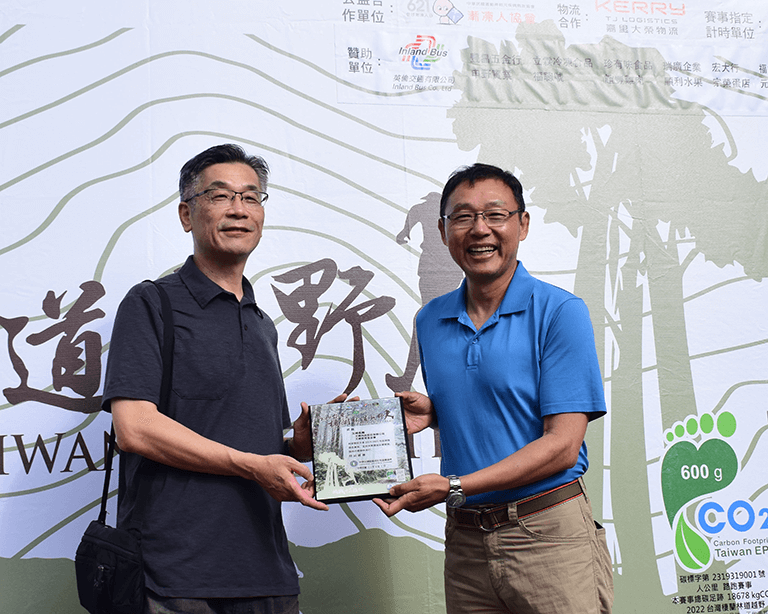
WT Group collaborated with the Chinese Taipei Ultra Marathon Association to promote the initiative of “Implementing Green Sporting Events.” The campaign advocates the adoption of 6R principles – Reduce, Reuse, Recycle, Refuse, Replace, and Remind, to drive energy conservation and carbon reduction practices. The event also applied for a Carbon Reduction Label as a model for organizing sustainable and environmentally friendly sports events.

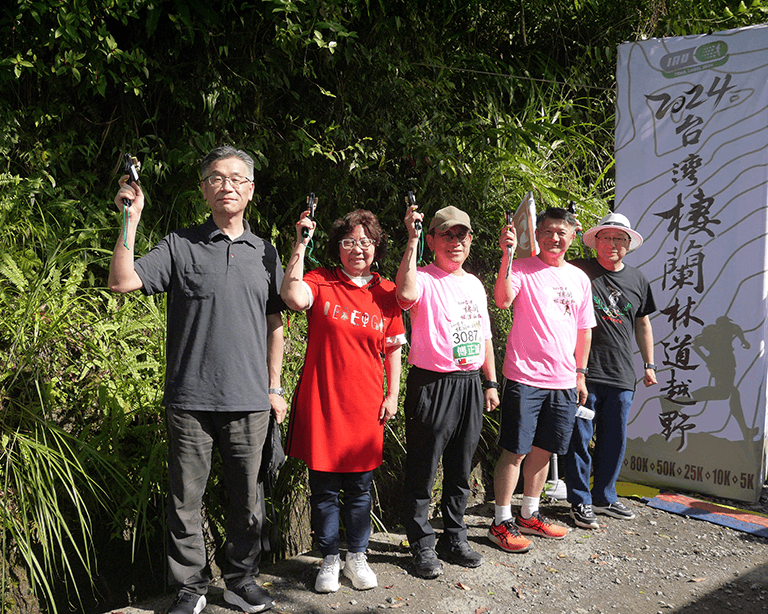
On September 7, 2024, the Cilan Forest Trail Race in Yilan County welcomed nearly 600 participants, including 50 international runners from 14 countries, such as Australia, Hong Kong, Japan, South Korea, and Mongolia. The race featured multiple categories: Ultramarathon distances of 100km, 80km, and 50km, as well as shorter distances of 25km, 10km, and 5km, attracting elite trail runners from across the region.
The Cilan Trail Race first conducted a carbon footprint inventory in 2022 and received both third-party international verification and the first official Carbon Label for a sporting event issued by Taiwan’s Ministry of Environment. In 2024, the race underwent a second carbon footprint assessment to evaluate the impact of revised race logistics and structure, positioning it as a pioneer in actionable green sports events.
The Chinese Taipei Ultra Marathon Association has also played a key role in promoting the “Sports Sustainability Label” issued by the Asia Oceania Ultra Athletics (AOUA). Within a short time, the label has been successfully implemented in both domestic and international events, demonstrating substantial impact. In 2025, the association will continue to promote this systematic, objective, and credible labeling system to the global running community, encouraging more races to join the movement toward sustainable sports.


Response to Climate Change

Climate change is an issue that needs the world to face together, no matter who. As an electronics component distributor, WT has operating sites, partners, collaborators, and vendors all over the world and they are all subject to impacts of climate change. WT’s management understands the potential impact of climate change on its operations and long-term development. Since 2021, it has been promoting relevant management mechanisms and operations, formulating policies and goals, and investing resources in assessment and research on transition plans. In the future, it will continue to track the achievement of goals, and take a more aggressive course of action accordingly.

Climate change governance and architecture

Board of Directors The highest decision-making unit for climate change risk management is responsible for approving relevant risk management measures, tracking the implementation of climate-related risk management, guiding decision-making response plans, and supervising the implementation results and goal achievement of the plans.
Sustainable Development Committee A functional committee established by directors and independent directors regularly reports to the Board of Directors the results of climate change risk and opportunity assessments and guides the implementation of climate risk and opportunity management.
Risk Management Team It is composed of the Accounting Officer and other senior executives of the sustainability management team to coordinate and plan risk management processes such as identification of risks and opportunities, and planning of response plans. Regularly confirm implementation results and integrate climate change risk management reports.
Functional/Business units Regularly conduct assessment and analysis of climate change risks and opportunities, plan and implement response plans, and regularly report implementation results and performance.

Risk management team held four meetings in 2024, inviting each functional/business unit to identify risks and opportunities, assess financial impacts, and discuss response plans. The evaluation and planning results will be incorporated into the operation promotion plan of relevant units and reported to the Board of Directors periodically as reference for governance


Climate change risk and opportunity management process

Climate-related risk assessment has been integrated into the existing risk management mechanism and regularly conducted by the Risk Management Team. WT will continue to follow the climate change risk management process to identify risks and opportunities, evaluate response strategies, and conduct regular internal and external reports.

Climate change risk assessment process

01

Risk item inventory

• Identify possible risks and opportunity projects with reference to TCFD recommendations, relevant domestic and foreign regulations, and expectations of external stakeholders.

02

Key risk analysis

• Analyze and identify key risks based on the risk occurrence time interval, risk occurrence possibility, risk possible location, and degree of risk impact.
• Sort the analysis results in a quantitative manner and select the top three risk and opportunity items as key risks.

03

Financial impact assessment of risks and opportunities

Consider the possibility of risks/opportunities occurring and the extent to which they affect operations, and evaluate the possible financial impact items and extent.

04

Response planning and reporting

For key risks and opportunities, the degree of financial impact is considered, response strategies are evaluated (mitigation, control, transfer, and tolerance), and response plans are planned.
• Reporting is performed in accordance with internal management procedures. Implementation results are regularly disclosed in the sustainability report.


Scenario analysis

As WT does not operate in a sector with intensive or high carbon emissions, the impact of climate change is mainly on its value chain, including the transition pressure on the vendors and customers, and potential physical risks during the transport. In order to understand the impact of these transitional and physical risks on WT’s operations, WT uses scenario analysis to identify risks and opportunities. The assessment results are used for response plan development by relevant units, and for daily operation adjustment. These are also reported on an annual basis to the Sustainable Development Committee and the Board.

Therefore, WT conducts the annual climate change risk assessment based on the SSP5-8.5 scenario from IPCC AR6 Shared Socioeconomic Pathway (SSP) for physical risk, the national target scenario for transitional risk, as well as information such as changes in laws and regulations, physical external environment, and issues of concern for sustainability assessments.


Climate change risks and opportunities

The acquisition of Future Electronics in 2024 has globally expanded our operational scope. WT reviewed the risks and opportunities identified and ranked in 2021 and selected items that may have an impact in the short term (1 to 3 years) based on the implementation benefits. After understanding current implementation status, WT re-evaluated the impact scale and financial impact, and identified three key risks that require continued attention and two major opportunities.

Three major climate change risk factors

Risk Factors Impact Scope Financial Impacts Response Strategies and Solutions
Increased severity and frequency of extreme weather events (typhoons, storms, etc.) Directly on the operations ∙ Decreased asset value
∙ Reduced asset service life
Note: Based on WT’s internal assumptions and calculation factors, the maximum financial impact may be NT$50 million approximately.
Short-term: Understand meteorological information in real time, plan prevention and response measures accordingly for different natural disasters, and continue to maintain full communication with the park management center.
Mid-term: It mainly focuses on transferring and diversifying risks, and purchasing relevant property insurance. The location of important configurations is continuously evaluated and needs to be located in an area less affected by the climate.
Long-term: When choosing to add/relocate an operating location, the assessment items include climate change factors (such as flood prevention, earthquake prevention, etc.).
Extreme climate and high temperatures Directly on the operations ∙ Increased operating costs
Note: Based on WT’s internal assumptions and calculation factors, it may cause a financial impact of NT$14.5 million approximately per year in the future.
Short-term: When purchasing, priority is given to products with energy-saving labels, including office environments, electrical equipment, office machines, etc. Energy-saving facilities are installed, and the energy-saving results of each unit are regularly reviewed. Continue to promote energy conservation and various activities, and integrate the concepts into the habits of all colleagues, with the aim of reducing energy dependence.
Mid-term: Continuously review whether the replacement plan is in line with the latest trends to ensure that the energy efficiency of the relevant equipment used meets expectations.
Long-term: Establish a stable energy supply strategy, including seeking alternative energy and developing renewable energy.
Extreme weather events impacting supply chain logistics Directly on the operations, vendors, customers ∙ Increased cost of capital
Note: Based on WT’s internal assumptions and calculation factors, it may cause a financial impact of NT$500,000 approximately per day.
Strengthen communication with customers, including exchanging information on the impacts of climate change, to reduce the impact of the effect on supply chain logistics.

Note: Short-term 1 to 3 years, medium-term 3 to 5 years, and long-term over 5 years

 
Two major climate change opportunities factors

Opportunity Factors Financial Impacts Response Strategies and Solutions
Reduced capital acquisition cost ∙ Reduced operating costs Continue to pay attention to the sustainability indicators related to the organization and the performance of the sustainability indicators related to the organization. Actively communicate green financing conditions with financial institutions. By the end of 2024, the Company has reached 5 green financing interest rate agreements.
Develop/expand low-carbon products or services ∙ Increased demand for products leads to increased revenue ∙ Short-term: Plan product application and category analysis work, and define low-carbon products.
∙ Mid-term: Continue to track the technology application capabilities of the vendor and improve the support capabilities for the vendor’s low-carbon products.
∙ Long-term: Actively market low-carbon products to customers and increase the sales proportion of low-carbon products.


Major indicators and goals for climate change

In response to international trends and Taiwan’s 2050 net-zero goal, WT set climate change indicators and goals in three aspects: governance and strategy, operations, and GHG reduction.

Aspect Indicator Short-term Mid-term Long-term
Governance and strategy Linking Executive Compensation to ESG Performance The remuneration of directors and managers is determined and reviewed in accordance with the Procedures for Remuneration of Directors and Functional Committee Members and the Procedures for Remuneration for Managers as necessary to strike a balance between sustainable management and risk control. In 2024, we established an Executive Compensation and Clawback Policy, incorporating environmental and social performance metrics, each accounting for 10% of the evaluation criteria.
Internal carbon pricing Implementation plans are made to evaluate and roll out internal carbon prices.
Implementation of climate change risk management Risks and opportunities are assessed, analyzed and reported every year.
Operation Asset insurance rate 20% 40% 100%
Proportion of energy-saving lights and green-labeled energy-saving electrical appliances 50% Lights in Taipei HQ are 100% LED.
Electrical appliances are 80% green energy-saving.
Electrical appliances are 100% green energy-saving.
Customer demand forecast ∙ Order volume for the next three months are updated monthly.
∙ Delivery schedules are updated monthly.
∙ Contracts are amended to incorporate climate exclusion clause.
   
Reduced capital cost ∙ ESG credit line proportion is increased year by year, achieving 10% in stage one.
∙ Mid-term financing is linked to ESG indicators.
Financial institutions are engaged to formulate ESG indicators suitable for the distribution sector, and further expand the ESG credit line. Relevant ESG indicators are included in WT’s sustainable target management.
Proportion of revenue involved in sustainable economic activities ∙ All suppliers provide statement of compliance with the latest regulations on the restriction of hazardous substances.
∙ Green energy, energy storage, and low-carbon transportation related applications are studied and designed.
∙ Suppliers are continuously required to comply with the latest environmental laws and regulations.
∙ System solutions are offered for green energy, energy storage, and low-carbon transportation related applications.
Revenue portion involved in sustainable economic activities is 20% or more.
GHG emissions GHG inventory Inventory of all operating sites are developed by 2025. Inventory of all operating sites are verified by 2027.  
Total emissions Down by 3%-5% every year compared with previous year Scope 1 and 2 emissions down by 50% relative to 2022 by 2035 Net zero carbon emission by 2050

Environmental Management

Environment-oriented improvement timeline

2024

∙ Shanghai office rooftop solar power generation system activated.

∙ First green electricity purchase in Taiwan.

∙ Provided monthly electric vehicle charging subsidies to employees in Taiwan.

∙ Committed to net-zero by 2050.

∙ Initiated the implementation of AutoStore automated warehousing across various warehouses.

2023

 100% GHG inventory coverage First purchase of renewable energy certificates

2022

∙ Expanded coverage of greenhouse gas inventory to more operational sites

2021

∙ Awarded Excellent Enterprise of Green Consumption and Environmental Protection Volunteer by New Taipei City

2018

Began to conduct organizational GHG inventory and have it verified by a third party

2015

  
∙ Taiwan and Hong Kong Logistics Centers were certified ISO 14001: Environmental Management Systems (EMS)

2012

  ∙ Began to replace T5 lights with LED ones

Elevating our carbon reduction standards in response to the worldwide trend of energy conservation and emission reduction.

WT has been conducting a voluntary GHG inventory since 2018. In 2024, the group completed a comprehensive GHG inventory covering all operational sites of its subsidiaries under the consolidated financial statements, achieving 100% inventory coverage. Third-party verification was also conducted for all operating locations of WT’s individual company and its Taiwan subsidiaries included in the consolidated statements, with a 6% verification coverage. We aims to achieve 100% external verification by 2027 at the latest.

Localization of general affairs procurement: 99.4% local sourcing achieved in 2024

Considering customer needs and its role as an agent for globally renowned IC technology manufacturers (referred to as original suppliers), WT’s local procurement management primarily focuses on general affairs procurement items not related to agency products. In 2024, WT’s Taiwan headquarters achieved a 99.4% local sourcing rate from domestic suppliers. This statistic covers procurement expenses across administrative and general affairs, IT equipment, and logistics center purchases.

Proportion of local procurement, 2020-2024

 
2020
Proportion of local procurement: 99.8%
Proportion of non-local procurement: 0.2%
 
2021
Proportion of local procurement: 96.8%
Proportion of non-local procurement: 3.2%
 
2022
Proportion of local procurement: 98.3%
Proportion of non-local procurement: 1.7%
 
2023
Proportion of local procurement: 100%
Proportion of non-local procurement: 0%
 
2024
Proportion of local procurement: 99.4%
Proportion of non-local procurement: 0.6%
 

Proportion of local procurement


Proportion of non-local procurement


Note:The 2024 data accounts only for general affairs procurement at WT’s Taiwan headquarters. The local suppliers in Taiwan refers to companies legally registered in Taiwan. As WT has not yet established a data collection mechanism for overseas sites, efforts are currently underway to develop an information integration and consolidation system. We plans to disclose local procurement data for other operational locations as the system is implemented.

Prioritizing green procurement: NT$24.76 million in 2024

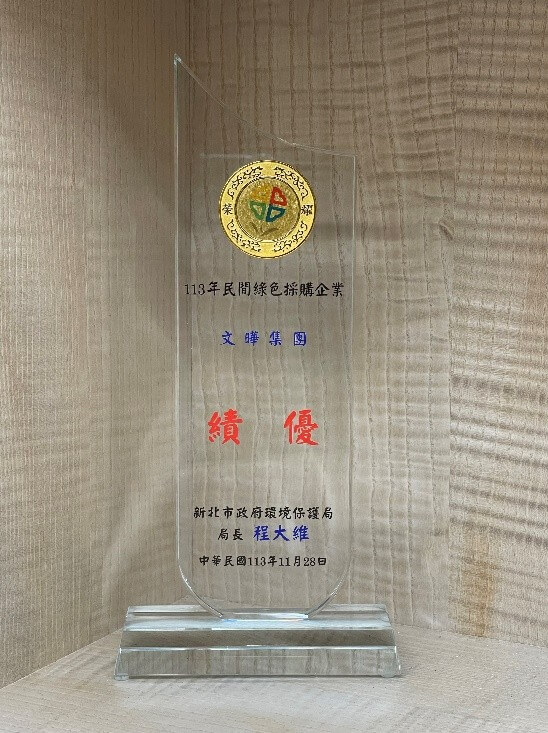
In our general affairs procurement, WT adheres to a policy of giving priority to green-labeled products. We have participated in the New Taipei City Environmental Protection Department’s initiative to promote green procurement among private enterprises, and have received the Green Consumption Outstanding Enterprise award for five consecutive years.

In 2024, the total amount declared for green procurement in Taiwan reached NT$14.28 million. In China and other overseas regions, we procured eco-labeled laptops and servers totaling NT$10.48 million. Moving forward, WT will continue to prioritize the selection of recyclable, low-pollution, and resource-efficient green products, reinforcing our commitment to sustainable consumption.

Environmental management spending has been increased over the years

WT has been voluntarily developing GHG inventory for many years. In addition to third party verification, the inventory has been extended to include more operating sites over the years for a more comprehensive scope and a more reliable dataset. Additional environmental management training sessions are also conducted to enhance everyone’s sustainability awareness. In 2024, the Taiwan headquarters spent NT$4.02 million on related management systems, training and activities. See below for courses held in 2024.

Course title Duration (in hours) Attendance (in persons)
【Major Policies】 Awareness Training on ESG– Awareness Training on ESG  1 1103
A Global Trend on AI Governance 3 75
“Policy Interpretation on Sustainability Information Disclosure” and Key Topics in Internal Control and Internal Audit Seminar 6 1
“A Low-Carbon Future: Energy Efficiency and Emerging Energy Industry – Review and Outlook” Online Seminar 6 1
Responsible Business Alliance (RBA) Code of Conduct 7.0 0.5 9
 
ESG】What is a SASB Standard?  e-Learning Programs 4
ESGCan the world rely on carbon pricing to cut carbon emissions? Analyzing the past and present of carbon tax and carbon trading 1
ESG What you must know about the EU Carbon Border Adjustment Mechanism (CBAM) 2
ESG Do companies implement TCFD? 2
ESG Introduction to TCFD and climate-related financial disclosure practices in Taiwan 2
ESG ESG Initiative: Guided reading event for “The Carbon Almanac: It’s Not Too Late” 1

Environmental Spending (in NTD 10,000)

257
2020
153
2021
323
2022
271
2023
402
2024

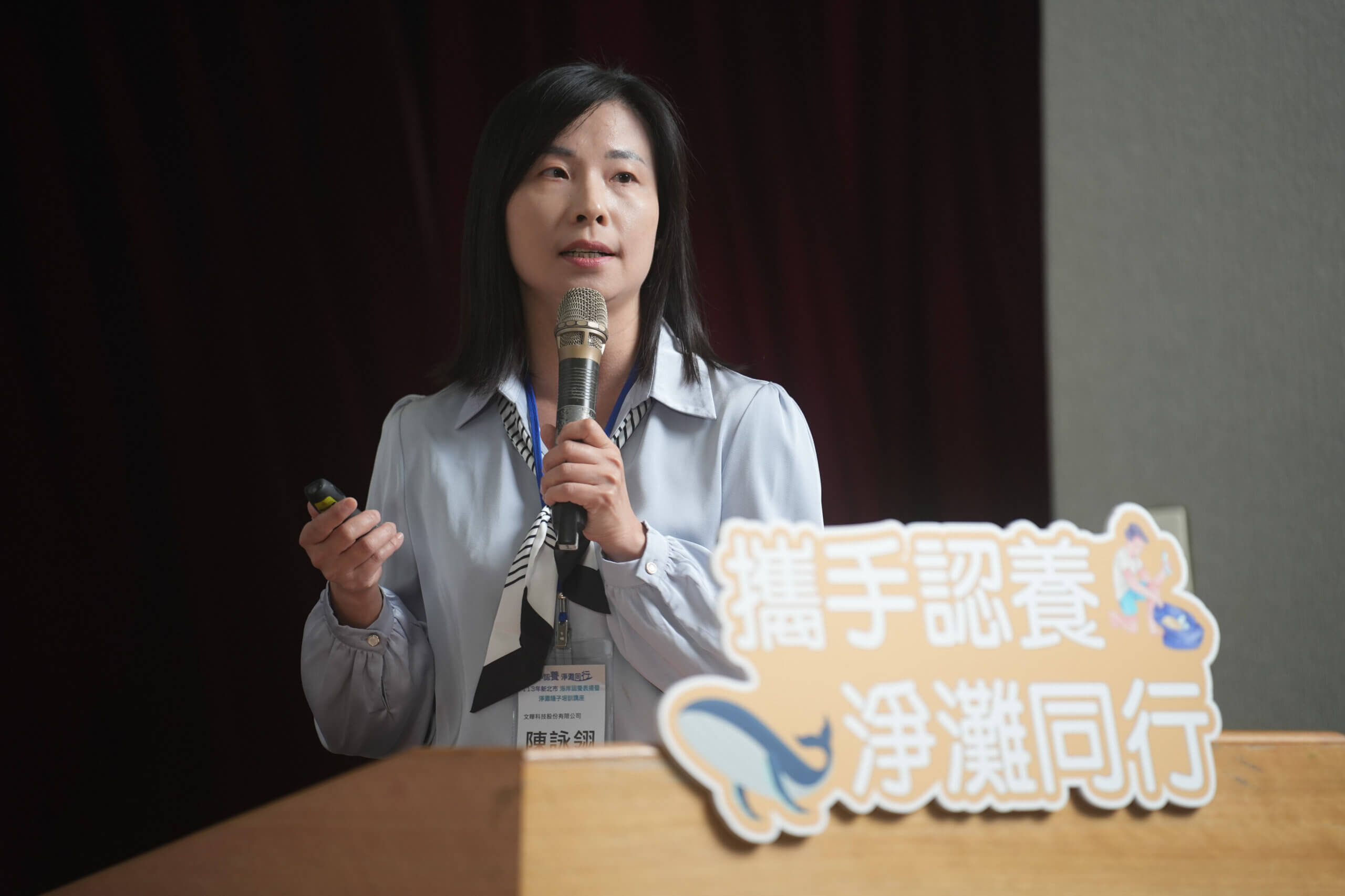
Beach cleanup task force: Advancing marine conservation

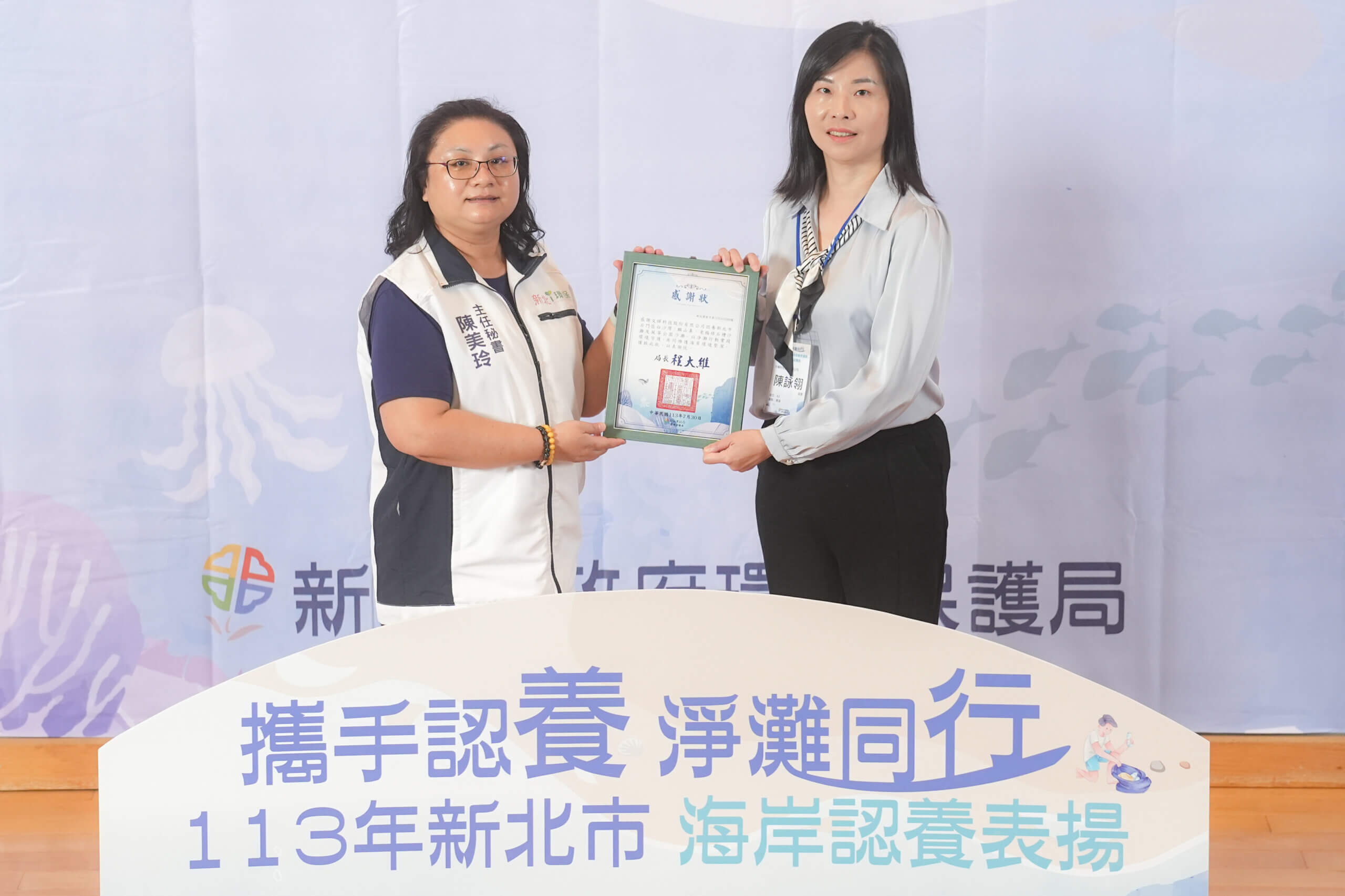
WT remains committed to environmental initiatives within our communities, including urban greening, ecological preservation, resource recycling, and the circular use of second-hand goods. In 2024, we adopted several beaches along Shimen Baishawan, Laomei Green Reef, Kite Park Beach, and Zhongjiao Sa-Chung Wan of the North Coast of New Taipei City, organizing monthly cleanup events and encouraging employee participation.

These cleanups served not only as environmental actions but also as educational opportunities, fostering engagement and raising awareness about waste management. Through active involvement, employees were reminded of the importance of proper waste sorting and refraining from littering in both workplace and domestic settings.

A particularly impactful experience occurred following a typhoon, when beaches were strewn with driftwood, styrofoam, large-scale marine debris, and the remains of marine life entangled in waste. These scenes powerfully illustrated the widespread harm of pollution, not only to human environments but also to the ecosystems on which other species depend.

The primary purpose of our beach cleanup initiative extends beyond the physical act of collecting trash. It aims to instill a deeper understanding of resource circularity, the urgency of reducing waste at the source, and the shared responsibility we bear in protecting our environment.

Over the course of the year, 284 participants contributed to the cleanup efforts, collectively removing 1,348.9 kilograms of marine debris.


Green Logistics

As logistics operations is its most important operational activity besides integrated product sales and services, WT implements the low-carbon internal logistics operation strategy through four major logistics operation improvements. In addition, with regard to the transportation carbon reduction emissions strategy, it has also begun to evaluate the feasibility of green transportation.Starting from 2024, we will integrate and analyze data from Future Electronics’ logistics centers across Asia, Americas, and Europe.

Energy-efficient and carbon-lean hardware

Shortest
transportation route

Digitized warehouse management

Packaging recycling

Green Logistics


Hong Kong Logistics Center Electricity Saving Percentage (Base Year: 2021)
100%
 
2021
80%
 
2022
68%
 
2023
75%
 
2024

Updating warehouse equipment to improve energy efficiency

As 3C products must be stored in a constant temperature and humidity environment to maintain their quality and performance, a 3C product warehouse must be equipped with appliances such as air conditioners, dehumidifiers, etc. WT continues to introduce and connect intelligent temperature and humidity monitors to AC controllers to reduce energy consumption.

In May 2021, the Hong Kong Logistics Center was relocated and opted for a chiller plant instead of air conditioners in the new facilities. As of 2024, its electricity consumption was reduced by 24.5% relative to 2021. In May 2023, the Singapore Logistics Center adopted the concept of dark warehouse and automated the operations. Lighting is no longer required, as human input is normally not required in the storage area. Its total electricity consumption in 2024 was already 29.58% lower than that of the same period in 2022

Introducing advanced electronic systems for comprehensive paperless inventory management

WT has 11 logistics centers, located in Taiwan, Hong Kong, Shenzhen, Singapore, South Korea, United States and Germany. When a purchase order is placed, the shortest footprint across the supply chain as well as the respective demand and inventory of these locations are taken into account by the system to determine and designate a logistic center for the vendors to ship to.

An advanced logistics system has been deployed to all the logistics centers to achieve paperless electronic operations, while handheld devices are used to scan product and storage placement barcodes for all warehouse handling including receiving, shipment, and relocation. Accounting and location is updated in real-time by the system, replacing the significant amount of paperwork that it used to involve.

Receiving management Warehousing management Shipping management
∙ When a purchase order is placed, the shipment is set to be received by the warehouse that is the closest to the scheduled delivery destination
∙ The shipment and logistics information from the vendo is interfaced to the freight tracking system to keep an up-to-date track on the shipment.
∙ After the vendor ships out the PO is automatically interfaced to the warehouse receiving system (status “pending”) to promote paperless operations.
∙ The receiving procedures are all performed with PDAs scanning barcodes for the material number, quantityand manufacturing-related information.
∙ A logistic system was introduced to process all warehousing management with electronic procedures. Upon slotting, sorting, relocation, product barcodes are scanned with PDAs to update inventory record on the system.
∙ For inventory taking, the system generates an electronic inventory.After the product barcodes are scanned and quantities are entered into PDAs against the list, the system will generate an inventory result report in real time.
∙ Upon acceptance of a shipment order, the system automatically picks the goods according to the first-in-first-out principle.Priority is also given to shipping in the original carton to reduce the use of packaging materials.
∙ For an order is less than the quantity of one original container, the system automatically selects the most suitable carton size for the quantity to reduce the use of filling materials. The original carton is recycled and reused for another shipment order that fits.
Reduced paper consumption for receiving and shipping procedures at logistic centers, 2020-2024

An average of about 1.04 million sheets of A4-size paper saved every year

2024


1,098,541
2023


900,671
2022


1,092,211
2021


923,922
2020


1,055,675
 

Taiwan


Hong Kong


China


Singapore


South Korea

Note: No statistics for Singapore and South Korea until 2022

Largely cutting paper use by shipment consolidation and electronic procedures

In addition to requiring vendors to ship goods to designated logistics centers, WT also works with customers to consolidate purchase orders for shipment whenever possible to minimize transportation trips and carbon mileage. In 2023, the merger with Future Electronics, had approximately 440,000 shipment orders and around 190,000 delivery notes. Through shipment consolidation, the number of delivery trips was reduced by 56.65%. In 2024, including Future Electronic, the total number of shipment orders reached around 2.6 million. After order consolidation the number of shipments reduced by nearly 1.39 million, or 53.32%. Future Electronics’ customer orders are typically small in quantity and diverse in variety, with most deliveries made via express couriers. Starting in 2025, from Singapore, WT and Future Electronics will integrate their logistics providers and delivery methods. This will allow shipments to the same customer to be consolidated, further reducing transportation frequency and lowering emissions.

Reduced shipment trips and proportion due to consolidation in 2024
 
Shipping trips
 
Proportion


57,050
 
203,336
 
11,002
 
20,726
 
3,353
 
1,093,771
 
1,389,238


48.86%
66.26%
27.33%
60.35%
80.27%
52.01%
53.32%
Taiwan
Hong Kong
Shenzhen
Singapore
South Korea
Future Electronics
Total

Buying less new cartons and filling materials by reusing packaging cartons

Through the integrated management of sales orders and purchase orders, some received products can be shipped out in full boxes. They will be put into storage in their original packaging without unpacking. No waste will be generated. If repackaging is necessary, the removed cartons and all the fillers within will be collected upon receiving process. The cartons will be classified as “eco-friendly cartons” for reuse. For shipment packaging, recycled cartons will be used whenever possible to reduce the use of new cartons. The fillers used to protect the products in the cartons are made of bio-degradable materials. The protective fillers used inside cartons are made from eco-friendly, biodegradable materials. The selected filling materials comply with the latest regulations from the Ministry of Environment, utilizing HDPE (High-Density Polyethylene) and excluding PVC (Polyvinyl Chloride). They are certified under the Global Recycled Standard (GRS 4.0) and meet the Environmental Protection Administration’s requirement of containing at least 25% recycled content.

In 2020, Taiwan and Hong Kong began to keep track of the amount of fillers used (in meters). Starting from 2024, with the inclusion of the Future Electronics logistics center, an average of 0.92 meters of filler material has been used per carton. This is mainly due to Future Electronics’ receiving process, where all original cartons are removed upon receipt and products are repacked for outbound shipments, requiring additional filler material to protect the items.

Filling material usage per carton

(in meters/carton)

2024
0.92
2023
0.21
2022
0.19
2021
0.23
2020
0.37

Note: Only the usage at the logistics centers in Taiwan, Hong Kong, and Future Electronics is included in the statistics, as the logistics centers in Singapore and Korea receive full cartons and ship them directly to a single customer without the need for unpacking or repacking.

WT continues to cut down on packaging materials with efforts including using paper pallets whenever possible for loading products in warehouses and shipments, reducing the usage of fillers, and always using renewable packaging materials for logistics operations. Newly purchased cartons also adopt the principle of minimal printing, with only stacking and transportation precautions marked and no additional graphic or text printed. (Based on Carbon Footprint Information Platform, Corrugated cardboard (AB flute) has an emission factor of 1.30E+0 kgCO₂e per kilogram and reduced CO2 emission by 1,543 tonnes). After being integrated into the Future Electronics in 2024, the nature of its orders (small quantities with high variety) combined with the highly automated warehouse systems in the Americas and Europe, led to a shift toward using new cartons for picking and packing based on order quantity. As a result, the use of recycled cartons or direct shipment in original cartons decreased by 29.82% compared to 2023. The Future Electronics Singapore logistics center plans to implement the WT EWM system in the second quarter of 2025, which is expected to optimize the ratio of recycled and original carton shipments.

Proportion of new carton usage, 2020-2024
Increase 29.82% in 2024 due to Future Electronics included
2024
 
57.27%
2023
 
27.45%
2022
 
23.12%
2021
 
24.26%
2020
 
30.17%


Sustainable Supply Chain

To ensure a safe working environment throughout WT’s supply chain, uphold respect and dignity for employees, promote environmental protection in operations, and maintain ethical management practices, we have established a Supplier Code of Conduct.This Code outlines expectations for suppliers in five key areas: labor and human rights, health and safety, environmental protection, ethics, and management systems.Suppliers are required to comply with both this Code and all applicable laws and regulations in the countries and regions where they operate.

Supplier Code of Conduct

A
Labor and Human rights: Vendors shall, in accordance with laws and regulations, commiting to uphold human rights and dignity of laborers, and shall not employ child labor, discriminate, harass, impose corporal punishment, or allow excessive overtime work.
B
Health and safety: Vendors should provide a safe and health management systems. Vendors should also understand that employee feedback, education and training are crucial to identifying and solving health and safety problems in the workplace.
C
Environmental protection: Vendors shall abide by local laws and regulations, mitigate the adverse impact on the environment as a principle, and reduce resource consumption and pollution discharge.
D
Ethics: Vendors shall adhere to the highest ethical standards, including: ethical operation, anticorruption, imformation disclosure, intellectual property, fair trade, privacy, etc.
E
Management: Vendors management shall establish a management system of which the scope is relevant to the content of this Code.


Carefully vetting and partnering with like-minded suppliers

WT aims for long-term partnerships with General Affairs suppliers who share our core values. To this end, our management has established a “General Affairs Supplier Code of Conduct” for these suppliers. All General Affairs suppliers are required to sign the “Supplier Corporate Social Responsibility Commitment Letter” and complete an online “Supplier Self-Assessment Form.” Our procurement team evaluates the results of these self-assessments to identify potential risks in areas such as human rights, labor practices, consumer protection, ethical business conduct, environmental protection, and health and safety. We ensure that 100% of new GA suppliers are screened and selected based on environmental and social standards. In addition, we are committed to strengthening sustainability awareness among our GA suppliers to prevent major deficiencies or legal violations.

In 2024, WT Group has completed the signing of Corporate Social Responsibility Commitment Letters with existing General Affairs suppliers in Taiwan and China, achieving a 100% signing rate. Following the merger of Future Electronics into the group, the overall signing rate for target General Affairs suppliers across the entire group is 33.9%. Going forward, we will continue to integrate global General Affairs suppliers into a unified management system, strengthening our commitment and oversight on environmental, labor, and human rights issues to ensure the supply chain complies with the group’s responsible procurement policy.

In alignment with global environmental protection trends, WT revised the General Affairs Supplier Code of Conduct in 2024. New environmental requirements were added to ensure that suppliers comply with international, national, and local biodiversity regulations when conducting their operations and business activities. These requirements include avoiding deforestation and preventing harm to endangered or protected species, while also supporting forest and land conservation.

To maintain procurement quality, annual assessments are conducted for General Affairs suppliers with annual transaction amounts exceeding NT$1 million or with more than 12 transactions per year. The assessment scope includes supplier performance in delivery quality, delivery timeliness, service capability, ESG implementation, environmental protection, and occupational health and safety.

Assessment results are categorized into four levels: A, B, C, and D, we also track and facilitate improvements for suppliers rated C and D. In 2023, two suppliers received a C rating; one was replaced in 2024, while the other improved to a B rating after guidance and assistance, thus maintaining our partnership.

In 2024, the qualification rate (C-level and above) for suppliers in Taiwan and China reached 100%, with Class A suppliers accounting for 80.0%. Four suppliers received a C rating; while we provide guidance and support for improvement, we are also actively seeking alternative suppliers to enhance supply chain resilience and maintain supply levels and quality standards. We plan to integrate these assessment guidelines into our overseas operational sites in the future.

Due to the expanded scope of operations in 2024, the assessment of General Affairs suppliers this year still focused on WT’s existing suppliers, with an assessment rate of 100%. After the inclusion of Future Electronics, the overall assessment rate for target General Affairs suppliers across the entire group is 33.9%. Going forward, we will gradually expand the scope of assessments as planned and continue to improve the assessment processes and indicators to strengthen the sustainable risk management of the global supply chain.

Supplier Assessment Standards

A
Delivery Quality: Assesses whether the supplier’s goods meet quality and specification standards, and if product packaging is intact.
B
Delivery Timeliness and Service: Able to deliver on time or earlier according to company needs, quality of after-sales service and technical service.
C
ESG Implementation: Verifies whether the supplier has published corporate social responsibility-related reports and if they have made declarations or commitments regarding relevant issues.
D
Environmental Protection: Confirms the supplier’s commitment to environmental protection, including the implementation of environmental and energy-saving management measures, effective promotion of environmental sustainability, and ensuring that their operations, products, and services do not cause significant negative environmental impacts or violate environmental regulations.
E
Occupational Health and Safety: Ensures that the supplier’s employees and working environment comply with labor standards laws and related labor regulations.

Supplier Evaluation Overview

Number of suppliers evaluated
128
 
2023
115
 
2024

Average supplier evaluation score
84.07
 
2023
84.8
 
2024

Percentage of A-grade suppliers
79.7%
 
2023
80.0%
 
2024
Grade Number of Suppliers Subsequent Management Measures
A (Above 80) 92 Priority procurement
B (70~79) 19 Maintain normal
C (60~69) 4 Reduced procurement. Procurement unit notifies suppliers of evaluation results; suppliers make improvements based on evaluation results. If alternative suppliers are available, procurement unit should reduce purchasing as appropriate.
D (Below 59) 0 Suppliers should provide written improvement strategies with a deadline for improvement. If requirements still cannot be met after review according to “Supplier Audit Improvement Notice”, qualified supplier status may be canceled.

General affairs supplier meeting: Sharing experiences and fostering growth with partners

To promote the exchange of sustainability knowledge and practices across our supply chain, WT held a General Affairs Supplier Meeting in Taiwan in 2024. The event focused on three core themes: occupational health and safety, greenhouse gas (GHG) emissions, and green procurement, aiming to promote sustainability values among general affairs suppliers. Key topics included the importance of occupational accident prevention, reinforced through real-world incident case studies and an overview of relevant occupational safety regulations; an introduction to Taiwan’s GHG-related regulations and practical procedures for GHG inventory; WT’s energy-saving and carbon reduction strategies, along with short-, medium-, and long-term targets; and the standards used to assess suppliers’ sustainability performance during the procurement process. Through this educational initiative, WT and our suppliers jointly enhanced the quality of green procurement and enabled suppliers to better align their practices with future sustainability goals. The supplier meeting will continue to be held annually, with plans to extend the initiative to other overseas sites, maximizing the impact of sustainable development across the supply chain through top-down collaboration.


Continuous monitoring of Environmental and Social management by major suppliers

WT is committed to promoting sustainable development in the supply chain. We encourage our major suppliers to provide high-quality products and services while complying with national regulations and policies. They must ensure that their products and manufacturing processes adhere to environmental and social responsibility standards. Suppliers are required to prohibit the use of hazardous substances (such as those restricted by the EU RoHS directive), ensure that raw materials do not contain conflict minerals, and sign a Conflict-Free Minerals Declaration, In 2024, there were no incidents of non-compliance with health and safety regulations related to products and services.

Additionally, WT encourages suppliers to adopt ISO certifications to enhance quality management. Suppliers are also urged to implement occupational safety measures, labor rights protections, and environmental protection initiatives, working together to establish a responsible and sustainable supply chain.

WT considers suppliers as long-term partners and maintains close communication with them. Through continuous engagement, we promote the implementation of environmental sustainability, social responsibility, and ethical standards. We also emphasize compliance and corporate responsibility in operations, ensuring that suppliers commit to ethical business practices, human rights principles, and corporate ethics.

Self-regulation of major Supplier Codes of Conduct

The major supplier have established comprehensive business conduct guidelines to ensure compliance with relevant regulations and international standards.

Supplier Environmental Management and International Standard Certifications

WT places strong emphasis on supply chain responsibility. The company has identified and selected 36 key suppliers, which collectively account for over 80% of total revenue. Each year, WT conducts assessments on the status of these vendors’ adherence to the RBA Code of Conduct, chemical substance commitments, and conflict minerals policies, and updates the list of key suppliers at the beginning of each year

The key suppliers have adopted ISO certifications to ensure their operations meet international standards. By implementing strict management systems, they enhance operational efficiency and minimize environmental impact.

As of the end of 2024, key suppliers have achieved the following certifications:

Certification Type Key Suppliers Certified Suppliers Percentage (%)
ISO 14001 Environmental Management System 36 33 92
ISO 9001 Quality Management System 36 35 97

• ISO 14001 Environmental Management System: In the 36 key suppliers, 33 have obtained certification, accounting for 92%
• ISO 9001 Quality Management System: In the 36 key suppliers, 35 have obtained certification, accounting for 97%


Employee Rights and Labor Protection

The supplier must comply with local laws to protect employee rights, ensuring:

• Respect for employees’ rights to unionize, engage in collective bargaining, and enjoy freedom of association.
• Establishment of communication channels to safeguard labor rights and prevent forced labor, child labor, or discrimination.


Responsible Business Alliance (RBA) Code of Conduct

WT supports and adheres to the Responsible Business Alliance (RBA) Code of Conduct, striving to improve labor rights, health and safety, and environmental standards to ensure compliance with international and ethical norms.
As of the end of 2024, WT continuously monitors 36 key suppliers, of which 22 are official RBA members, representing 61% and have established comprehensive RBA guidelines.

Indicator Key Suppliers Established RBA Guidelines Percentage (%)
RBA Membership 36 22 61

Additionally, WT actively tracks whether suppliers undergo RBA audits to promote ongoing improvements in labor conditions throughout the supply chain.


Compliance of Agency Products with Global Substance Regulations

1976
TSCA
United States Toxic Substances Control Act

1986
Prop 65
California Proposition 65

2003
EU RoHS
European Union Restriction of Hazardous Substances Directive

2004
EU POPs
European Union Persistent Organic Pollutants Regulation

2007
EU REACH
European Union Registration, Evaluation, Authorisation and Restriction of Chemicals

2016
China RoHS
Administrative Measures for the Restriction of the Use of Hazardous Substances in Electrical and Electronic Product

2023
PFAS
Per- and Polyfluoroalkyl Substances

Chemical Management and Product Compliance

With increasing global emphasis on environmental protection, WT continues to monitor regulatory developments and ensures that suppliers’ agency products fully comply with relevant global substance regulations. We actively track and update compliance measures to meet customer requirements.

When customers request material substance lists for products, WT assists in obtaining relevant documentation from suppliers, such as non-use declarations, product composition reports, and third-party hazardous substance testing reports.

In 2024, all sold products complied with customer chemical management requirements. All of 36 key suppliers publicly declared full compliance with relevant chemical management regulations.

As of the end of 2024, compliance rates key suppliers are as follows:

Regulation Key suppliers Publicly Disclosed Compliance Disclosure Rate (%) Non-Disclosed (Available on Request) Non-Disclosure Rate (%)
EU RoHS 36 24 66.7 12 33.3
REACH 36 23 63.9 13 36.1

• EU RoHS (Restriction of Hazardous Substances Directive): In the 36 key suppliers, 24 have publicly disclosed compliance (66.7%), while 12 have not disclosed, accounting for 33.3%, all key suppliers have provided formal declarations confirming that the materials used in their products comply with major international environmental regulations.
• REACH (Registration, Evaluation, Authorization, and Restriction of Chemicals): In the 36 key suppliers, 23 have publicly disclosed compliance (63.9%), while 13 have not disclosed, accounting for 36.1%, all key suppliers have provided formal declarations confirming that the materials used in their products comply with major international environmental regulations.

Chemical Safety Management Process

01.
Hazardous Substance Management

• EU RoHS
• EU REACH
• EU POPs
• TSCA
• Prop 65
• China RoHS
• PFAS

02.
Collect Supplier Information

• Compliance Documents
Third-Party Test Report
Supplier Self- Declaration

03.
Verify Supplier Documents

• Comply with the Latest Regulations

04.
Full Material Disclosure (FMD)

• Chemical Composition

05.
Continuous Monitoring of Controlled Substances

Conduct Compliance Investigation Annually
Monitor Regulatory Updates and Requirements

Furthermore, WT is actively implementing system-based management. In the future, when creating new product materials, relevant departments will be notified to obtain the necessary material substance lists such as product composition reports and third-party hazardous substance testing reports. This will ensure compliance and improve the efficiency of providing relevant material disclosures.

Inventory for the Management of Regulations Concerning Substances
· European Union Restriction of Hazardous Substances Directive (EU RoHS)
· European Union Registration, Evaluation, Authorisation and Restriction of Chemicals (EU REACH)
· European Union Persistent Organic Pollutants Regulation (EU POPs)
· United States Toxic Substances Control Act (TSCA)
· California Proposition 65 (Prop 65)
· Administrative Measures for the Restriction of the Use of Hazardous Substances in Electrical and Electronic Products (China RoHS)

PFASPFAS (Per- and Polyfluoroalkyl Substances) Management

In 2023, the EU introduced a proposal to ban PFAS, a broad class of synthetic chemicals known for their persistence, long-range transport potential, and bioaccumulation risks. These substances pose significant environmental and health hazards, including water pollution.

In industries such as semiconductors, no viable alternatives currently exist, and immediate production cessation is not feasible. Therefore, a transition period of 13-15 years will be implemented upon enforcement of the regulations.

WT continues to investigate PFAS usage in supplier products and discloses this information to customers, aiming to mitigate environmental and health risks.

Carbon Footprint and Net-Zero Emission Goals

In response to global carbon reduction initiatives, WT is dedicated to carbon footprint assessments, aiming to reduce, capture, and reuse greenhouse gas emissions. The long-term goal is to achieve Net Zero Emissions by 2050, transforming carbon reduction efforts into competitive advantages and steadily implementing sustainability initiatives.


The customer requests products with conflict minerals traceability, 100% sourced from qualified smelters

Conflict Minerals Sourcing and Traceability Mechanisms

Referencing international concerns about conflict minerals originating from regions with human rights issues, and in support of universal humanitarian values in supply chain practices, WT published its Conflict Minerals Policy on the company website in 2023. The policy mandates that all major suppliers comply with the U.S. Securities and Exchange Commission’s (SEC) conflict minerals regulation – Section 1502 of the Dodd-Frank Wall Street Reform and Consumer Protection Act (DFCMA). Vendors are required to fully disclose the sources of conflict minerals used in their manufacturing processes, including gold (Au), tantalum (Ta), tin (Sn), and tungsten (W) – collectively referred to as 3TG – and indicate whether these materials originate from high-risk mines in the Democratic Republic of the Congo (DRC) and neighboring countries.

To ensure conflict-free sourcing, WT regularly reviews major suppliers’ conflict minerals policies and traces the origins of materials in distributed products. The company actively monitors smelter assessment updates published by the Responsible Minerals Initiative (RMI), and requests vendors to submit the latest Conflict Minerals Reporting Template (CMRT), Extended Minerals Reporting Template (EMRT), or Additional Minerals Reporting Template (AMRT), in alignment with customer requirements.

Conflict Minerals Management Process

01.
Conflict Minerals Regulation Management

RMI (Responsible Minerals Initiative)
DFCM (Dodd-Frank Conflict Minerals Act, Dodd-Frank)
OECD(OECD Due Diligence Guidance for Responsible Supply Chains of Minerals)
Conflict Minerals Reporting Template

02.
Collect Supplier Information

CMRT
EMRT

03.
Verify Supplier Documents

Comply with Conflict Minerals Regulations

04.
Regular Review of Public Information

List of Qualified Smelters

As of the end of 2024, the conflict minerals disclosure status of WT’s 36 key suppliers is as follows:

Indicator Key Suppliers Publicly Disclosed Conflict-Free Compliance Compliance Rate (%) Non-Disclosed (Available on Request) Non-Disclosure Rate (%)
Conflict-Free Sourcing Compliance 36 29 80.6 7 19.4

• 29 suppliers (80.6%) publicly disclosed a commitment to the non-use of conflict minerals.
• 7 suppliers (19.4%) did not publicly disclose such information; however, all of them provided formal declarations demonstrating compliance with the RBA Code of Conduct and related standards.


After WT Tracks And Discloses Relevant Information

ROHS
100%
 
66.7% Public Disclosure (24/36)

33.3% Non-Public Disclosure (12/36)

REACH
100%
 
63.9% Public Disclosure (23/36)

36.1% Non-Public Disclosure (13/36)

CONFLICT MINERAL POLICY
100%
 
80.6% Public Disclosure (29/36)

19.4% Non-Public Disclosure (7/36)

Public Disclosure: Disclosed on the supplier’s official website, accessible for viewing and downloading at any time. | Non-Public Disclosure: Request Documents from Supplier.